
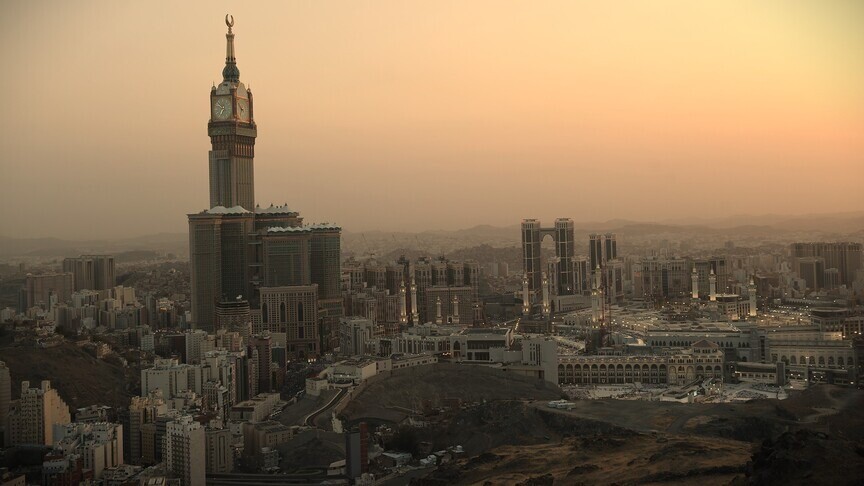
Saudi Arabia has recently reported attempts by Houthi forces to target its holy cities, Mecca and Medina, raising significant concerns among the Arab and Muslim communities globally. These actions have prompted condemnations from various nations and organizations. The Houthis, a Yemeni group that has been embroiled in conflict with a Saudi-led coalition since 2015, have denied many of the accusations, complicating the situation further.
Recent Attempts on Mecca and Medina
Over the last nine years, Saudi Arabia has claimed several Houthi attempts to attack the venerated sites of Mecca and Medina, with two incidents occurring last month. As noted in reports, the latest alleged assaults were directed toward Medina and areas south of Mecca, reminiscent of an earlier incident that transpired in July 2017. Given that Mecca and Medina house the Grand Mosque and the Prophet’s Mosque, attacks on these sites have drawn universal condemnation due to their significance in Islam.
In September 2026, a drone strike attributed to the Houthis targeted a power station in Medina. Saudi coalition spokesman Maj. Gen. Turki al-Maliki stated that the attack, occurring early in the week, caused no substantial damage to the electricity supply serving the Prophet’s Mosque. He labeled this attempt an escalation in the Houthi’s ongoing campaign to undermine the sanctity of the holy sites and vowed that measures would be taken to protect pilgrimage activities.
Another Houthi drone was intercepted by Saudi air defenses on September 16 before it could breach the restricted airspace over Mecca. This was noted to be the second attempt by the Houthis to target the holy city since the 2017 incident. King Salman bin Abdulaziz condemned the Houthi militia for their actions, underscoring the global outcry resulting from such attacks on sacred locations.
Historical Context: The 2017 Incident
The backdrop to these recent events includes the 2017 incident when the Saudi-led coalition announced the interception of a ballistic missile launched by the Houthis toward Mecca. This missile was intercepted over Taif province, with the Saudi Ministry of Foreign Affairs condemning the act as a violation of the city’s sanctity and a blatant attempt to disrupt the Hajj pilgrimage. The repetition of such allegations highlights ongoing tensions between the Houthis and Saudi Arabia.
Houthi Rebuttals
In response to the allegations surrounding the recent drone strikes, the Houthis were initially silent regarding the Medina incident but quickly dismissed the accusation involving the Mecca attempt. Houthi leaders, including Abdul-Malik al-Houthi, rejected Saudi claims, asserting that their military capacities were not aimed at the holy sites but rather at military installations.
Interestingly, Iranian officials have also weighed in on the recent accusations, emphasizing the need to condemn any actions targeting Mecca while labeling the reports of drone interceptions as unverified claims. This stance further complicates the situation, as it highlights the polarizing narratives surrounding the conflict.
Widespread Condemnation from Arab Nations
The alleged Houthi attacks have triggered a strong backlash from numerous Arab and Muslim nations. Virtually every significant player in the region including Türkiye, Qatar, and Egypt, along with international organizations like the Gulf Cooperation Council and the Organization of Islamic Cooperation, issued statements denouncing any acts that threaten Mecca and Medina. These condemnations resonate deeply throughout the Muslim world, highlighting the unity against perceived threats to the sanctity of Islam’s holiest places.
In summary, the ongoing conflict marked by Houthi attacks on sacred Islamic sites continues to evoke strong reactions from numerous stakeholders. The gravity of the situation requires careful navigation, as any threats to Mecca and Medina challenge the spiritual unity of the Muslim community and necessitate collective resistance against extremism.