
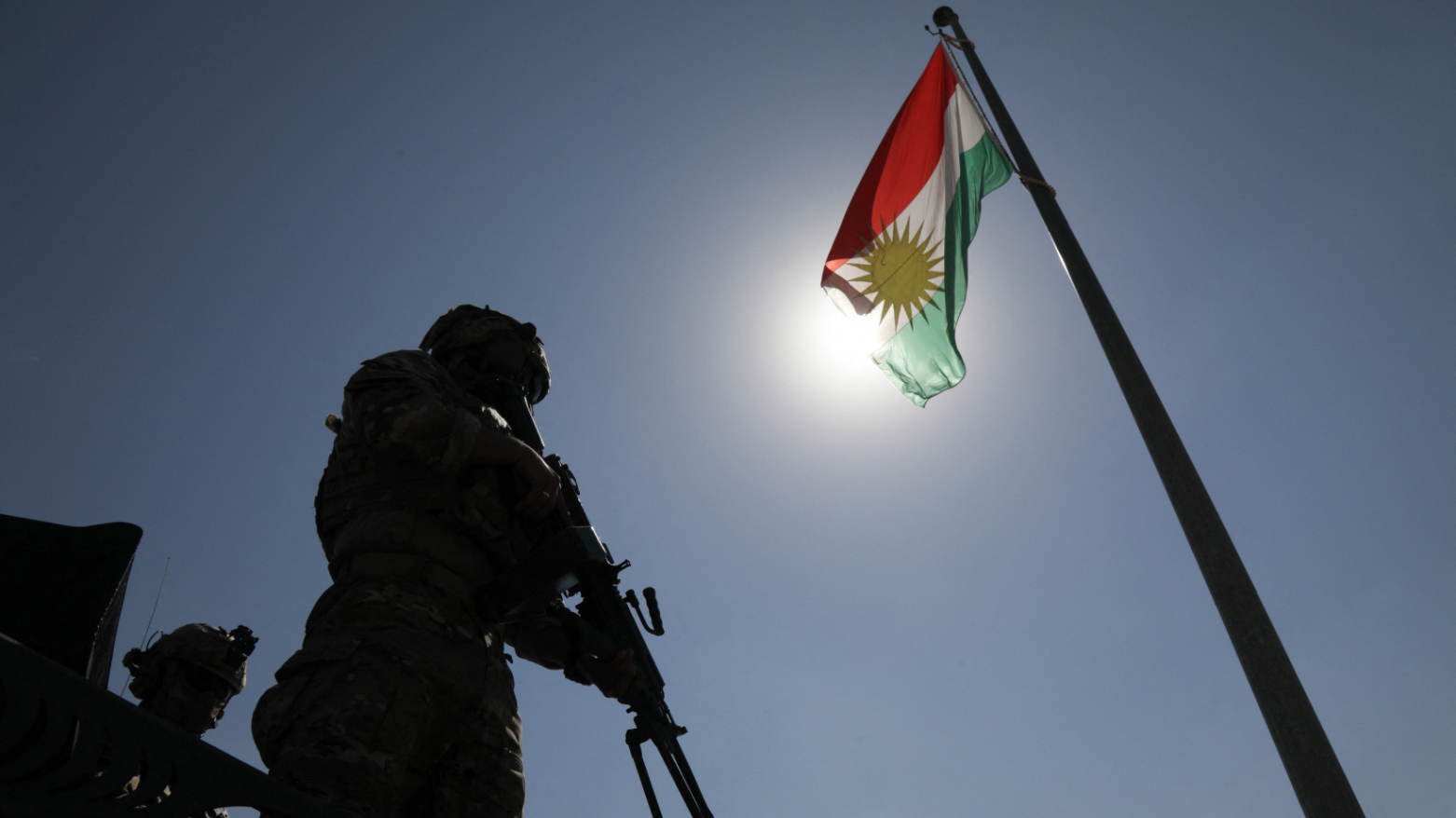
Iraq recently celebrated its inaugural “Sovereignty Day,” marking a significant transition in its national security framework. With the end of the Coalition’s military mission and the withdrawal of foreign forces from Erbil Air Base, Iraqi forces, particularly the Peshmerga in the Kurdistan Region, now bear the primary responsibility for maintaining security. However, the real challenge lies in ensuring that this newfound sovereignty translates into effective defense mechanisms and a unified approach to national security.
The Imperative of Air Defense
As Iraq enters this new phase of sovereignty, establishing a robust air defense system is critical. Current security arrangements must focus on protecting both Iraqi and Kurdistani airspace against threats like missile and drone attacks. This was a key concern expressed by President Nechirvan Barzani and other regional leaders during the Sovereignty Day celebrations. They emphasized that true sovereignty is defined not merely by the absence of foreign troops but by the ability to govern and defend the airspace effectively. The ongoing discussions around securing advanced air defense technologies from allies, including the U.S. and European nations, are crucial to this endeavor.
Closing Security Gaps on the Ground
Another pressing issue is the significant security gaps between Peshmerga and Iraqi federal forces. Spanning approximately 560 kilometers, these areas lack permanent military presence, allowing groups like ISIS to exploit these vulnerabilities. The proposed formation of joint brigades is a step toward addressing these gaps, but some regions remain unguarded. The success of this collaborative effort between the Peshmerga and Iraqi forces is essential for denying ISIS any foothold and restoring stability. Therefore, the post-Coalition security landscape demands enhanced coordination and operational synergy between these two forces.
Establishing State Control over Arms
Sovereignty in Iraq also necessitates a monopoly on armed forces. Prime Minister Ali Faleh al-Zaidi has framed the nation’s path forward around a roadmap for the control of weapons, ensuring all military capabilities fall under state authority. While some armed factions have begun to surrender their weapons, a considerable challenge remains in negotiating the disarmament of other groups. This process is critical to preventing any parallel power structures and establishing a clear rule of law. The Kurdistan Region’s adherence to this framework will be pivotal in defining its governance and security autonomy.
Maintaining International Security Partnerships
Despite the withdrawal of Coalition forces, Iraq and the Kurdistan Region are set to maintain their international security partnerships with countries that have historically supported them. The U.S. and European nations have expressed commitment to continued cooperation in areas such as intelligence sharing, financing, and defense training. This transition from a multinational military presence to robust bilateral relations could serve as an essential pillar for Iraq’s security strategy moving forward. By leveraging these alliances, both Baghdad and Erbil can fortify their capabilities against emerging threats, making it imperative for the Kurdistan Region to play a proactive role in this evolving partnership.
In summary, while Sovereignty Day signifies the end of a military chapter, it simultaneously ushers in a critical period for Iraq and the Kurdistan Region to address profound security challenges. Establishing an effective air-defense system, closing security gaps, asserting state control over armed groups, and nurturing international partnerships will be instrumental in transforming Iraq’s newfound sovereignty into a tangible force for stability and governance. The coming months will be crucial in determining whether Iraq can convert its declaration of sovereignty into comprehensive control over its territory and security.