
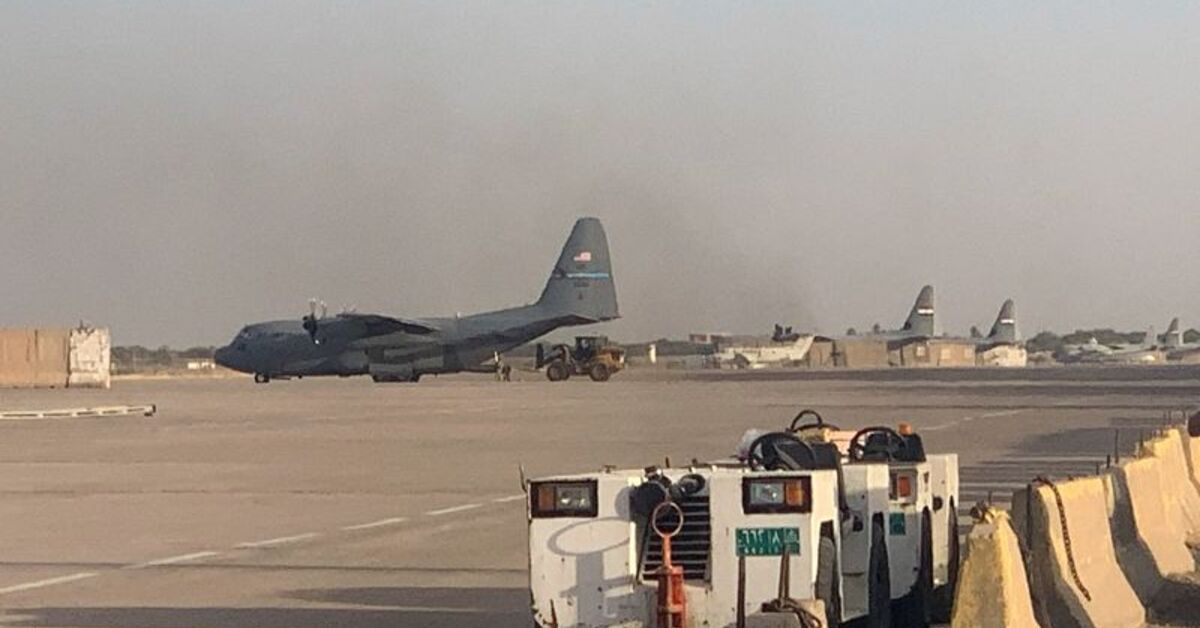
The recent US withdrawal from Iraq has significant implications for the nation’s security landscape. As American forces depart, the responsibility for maintaining order and stability falls squarely on the shoulders of the Iraqi government, while Iran-backed militias continue to operate beyond official oversight. This transition raises crucial questions about Iraq’s future and its ability to manage internal conflicts and foreign influence.
The Shift in Security Responsibility
The exit of US troops marks a pivotal moment for Iraq, as the government must now navigate a complex security environment largely shaped by regional tensions. The power vacuum left by the withdrawal may embolden various factions, particularly Iranian-supported militias, which have historically operated with relative autonomy. These groups often challenge the authority of Iraqi security forces and can pose a serious threat to the stability of the government.
Challenges from Iran-Backed Militias
Iran-backed militias have risen to prominence in Iraq over the past few years, leveraging the chaos created by conflicts such as the war against ISIS. With the US military no longer in the country, these groups may intensify their activities, complicating the government’s ability to assert full control. Their presence not only undermines state authority but also exacerbates sectarian divides, making it increasingly difficult for Iraq to present a unified front.
The Role of Iraqi Security Forces
In the absence of US forces, Iraqi security operations need to be recalibrated for effective internal security. The Iraqi military and police are tasked with countering the threat posed by militias while also restoring faith in national governance. Their effectiveness will depend on training, resources, and political backing—elements that could be strained as the new security dynamics unfold. Building the capabilities of local forces will be essential to ensure a sustainable peace in the country.
International Ramifications
The US withdrawal from Iraq also has broader implications for regional stability. The actions of Iran-backed militias could draw in neighboring countries and escalate tensions across the Middle East. As Iraq grapples with these internal and external pressures, maintaining diplomatic relations with global powers, including the US, will be crucial for navigating the evolving landscape. The international community will be watching closely as Iraq determines its course in a post-US presence era.
The road ahead for Iraq is fraught with challenges, and the nation’s leadership will need to demonstrate resolve and strategic thinking to keep potential conflicts at bay. Ensuring the security of its citizens and maintaining governmental authority in the face of external pressures will require an adept balancing of military, political, and diplomatic efforts. For Iraq, this is not just a moment of transition; it is a critical juncture that will determine the future of the nation and its role within the region.