
Trump’s Commitment to Turkey amid CAATSA Sanctions
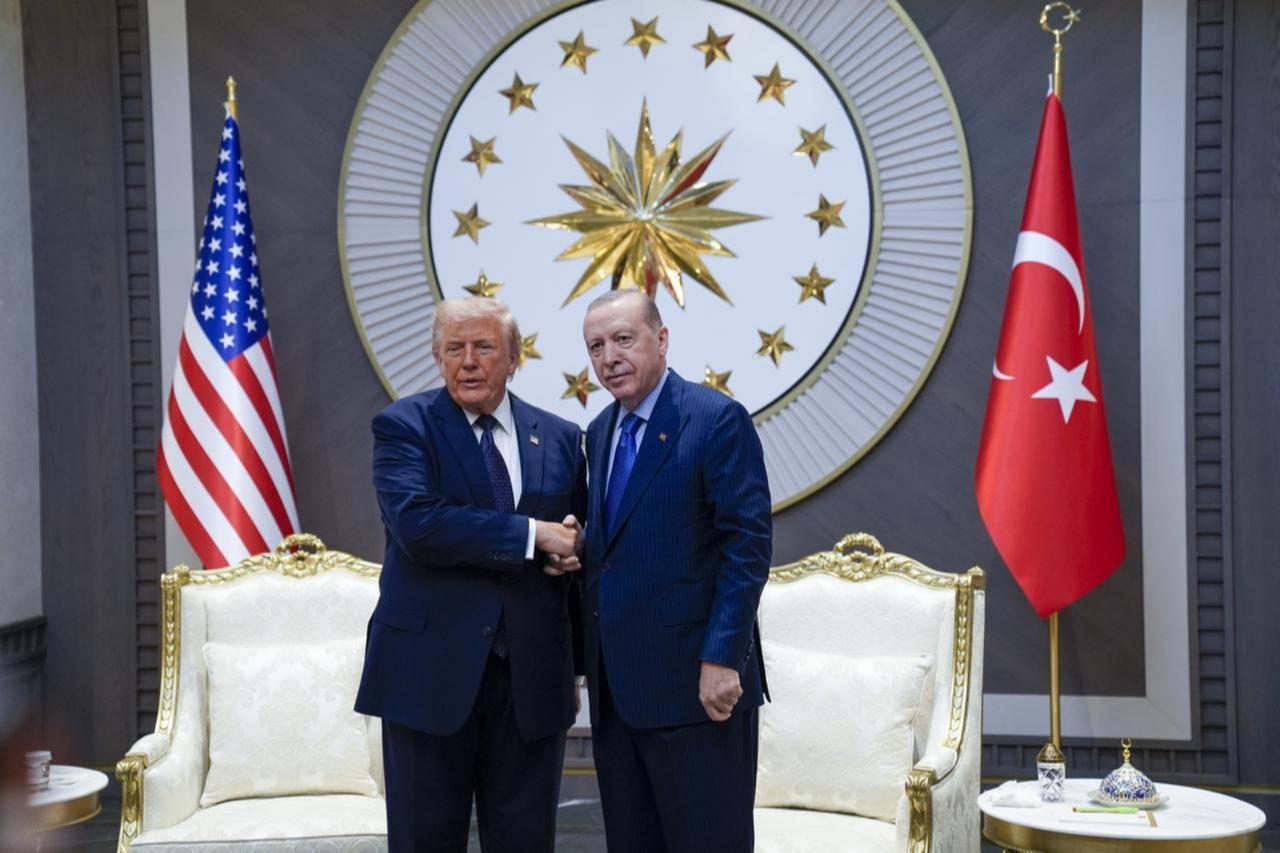
In a recent statement, U.S. President Donald Trump made headlines by expressing his intention to maintain a cordial relationship with Turkish President Recep Tayyip Erdogan. When asked about the ongoing sanctions imposed on Turkey under the Countering America’s Adversaries Through Sanctions Act (CAATSA), Trump emphasized his dedication to making Erdogan “happy.” This sentiment highlights a significant diplomatic relationship between the two nations, particularly given the complexities surrounding U.S. sanctions and military cooperation.
Sanctions and Diplomatic Relations
Trump’s comments come following his earlier support for lifting the CAATSA sanctions during a NATO summit meeting in Ankara. During a press interaction on July 7, he declared, “We’re going to be taking the sanctions off; it’s time.” He reassured that discussions were underway with key U.S. officials, including Secretary of State Marco Rubio and Defense Secretary Pete Hegseth. The ongoing dialogue illustrates the U.S. administration’s effort to reassess its relationship with Turkey amid escalating tensions over military procurement and defense policies.
Turkey has faced significant challenges since purchasing the Russian S-400 missile system in 2019, a transaction that led to U.S. sanctions and Turkey’s removal from the F-35 fighter jet program. The United States argues that integrating the Russian system into its defense architecture poses security risks, complicating Turkey’s aspirations to secure advanced military capabilities. The sanctions, announced in December 2020, targeted Turkey’s defense industry and key officials, straining the bilateral ties that both nations are now seeking to mend.
Prospects for F-35 Program Reinstatement
Trump’s remarks signal a possible thawing of relations, particularly regarding Turkey’s participation in the F-35 program. He hinted at the idea of reinitiating discussions around the sale of F-35 jets to Turkey, stating that the U.S. would “certainly” consider this move. However, the complexities surrounding legal restrictions due to Turkey’s acquisition of the S-400 system remain significant hurdles. The U.S. Congress has set forth specific requirements that would need to be addressed before any potential military sales can be revisited.
Following the recent developments, President Erdogan has urged the U.S. to take decisive action regarding Trump’s support for Turkey’s return to the F-35 program. During an address after the United Nations General Assembly, Erdogan emphasized that tangible steps must follow diplomatic discussions, reinforcing Ankara’s persistent interest in enhancing its air defense capabilities. Meanwhile, U.S. Ambassador to Turkey Tom Barrack indicated that progress on this issue would necessitate time and further negotiations, underscoring the complex nature of international arms agreements.
Future of S-400 Systems and Turkish Defense Collaboration
The future of Turkey’s S-400 systems remains uncertain and is critical to finding a pathway forward in U.S.-Turkey relations. Erdogan has been pressing for an innovative resolution, expressing hopes that Turkey’s defense industry’s needs would be prioritized in bilateral talks. Reports have emerged suggesting the potential transfer of the S-400 systems to a third nation, raising questions about the operational status and ownership of these systems. Russian officials have acknowledged the discussions regarding a third-party transfer, complicating the diplomatic landscape further.
In summary, while Trump’s remarks may signal a willingness to adjust U.S. policy toward Turkey, the road ahead is fraught with challenges, both legally and diplomatically. As both countries aim to strengthen their defense ties and address contentious issues, the outcome will likely depend on the negotiation of complex security dynamics and Turkey’s defense procurement strategies. The evolving relationship will be critical for both nations as they navigate these intricate geopolitical waters.