
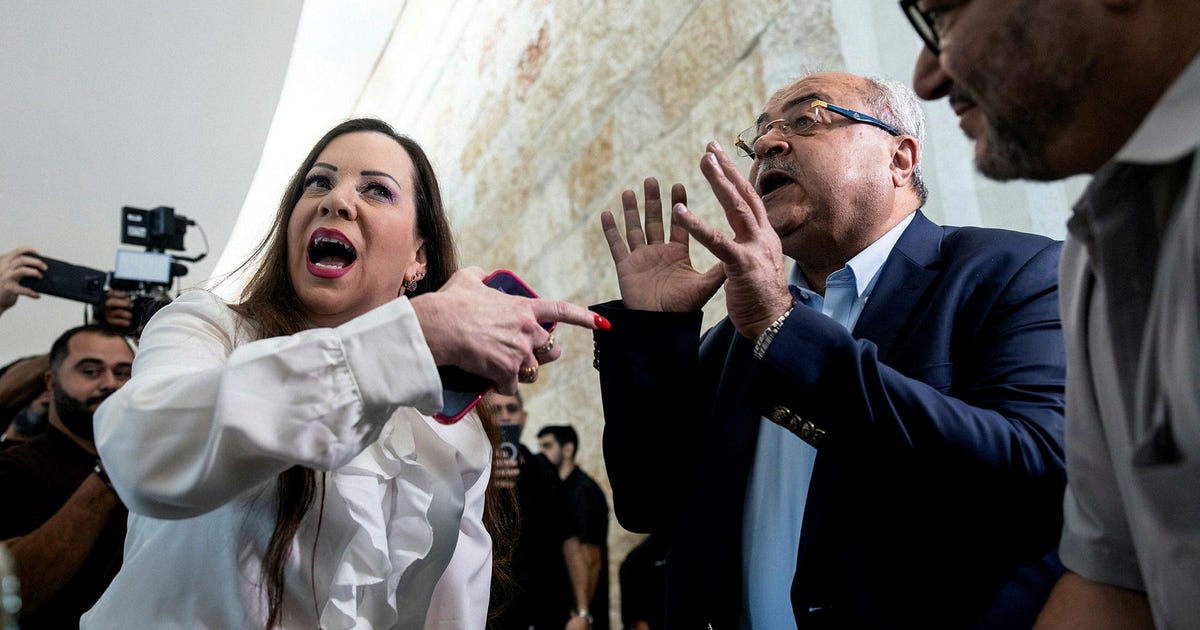
Abu Shehadeh’s remarks have sparked significant scrutiny, with many questioning the motivations behind his statements. The state’s response has been to leverage his comments as a rationale for curtailing his political career. As the Arab electorate prepares to cast their ballots on Election Day, the response will reveal the true ramifications of this decision. This situation has led to a profound message for the Arab community, echoing through the judicial system.
The Implications of Political Statements
Political discourse can often be a double-edged sword, especially in sensitive environments. Statements made by politicians not only reflect their personal views but can also be interpreted in various ways by the public and the media. In Abu Shehadeh’s case, his comments have drawn fire from numerous factions, which now use them to argue against his legitimacy in the political arena. This dynamic complicates the already challenging relationship between Arab politicians and the broader Israeli political landscape. The resulting narrative suggests that certain expressions can risk a politician’s position, significantly impacting their career trajectory.
The Influence of Voter Turnout
The real test of Abu Shehadeh’s impact, however, will emerge on Election Day. Voter turnout is often a solid indicator of public sentiment, particularly within the Arab community. If the turnout is high, it may signal that voters are rallying behind their representatives, regardless of the controversies surrounding individual politicians. Conversely, low turnout could imply discontent or disillusionment with the political process as influenced by the current events. This election will therefore serve as a litmus test, measuring not only the reactions to Abu Shehadeh’s predicament but also indicating broader feelings toward Arab representation in Israeli politics.
A Message to the Arab Community
The judiciary’s role has profound implications for the Arab community. By sending a message regarding Abu Shehadeh, the court reinforces the idea that political expressions carry weighty consequences. Such a stance creates an environment of caution among Arab leaders and representatives, making them think twice before voicing opinions that might diverge from the national narrative. This creates a chilling effect, discouraging open discourse and robust debate that is essential for a dynamic democracy. The ramifications of this situation extend far beyond one individual, signaling how the political landscape can shift based on interpreted statements and public perception.
The Future of Arab Political Representation
The ongoing situation raises crucial questions about the future of Arab political representation in Israel. As external pressures mount on Arab leaders, the potential for a disjointed and fragmented political voice among the Arab electorate increases. This scenario might further complicate efforts to unify various factions and foster a cohesive political strategy. The Arab vote has always played a pivotal role, but the stakes are higher now as politicians navigate a landscape marked by judicial challenges and public sentiment.
In conclusion, the ramifications of Abu Shehadeh’s statements extend well into the political future of the Arab community in Israel. The upcoming election will not just determine individual fates but could redefine the contours of Arab political representation. As the community prepares to respond, the impact of these recent developments will likely resonate through the electoral process, shaping future political interactions and advocacy efforts.