
US Senator Chris Van Hollen recently voiced strong concerns regarding President Donald Trump’s plans to expand military operations in the Middle East. The senator criticizes the administration for allegedly hiding information on service member casualties and pursuing what he describes as an “illegal war of choice” against Iran. As tensions rise, the implications for US foreign policy and military commitments could be significant.
Concerns Over Military Buildup
On social media platform X, Senator Van Hollen emphasized that President Trump is preparing to deploy an additional 10,000 troops to the region. He pointed out that the president has been secretive about the true costs of military engagement, particularly concerning personnel injuries and fatalities. “When Trump says he’s planning on renewing his war next month, believe him. Congress must cut off funding,” the senator stated, underscoring the urgency for legislative action.
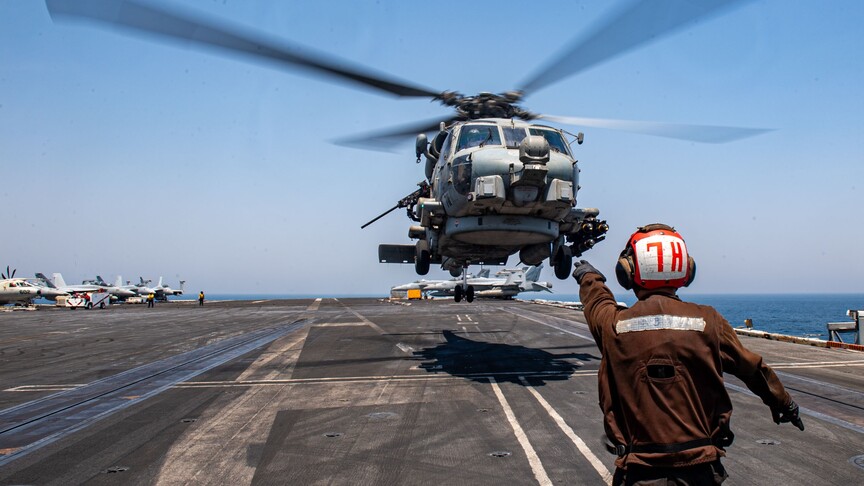
Recent reports have indicated that the Pentagon is making preparations to send a third aircraft carrier strike group, along with more Marine Corps ships, into the Middle East. These deployments are strategically significant and suggest that military escalation could be on the horizon as Trump weighs the option of renewing military strikes against Iran, particularly following the upcoming midterm elections in early November.
Troop Deployments and Their Implications
According to the Wall Street Journal, the anticipated military buildup may result in an influx of about 9,000 to 10,000 additional troops in the region. Such a deployment raises numerous questions about US military objectives and the broader implications for regional stability. As additional ships, fighter jets, Marines, and sailors are expected to arrive by the end of November, the ramifications for American foreign policy are likely to be profound.
The potential for renewed military action could strain US relations with Iran and heighten existing tensions in the region. Critics argue that this approach risks entangling the United States in yet another conflict, which could have long-lasting consequences for both American servicemen and the geopolitical landscape.
The Call for Congressional Oversight
Senator Van Hollen’s comments highlight a growing concern among lawmakers regarding executive authority in military matters. The call for Congress to exercise greater oversight is more relevant than ever as the administration appears poised to escalate military involvement without transparent communication to the public and lawmakers. Critics argue that continuous military engagements, especially those labeled as “wars of choice,” require thorough deliberation and debate among elected representatives.
As the situation unfolds, the question remains whether Congress will take the necessary steps to scrutinize these military decisions. Ensuring accountability in military spending and strategic initiatives will be essential if the US aims to maintain its credibility both domestically and internationally.
In conclusion, the discussion surrounding the potential increase in US military presence in the Middle East raises critical questions about transparency, decision-making, and the role of Congress in matters of war. As tensions simmer and political dynamics shift, the American public and lawmakers alike should remain vigilant and engaged in ensuring that military actions are transparent, justified, and aligned with the country’s broader interests.