
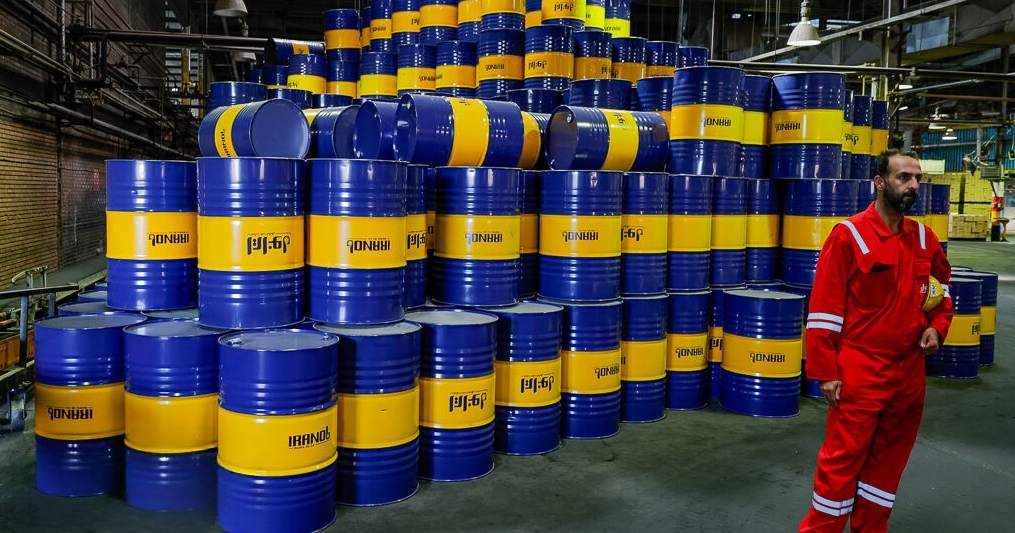
The Amir Kabir industrial district in Isfahan is facing significant challenges, impacting various sectors that support trucks, machinery, and construction equipment. Local mechanics, machinists, and parts dealers are experiencing a decline in demand due to decreased transport activity and rising costs associated with vehicle maintenance. As a result, the livelihoods of these operators and drivers are becoming increasingly strained.
Transport Slowdown and Economic Strain
The decline in freight activity has been particularly detrimental for drivers who rely on cargo for their income. A worker from the district shared that many drivers have acquired their vehicles through installment loans. With reduced cargo movement, they not only struggle to repay these loans but also contend with maintaining their families. The economic landscape is further complicated by soaring inflation, with recent reports indicating consumer prices have increased by nearly 90% compared to last year. Basic necessities, especially food and drink, have seen staggering price hikes, making it difficult for households to cope.
Inflation and Currency Devaluation Impact Local Businesses
The Iranian rial has been losing value, reaching an alarming exchange rate of over 2.5 million to the US dollar—a record low. This devaluation puts immense pressure on businesses that depend on imported materials and parts. As one parts dealer pointed out, prices fluctuate based on daily dollar rates, making it challenging to provide consistent pricing. Even if the rial strengthens momentarily, those price reductions fail to reflect in the market, leading to higher costs for consumers. Consequently, workers and consumers are left bearing the brunt of this economic crisis.
Effects on Employment and Job Security
The ripple effects of reduced transport activity extend throughout the industrial sector, with many skilled jobs at risk. A typical workshop might employ several workers for various repair tasks. However, with income dwindling and costs continuing to rise, workshop owners may opt to halt new hiring or even downsize their workforce. This is especially concerning considering the lengthy training period required for skilled technicians. Without job security, workshops have little incentive to invest in training new apprentices, which could have long-term ramifications for the industry.
The Bigger Picture: A Nationwide Economic Decline
The troubles in the Amir Kabir district echo a wider economic downturn affecting Iran as a whole. Persistent sanctions, diminished oil revenues, and a tightening trade environment have exacerbated the situation. These factors contribute to rising barriers for local businesses trying to obtain necessary materials and equipment. For many workers and operators in Isfahan, the equation is simple yet harsh: there is less work available at a time when everything needed to perform that work comes with a higher price tag. Local tradespeople express the urgent need for greater cash flow and increased job opportunities to sustain their operations amidst this crisis.
In summary, the Amir Kabir industrial district’s current predicament underlines the interconnectedness of various economic factors, highlighting the pressing need for revitalization efforts to improve conditions for workers and businesses alike.