
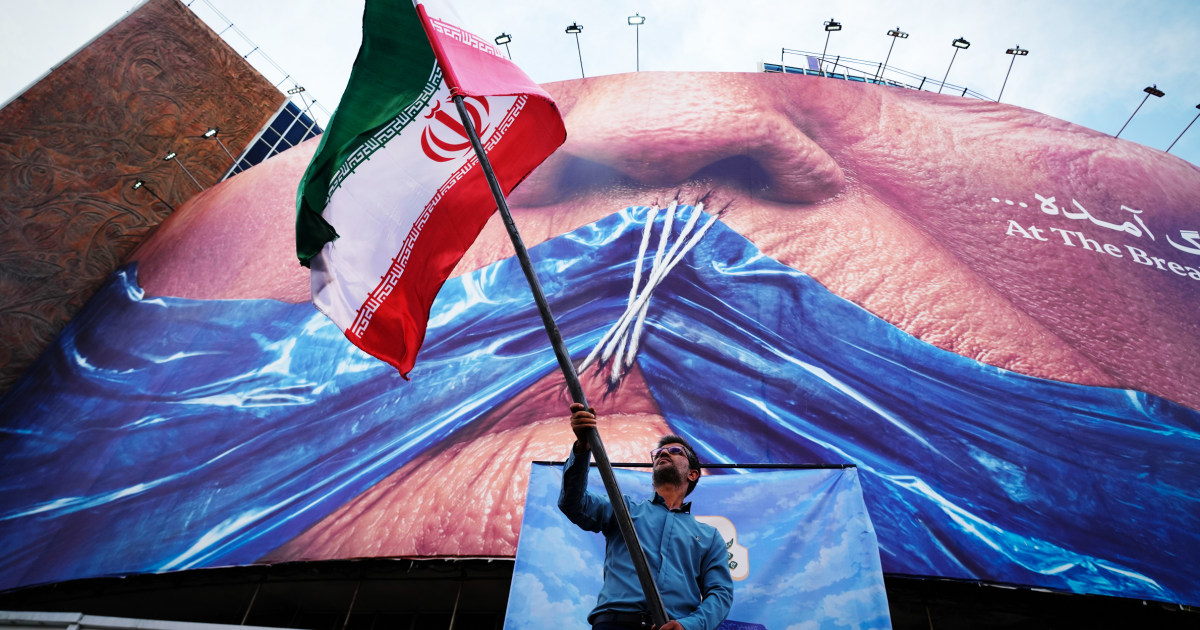
Iran’s Warnings Amid Ongoing Tensions with the U.S.
Iran has intensified its rhetoric regarding potential conflicts with the United States, threatening to extend any hostilities beyond the Middle East following President Trump’s indication that he nearly resumed military action. The backdrop of these tensions arises from diplomatic talks that largely stalled after a temporary ceasefire six weeks ago. During this period, Iran submitted a new proposal to the U.S., but the terms have been largely dismissed, underscoring the complex nature of navigating peace.
Stalled Diplomacy and the Potential for Escalation
The latest diplomatic endeavors have not yielded significant progress. Iran’s recent offer includes previously rejected demands such as control over the strategic Strait of Hormuz, compensation for wartime damages, and the lifting of sanctions. This mirrors Trump’s aggressive stance, as he indicated he was on the verge of authorizing a new bombing campaign but opted to delay in favor of negotiations. Such fluctuating strategies from the U.S. have raised questions about the viability of a peace agreement, with Trump expressing both resolve and optimism, creating uncertainty in global markets and diplomatic circles alike.
Strait of Hormuz: A Crucial Maritime Passage
Iran has exercised significant control over the Strait of Hormuz, significantly impacting global energy supplies. Since the onset of hostilities in February, the strait has been effectively closed to most shipping traffic, leading to historical disruptions. In response to this blockade, the U.S. initiated a counter-blockade targeting Iranian ports. While Iran proposes to reopen the route for “friendly” nations under its terms, the U.S. has firmly rejected any prerequisites for access, further complicating the matter.
Meanwhile, shipping activity shows signs of life, with recent reports indicating that Chinese tankers have begun transiting the strait once again. Nevertheless, traffic remains significantly below pre-war levels, raising concerns for energy markets that rely on this vital route. The situation remains tense, as both countries grapple with strategies that balance military posturing with diplomatic overtures.
Political Pressures and Economic Ramifications
The U.S. administration is under mounting pressure to resolve the situation, especially with rising energy prices threatening the Republican Party’s standing ahead of upcoming congressional elections. Trump’s contradictory statements about military actions and pursuit of a peaceful resolution signal a broader instability that influences investor confidence and oil prices. Analysts highlight the growing curiosity within markets about whether the U.S. and Iran can indeed strike a workable peace deal.
Despite the ceasefire mostly holding, the conflict remains fragile. Attacks on shipping and drone strikes in the region have persisted, with both the U.S. and Iran employing proxies and military assets to assert their positions. This underscores the precarious nature of peace efforts, as attacks from Iranian-backed militias continue to pose immediate risks to regional stability.
In summary, Iran’s firm stance and threats of expanding the conflict illustrate the complex dynamics at play. While the U.S. seeks a diplomatic pathway, the ongoing military actions serve as a reminder that tensions between these two powers remain volatile and fraught with the potential for escalation. The future of peace in the region hinges on both nations finding common ground in an increasingly intricate geopolitical landscape.