
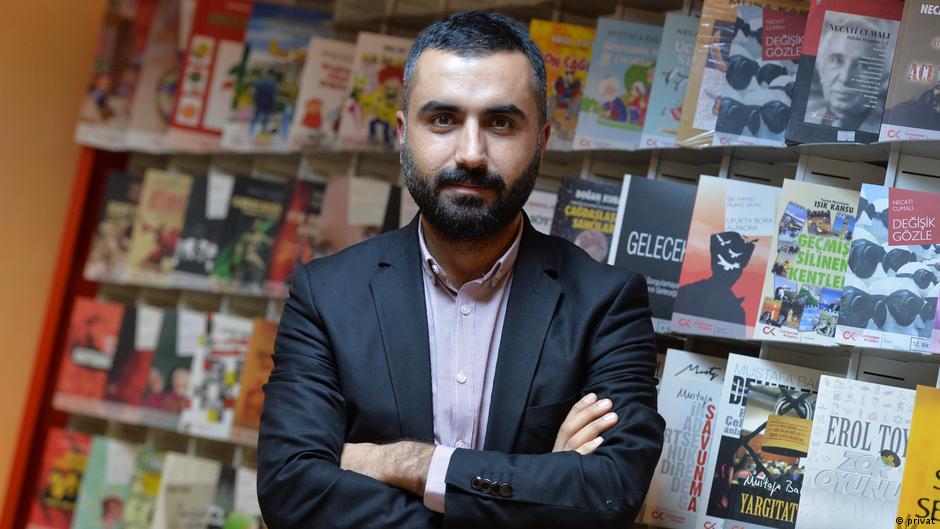
Alican Uludag, a correspondent for DW, faces serious charges including publicly insulting Turkish President Recep Tayyip Erdogan and disseminating misleading information through 22 social media posts. His initial court appearance is scheduled for Thursday after being apprehended in Ankara on February 19 and subsequently transferred to Istanbul for pre-trial detention. Despite his request to present his defense in person, he is only permitted to participate via video conferencing, highlighting ongoing issues within the Turkish judicial system.
Targeted Intimidation of Journalists
Uludag’s arrest is emblematic of a broader trend affecting journalists in Turkey. As one of the few remaining individuals focused on judicial reporting, his case is seen as a significant blow to press freedom in the country. Following his detention, DW Director-General Barbara Massing dismissed the allegations as unfounded, characterizing the arrest as a “targeted attempt at intimidation.” She emphasized that Uludag’s extensive network makes him a particularly troublesome figure for officials, who may perceive his investigative work as a threat.
Erol Onderoglu, a representative from Reporters Without Borders (RSF), also criticized the judiciary’s actions as arbitrary and aligned with the interests of those in power. Uludag himself regards his arrest as a deliberate effort to obstruct his ability to fulfill his journalistic duties. He has previously addressed inconsistencies in legal documents and witness testimonies, claiming to approach his work from an impartial standpoint. Despite the charges, he maintains his commitment to uncovering the truth.
The State of Press Freedom in Turkey
Turkey’s media landscape is fraught with challenges, and Uludag’s situation is not isolated. The country has seen a wave of arrests and prosecutions against journalists, leading to more convictions in recent months than typically occur in an entire year. According to RSF’s World Press Freedom Index, Turkey ranks 163rd out of 180 nations, underscoring the dire condition of press freedom. Censorship and legal repercussions have become increasingly normalized, creating an environment where journalists face constant scrutiny and the threat of criminal charges.
The Turkish Journalists’ Union (TGS) has voiced concerns about an increasing trend of pressure against media professionals. The organization emphasizes that state interventions are becoming more frequent and systematic, impacting not just individual journalists but the entire media landscape. They categorize the current state of affairs as a structural issue where established legal protections for journalists are steadily eroding.
Increasing Legal Threats Against Journalists
The implementation of Article 217/A of the Turkish penal code, commonly referred to as the “censorship law,” plays a pivotal role in the current climate. This legislation criminalizes the dissemination of “misleading information,” which critics argue serves as a deterrent to journalistic inquiry. This year, prominent cases including that of Ismail Ari, a reporter for the left-wing newspaper Birgun, have emerged under similar allegations, indicating a broader crackdown on dissenting voices in the media.
Many journalists end up facing lengthy legal battles, which, even when resulting in acquittals, inflict substantial emotional and financial tolls. According to TGS data, as of late April, 15 journalists and media workers are in custody, reflecting the ongoing struggle for press freedom in Turkey. Uludag’s pre-trial detention and the charges levied against him are symptomatic of a judicial system that increasingly uses legal action as a tool for political repression.
As he awaits his trial, Uludag expresses concern not only for his own freedom but also for his ability to report on potential human rights violations within the prison system, further complicating an already challenging environment for journalism in Turkey. The implications of his case extend beyond his personal circumstances, serving as a sobering reminder of the precarious state of press freedom in an increasingly authoritarian landscape.