
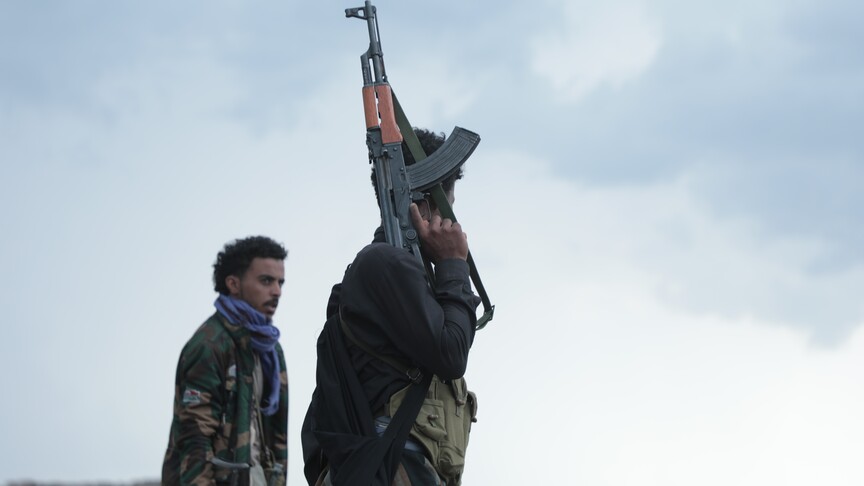
On October 3, 2026, Yemen’s Houthi movement announced a significant military operation targeting Saudi Arabia’s oil giant, Aramco. This aggression comes as a direct response to recent airstrikes on the Yemeni capital, Sanaa. The ongoing conflict has escalated tensions in the region, drawing attention to the complex dynamics between the two nations.
Houthi Claims of Success in Recent Attack
The Houthi military spokesman, Yahya Saree, reported that the attack on Aramco’s facilities was a success, indicating that fires erupted at the targeted locations. This marked another chapter in the Houthis’ ongoing military engagements, which they assert are justified by the recent bombardments of Sanaa. Over the past 24 hours alone, Saree claimed that Yemeni provinces faced approximately 60 airstrikes attributed to Saudi Arabia, bringing the overall toll to a staggering 1,420 strikes. This barrage has further fueled the Houthis’ rhetoric of retaliation against what they deem persistent aggression from the Saudi coalition.
Escalating Conflict and Continued Retaliation
Saree issued a stark warning, emphasizing that the Houthis would respond in kind to what they perceive as blockades and escalations initiated by Saudi Arabia. His statements underline the fraught atmosphere in the region, where retaliatory strikes have become commonplace. Since the conflict intensified in 2015, Saudi Arabia has led a coalition aimed at reinstating the Yemeni government, which the Houthis have battled for control since they seized Sanaa in September 2014.
The recent naval blockade imposed by the Houthis on Saudi Arabia, announced on July 20, serves as a reminder of the depths of animosity between the two sides, effectively exacerbating the humanitarian crisis in the region. The Houthis argue that their actions are defensive, provoked by what they call a Saudi siege on areas they control in Yemen. This tit-for-tat exchange of military actions underscores the volatility that permeates the ongoing conflict.
Saudi Arabia’s Silence Amid Provocations
As of 2000 GMT, Saudi officials had yet to comment on the Houthi claims concerning the attack. This silence may reflect the complex political and military calculations at play. While the kingdom has engaged in a lengthy military campaign to support Yemen’s internationally recognized government, the Houthis have shown resilience and adaptability, posing a formidable challenge to Saudi strategic interests in the region.
The unfolding situation highlights the precarious balance of power in the Middle East. With both sides locked in a cycle of violence, the prospects for peace appear bleak. The impacts of these military confrontations extend beyond immediate casualties, as regional stability hangs in the balance. The international community watches closely, recognizing that the dynamics within Yemen can have far-reaching consequences for the Middle East and global oil markets.
As the conflict rages on, each side seems prepared to escalate their military efforts, suggesting that the ongoing clashes may not easily reach a resolution. Understanding the motivations and actions of both the Houthi forces and the Saudi coalition is vital for interpreting the future trajectory of this protracted conflict.