
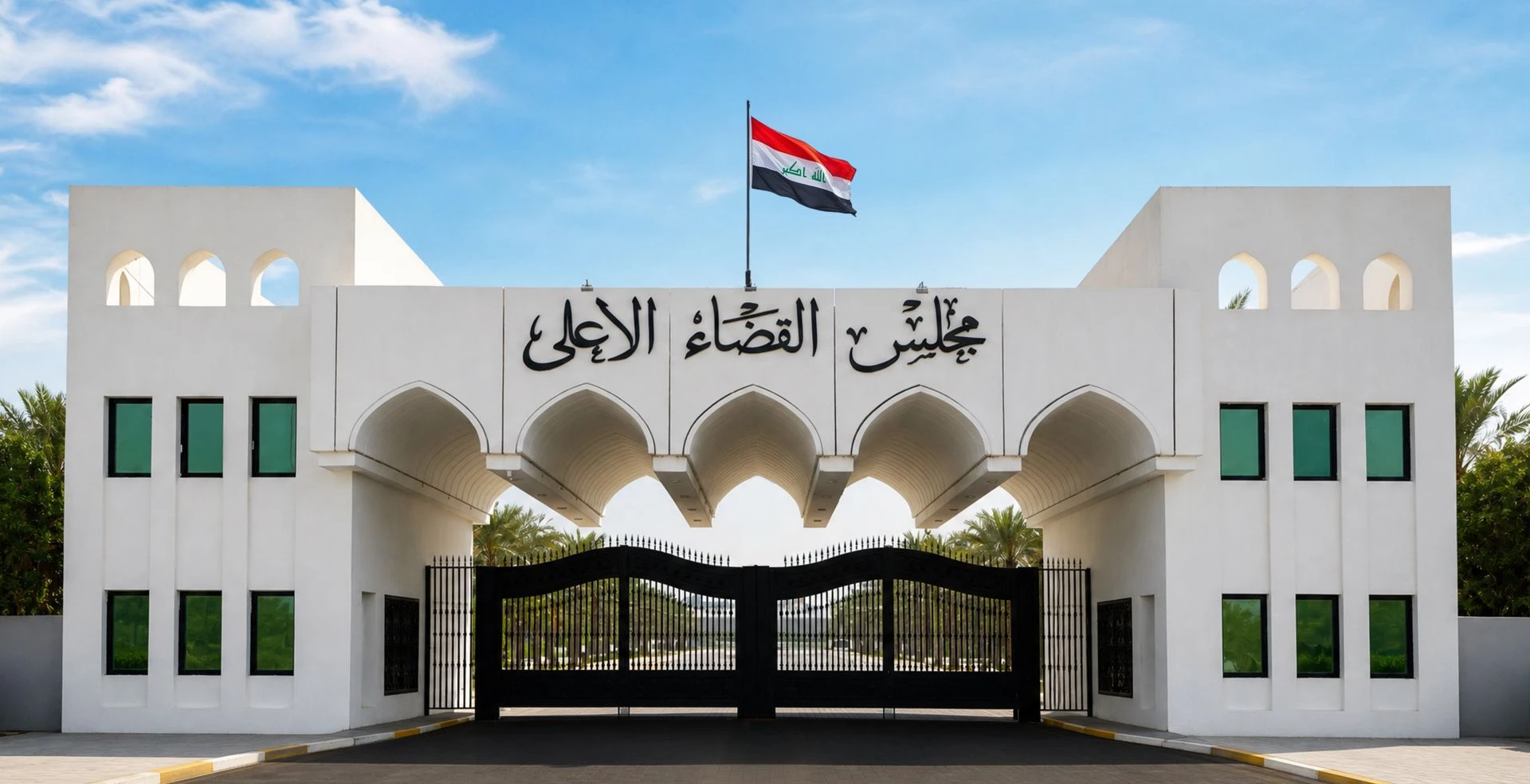
Iraqi courts have reported a notable increase in human-trafficking cases in recent months, reflecting ongoing social issues within the country. As of August, 183 cases were registered, up from 167 in July. This troubling trend demands attention, especially in light of declining suicide rates.
Human-Trafficking Overview
The distribution of human-trafficking cases across regions highlights significant concerns. Basra took the lead with the highest number of cases, documenting 67 incidents. Following closely is Baghdad’s Al-Karkh district with 40 cases, while Diyala reported 12. More encouragingly, several regions—including Nineveh, Babil, Dhi Qar, and Al-Muthanna—reported no human-trafficking cases during this period. The numbers suggest a growing issue, particularly in urban areas, making it essential for authorities to prioritize interventions.
Suicide Trends in Iraq
On a different note, suicide rates in Iraq have shown a decline, with figures dropping from 16 cases in July to 10 in August. Of these, Nineveh accounted for half, with five incidents, while Diyala reported two. The remaining cases were distributed among Baghdad’s Al-Rusafa, Najaf, and Al-Qadisiyah, each recording one suicide. While this decrease might seem positive, the underlying mental health concerns still necessitate comprehensive strategies to address the root causes of these tragic outcomes.
Foreign Residence Law Violations
In addition to human trafficking and mental health crises, violations of Iraq’s Foreigner Residence Law have also decreased, falling from 384 to 307 cases. The Al-Rusafa district was again at the forefront, accounting for a staggering 204 violations. Following them were Al-Karkh with 35 cases and Wasit with 26. Notably, areas such as Basra, Nineveh, Babil, Dhi Qar, Al-Anbar, Maysan, Al-Muthanna, and Karbala reported no such violations. This decline could suggest improved enforcement of regulations surrounding foreign residence, but it also highlights the need for ongoing monitoring to ensure compliance across all regions.
Policy Implications and Future Strategies
The data reveals urgent social issues that require immediate action from policy-makers and governmental bodies. With rising human-trafficking cases largely concentrated in urban environments, targeted approaches may be necessary. Employing community outreach programs, increasing legal awareness, and bolstering local resources can make a significant difference.
Collaborative efforts among government agencies, non-profits, and community organizations are critical to address these pervasive issues. Mental health initiatives should also be prioritized to ensure vulnerable populations receive the necessary support and resources to improve their well-being, further reducing suicide rates.
In summary, while Iraq is witnessing alarming trends in human trafficking, it is simultaneously experiencing a promising decline in suicide rates and foreign residence law violations. This duality presents a complex landscape that requires strategic, multi-faceted responses to foster both public safety and community health moving forward.