
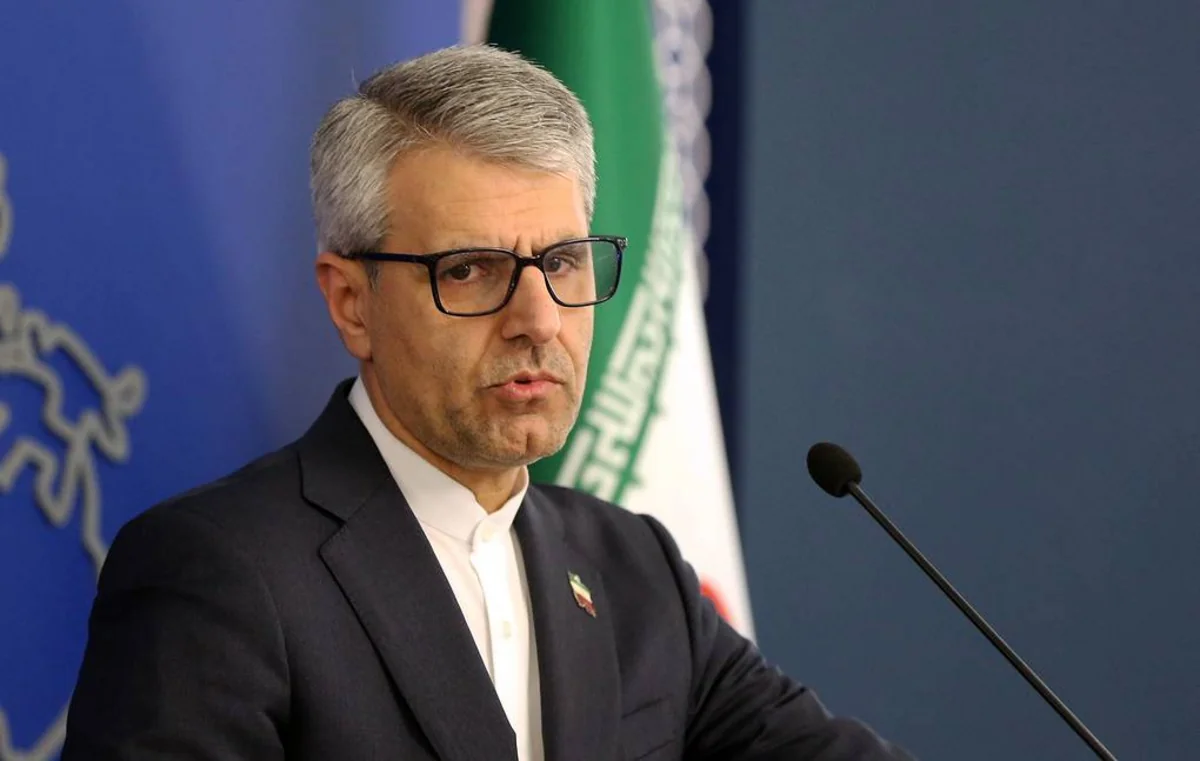
Iran has formally communicated its response to a proposal from the United States, conveyed through Qatar. This development signals a withdrawal from further discussions regarding Iran’s nuclear program, as announced by Iranian Foreign Ministry spokesperson Esmaeil Baghaei.
Implications of Iran’s Response
Baghaei emphasized that the stability of the crucial Strait of Hormuz is contingent on tangible actions from the United States. The spokesperson underscored that mere diplomatic rhetoric would not suffice; the U.S. must undertake definitive steps to improve relations and ensure safety in the region. This announcement not only underscores Iran’s position but also highlights the complexities of international negotiations surrounding its nuclear ambitions.
Key Demands for Security Restoration
According to Baghaei, restoring security in the Strait of Hormuz requires several critical actions from the U.S. These actions include the complete dissolution of barriers hindering Iran’s commercial shipping activities. Iranian officials believe that these limitations significantly impact Iran’s economy and regional trade dynamics, further straining diplomatic relations. The removal of unilateral sanctions imposed on Iran is also a primary demand, as these measures are viewed as punitive and detrimental to Iran’s economic health.
Ending Military Interventions
In addition to lifting sanctions, Iran calls for an end to U.S. military interventions in the region. These interventions have long been perceived by the Iranian leadership as acts of aggression. The foreign ministry spokesperson articulated that such military presence exacerbates tensions, making dialogue and negotiation increasingly difficult. A commitment to cease military actions would, according to Baghaei, demonstrate a real willingness to mend relations and build trust.
Path Forward for U.S.-Iran Relations
The implications of Iran’s stance could lead to a significant shift in the geopolitical landscape of the Middle East. With the U.S. facing pressure to reassess its approach, the next steps in diplomacy will be closely scrutinized. Renewed tensions may arise if the U.S. fails to address Iran’s demands, potentially complicating ongoing efforts toward a nuclear deal, which remains a contentious issue on the global stage.
In conclusion, the evolving dynamics between the U.S. and Iran underscore the critical need for strategic and respectful dialogue. Ensuring regional stability hinges not only on diplomatic engagement but also on a genuine commitment to addressing the underlying issues that have fueled decades of mistrust. As conversations progress, both nations will have to navigate these complex challenges to foster a more secure and cooperative future.