
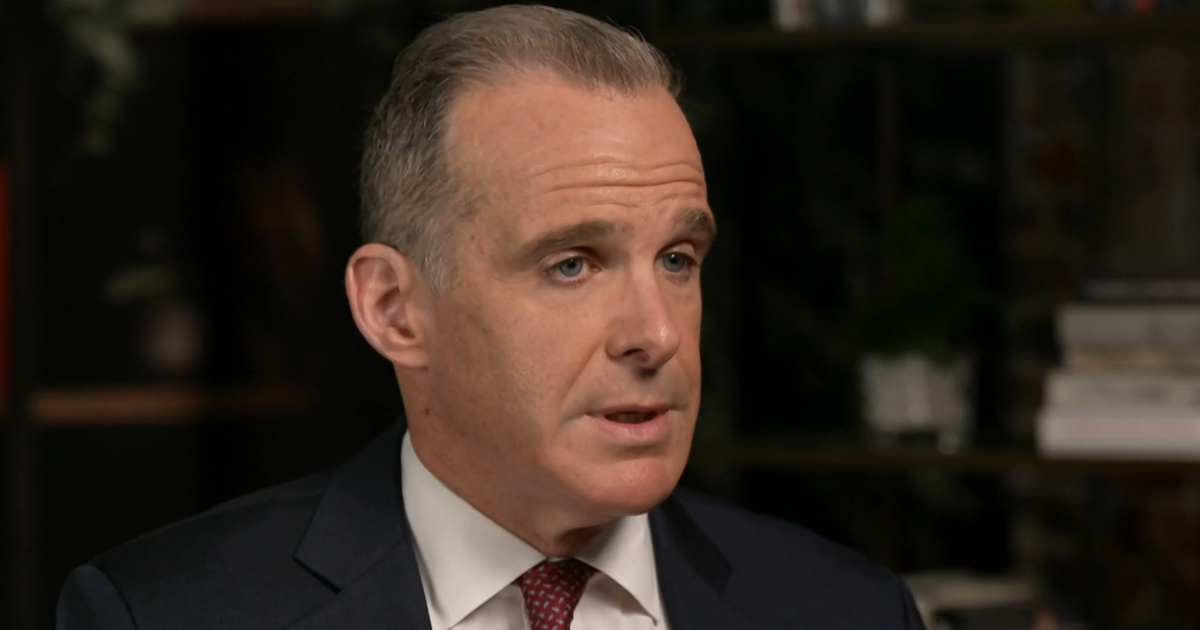
President Joe Biden faced a critical moment following a devastating Israeli drone strike in the Gaza Strip that resulted in the deaths of seven World Central Kitchen aid workers in April 2024. With intelligence indicating that Iran was preparing an unprecedented aerial assault on Israel, U.S. officials advised Biden against implementing serious measures against Israel, such as cutting off military aid. Brett McGurk, a senior adviser with experience in U.S. Middle East policy, recounted the tense deliberations during a recent interview.
Escalating Tensions Amid Conflict
In an appearance on CBS’s “Face the Nation,” McGurk noted that Biden was frustrated with Israeli Prime Minister Benjamin Netanyahu’s handling of the ongoing conflict. He indicated that had it not been for the impending Iranian strikes—which included a massive coordinated launch of missiles and drones—the U.S. might have acted decisively against Israel. McGurk revealed that discussions about halting military support to Israel were very much in the air at that time— an action that could have dramatically altered U.S.-Israeli relations.
According to McGurk, the Biden administration’s strategy was to align with Arab and European partners to defend Israel, while also working to secure a ceasefire between Israel and Hamas. This delicate balancing act was complicated by the ongoing humanitarian crisis in Gaza, raising pressure on Biden from within his party to reassess military aid to Israel amidst rising civilian casualties.
Complications of U.S. Support
Debates regarding U.S. military assistance to Israel intensified during the 2024 presidential campaign, with critics asserting that the administration could be doing more to curb military support for Israel. McGurk recounted that a State Department review had raised alarms about how U.S. weapons were being utilized, specifically highlighting concerns over their role in civilian casualties and violations of international humanitarian laws.
Democratic senators, including Chris Van Hollen, criticized Biden for not leveraging U.S. support more effectively, emphasizing that the administration had essentially increased arms shipments following Netanyahu’s disregard for requests to minimize harm to civilians. The situation prompted continued discussions about the future of U.S.-Israel relations amidst escalating violence and accusations that the Biden administration had not responded adequately to Israel’s actions in Gaza.
Concerns Over Regional Escalation
Complicating matters further, attacks on U.S. forces by Iran-backed groups surged during this period. McGurk emphasized the necessity of addressing Iranian aggression, pushing Biden to take more decisive actions against Iranian targets in retaliation for these attacks. He argued that a strong U.S. response was crucial to maintaining stability in the region. He also pointed out that the assumption both Israel and the U.S. made regarding an Iranian dash toward procuring weapons-grade uranium needed scrutiny. The dialogue around Iran’s nuclear ambitions and its military actions required careful handling to avert a broader conflict.
Concerned about Iran’s potential nuclear developments, McGurk recalled that there was unanimity among high-ranking officials regarding the need to respond decisively should evidence surface of Iran accelerating its nuclear weapons program. The discourse surrounding these issues sets the stage for the current landscape of U.S. strategy and Middle East policy.
Implications for Future Diplomacy
The October 7 attack by Hamas has raised significant questions about the effectiveness of Israel’s intelligence and response mechanisms, sparking calls for official inquiries. McGurk suggested that the Israeli government must examine its security assumptions more closely, citing a miscalculation in assuming Hamas was deterred from launching a large-scale assault.
In the context of this turmoil, Biden’s mixed approach to relations with Saudi Arabia also impacted the region’s dynamics. McGurk indicated that the recent diplomatic maneuvers aimed at normalizing relations between Israel and Saudi Arabia were derailed by the escalating conflict. The complexities of regional diplomacy and U.S. interests continue to evolve, and the fallout from these events will likely resonate for years to come, influencing U.S. policy in the Middle East and beyond.