
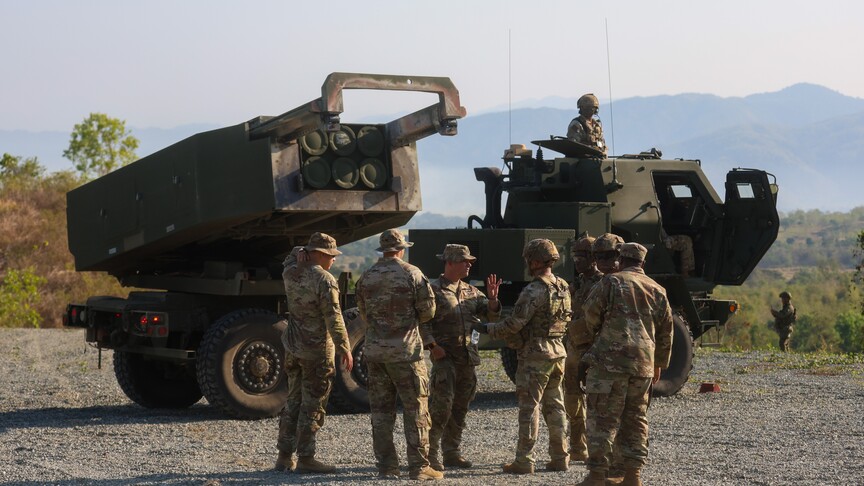
The escalating tensions in the Middle East have prompted the United States to plan the deployment of more troops and aircraft to Israel in the upcoming weeks. This move comes as the situation in the region shows signs of volatility, with Israeli media reporting significant US military involvement in the area.
US Military Presence in Israel
Currently, approximately 3,000 US troops are stationed in Israel, engaged in various roles that include operating air defense systems and providing logistical support alongside pilots and military personnel. This ongoing military presence is part of a routine troop rotation, as units complete their deployments in the region. Reports indicate that additional military resources are set to arrive as part of preparations for a potential escalation in the Middle East.
The buildup of US military forces aligns with growing concerns over rising tensions with Iran. Recent developments suggest a broader military augmentation in the region, including the deployment of extra naval forces, which raises alarm among analysts and security experts alike. An unnamed Israeli security official recently indicated that regional adversaries are monitoring the political dynamics surrounding elections in both Israel and the United States, speculating on how these events could influence their strategic choices.
Impact of Regional Conflicts
As the situation unfolds, the Israeli military continues to strategize for potential confrontations, particularly with Iran. This involves assessing possible military operations that could take place in a more extensive conflict, with specific targets identified within Iranian territories. Coordination efforts between Israeli forces and US Central Command (CENTCOM) are ongoing to prepare for scenarios that involve potential missile threats from Iran.
In parallel, Iranian Foreign Minister Abbas Araghchi has signaled a willingness to engage in diplomatic discussions to achieve a fair resolution to current tensions, mentioning Iran’s conditions for reopening the Strait of Hormuz. Despite these overtures, the US administration has not accepted Iran’s proposals, highlighting the challenging landscape of negotiations.
Regional Implications of the Houthi Conflict
Furthermore, developments in Yemen, particularly the hostilities between government forces and the Houthis, signal potentially broader ramifications for regional alliances. Israeli military analysts suggest that the ongoing conflict in Yemen could lead to strengthened ties between Saudi Arabia and the United Arab Emirates in their efforts against the Houthis. An Israeli security official remarked that nations choosing not to confront the Houthis may find themselves increasingly isolated and vulnerable to future hostilities.
The conflict in Yemen has persisted since the Houthi movement seized control of the capital in 2014, prompting a Saudi-led coalition to intervene by supporting the Yemeni government’s fight against the insurgents. As fighting intensifies, particularly in strategic locations such as Al Hudaydah and Taiz, the implications for regional security continue to grow.
In conclusion, the interplay of military readiness, regional conflicts, and diplomatic efforts forms a complex and precarious situation in the Middle East. The ongoing developments will likely have lasting effects on not just local politics but global security dynamics as well.