
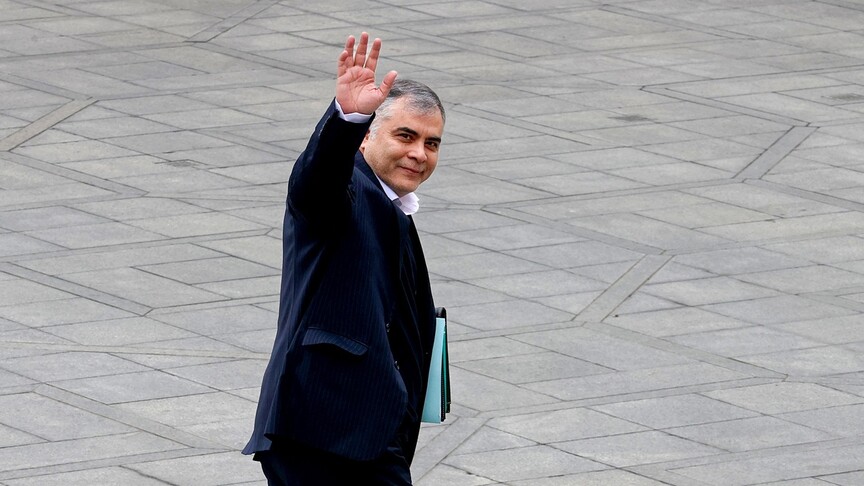
Iran has recently witnessed a significant political shift with the resignation of its Oil Minister, Mohsen Paknejad. This decision comes amid a backdrop of escalating tensions and unprecedented sanctions imposed by the United States, particularly targeting Iran’s invaluable oil sector. The repercussions of these geopolitical maneuvers are extensive, impacting both the nation’s economy and its standing in global energy markets.
Resignation Amid Turmoil
Mohsen Paknejad’s departure was confirmed by Mehdi Tabatabaei, who serves as the deputy head of communications at the Iranian president’s office. He announced that President Masoud Pezeshkian accepted Paknejad’s resignation, but no specific reasons were disclosed. This decision adds to the ongoing challenges faced by Iran, particularly as the country grapples with stringent US sanctions. The sanctions have severely limited Iran’s ability to engage in international oil sales, putting immense pressure on its economy and governance.
New Leadership in the Oil Sector
Following Paknejad’s resignation, Hamid Bovard has been appointed as the acting oil minister to manage the affairs of the oil ministry. Bovard has an extensive background in the oil industry, having previously led the state-run National Iranian Oil Company. His expertise in oilfield operations suggests a focus on bolstering Iran’s oil production capabilities and navigating the current sanctions environment. However, the task ahead remains daunting, and the roadmap for restoring oil revenues appears uncertain.
Impact of US Sanctions
The timing of Paknejad’s resignation is particularly critical. US Treasury Secretary Scott Bessent stated recently that Iran is devoid of any oil shipments at sea and is projected to generate no oil revenue for the week. These remarks highlight the gravity of the situation wherein Iran’s oil sector is effectively paralyzed due to the stringent measures implemented by the US Treasury Department. The launch of Operation Economic Outcast exemplifies the United States’ commitment to isolating Iran from the global financial ecosystem, further exacerbating the challenges faced by Iranian officials.
Escalating Military Conflict
Iran’s geopolitical landscape has also been dramatically altered by military confrontations, notably following the onset of hostilities between the US and Israel on February 28. In response, Iran has engaged in missile and drone strikes across the region, leading to the closure of the vital Strait of Hormuz. This strategic route is essential for global energy supplies, and its disruption signifies the broader implications of ongoing tensions. The US military’s subsequent naval blockade on Iranian ports has only intensified the economic strain, making the resumption of normal oil operations increasingly precarious.
In conclusion, the resignation of Iran’s Oil Minister is not just a political upheaval; it highlights the intersection of domestic governance and international relations. As Iran navigates its way through this tumultuous period, the future of its oil industry and economic stability remains uncertain, raising questions about the nation’s ability to withstand external pressures and internal challenges.