
Iraq recently completed its second withdrawal of US military forces in 15 years, marking a significant moment in the country’s ongoing struggle for sovereignty and security. On September 30, the last US-led Coalition troops vacated Erbil Air Base in the Kurdistan Region (KRI), officially concluding a mission that began in 2014 against ISIS. This departure raises important questions about Iraq’s capacity to maintain its territorial integrity and airspace without foreign military support.
The Implications of Military Withdrawal for Iraq
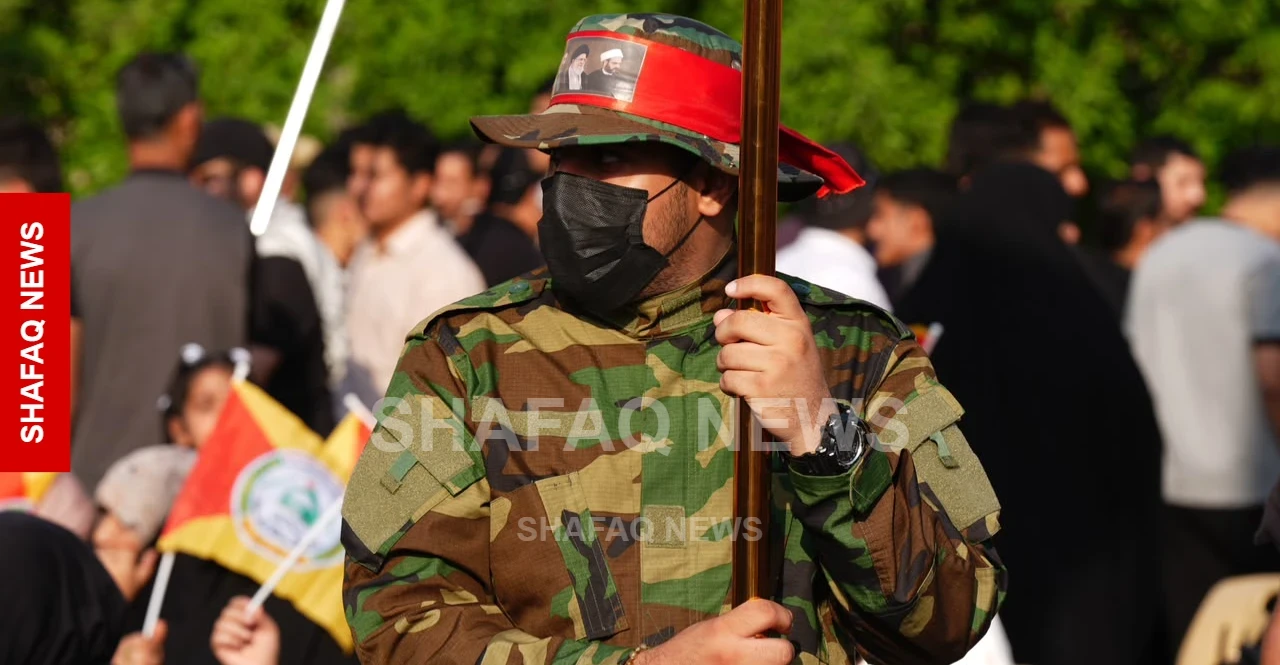
The exit of US forces adds pressure on the Iraqi government as it seeks to establish its authority without the backing of foreign troops. Historically, armed factions aligned with Iran have justified their existence by claiming the need to resist foreign military presence. With that justification waning, these groups face a dilemma that could potentially reshape the power dynamics within Iraq. The recent withdrawal will undoubtedly test whether the Iraqi state can assert a monopoly on violence and governance.
When the US first withdrew its combat troops in 2011, Iraq had around 39,000 soldiers remaining in the country. Fast forward to the end of September 2024, and this figure has shrunk to approximately 2,500, reflecting a shift from direct combat operations to advisory roles. This current phase, which involved ending the Coalition’s military presence, was distinctive in that it represents a persistence of advisory missions rather than outright combat.
Challenges Ahead for Iraqi Armed Forces
The conditions surrounding this latest withdrawal have been influenced by the 2011 exit, which precipitated the rise of ISIS—a situation that Iraqi and Kurdish leaders are acutely aware of. Despite various crises that contributed to the instability, the rapid collapse of security has fostered a renewed urgency around discussions of Iraq’s military capacity and dependence on US intelligence. Some officials argue that while the advisory role remains vital, the withdrawal comes at a time when new challenges are arising from regional conflicts and internal dissent.
While the US Central Command (CENTCOM) has indicated that the operational management of the anti-ISIS mission will now be conducted from a new headquarters in Jordan, concerns linger about the security vacuum left by the withdrawal. US forces may continue to provide limited support, such as intelligence and specialized training, but much will depend on Iraq’s ability to fend for itself against internal and external threats. The fate of air-defense systems currently under consideration for procurement from various countries adds another layer of complexity to Iraq’s security landscape.
Looking Forward: A New Framework for Security
The Iraqi government, especially under the leadership of Prime Minister Ali al-Zaidi, is closely monitoring the implications of the US withdrawal. Officials have expressed intentions to strengthen national defense capabilities. Plans are reportedly underway to acquire air-defense systems from allies, which would also cover the KRI’s airspace, a critical zone that has frequently faced attacks from external forces.
Yet, the relationship between Iraq and the US isn’t entirely severed. While the Pentagon describes their exit as an evolution of their military engagement rather than an end, the Iraqi government needs to navigate carefully between foreign influences. Some regional analysts argue that the key metric for true sovereignty will be how effectively Iraq can manage its own security challenges without succumbing to another power’s dominance.
In summary, the recent withdrawal of US military assets from Iraq signifies not just a change in military presence but also raises profound questions about the future of Iraq’s sovereignty and stability. As the country grapples with internal factions and external influences, the real test will lie in its ability to maintain control and authority over its territory while forgoing dependence on foreign backing. The way forward is likely to involve a delicate balancing act, as Iraq seeks to define its identity in a rapidly evolving geopolitical landscape.