In the wake of the Hamas-led massacre on October 7, 2023, Israel’s philanthropic landscape has revealed a remarkable evolution. Nearly three years later, the initial surge in donations sparked by the crisis has transformed into a sustained increase in charitable contributions, signaling a deeper commitment to long-term recovery efforts.
The Immediate Response to Crisis
Following the tragic events of October 7, daily life in Israel experienced significant disruption. Many soldiers were called to reserve duty, hundreds of thousands of residents were forced to evacuate their homes, and families began to seek assistance. Nonprofit organizations raced to assess urgent needs while private citizens stepped in to provide support where state systems fell short. Amid this chaos, a wave of generosity emerged as individuals and groups mobilized to assist evacuees, soldiers, and families in distress.
This newfound readiness to donate quickly translated into tangible support. Organizations offered food, medical supplies, and resources for housing, transforming digital fundraising platforms into vital tools for collective action. Both Israelis and Jewish communities abroad channeled their resources toward immediate necessities, showcasing a profound sense of solidarity during a time of unprecedented strife.
Long-Term Trends in Philanthropy
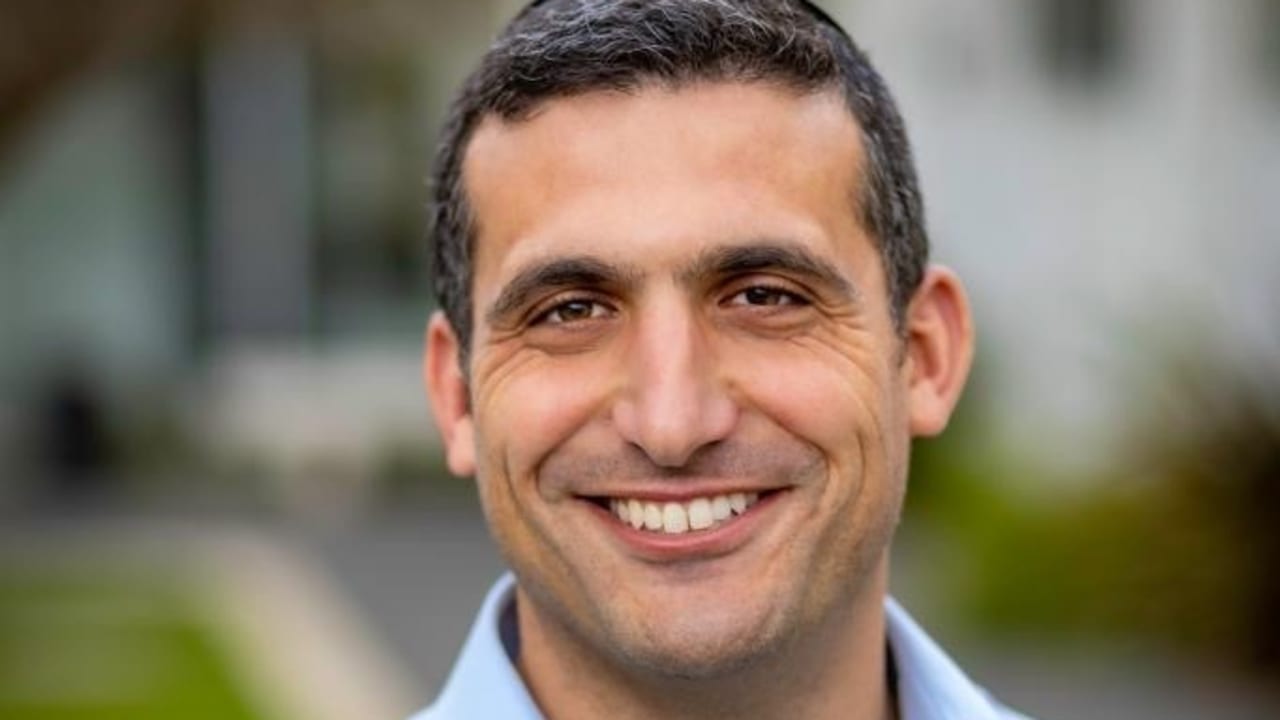
As the immediate crisis subsided, the philanthropic landscape began to shift. Three years on, the challenges facing the sector have evolved. Jewish communities abroad are now navigating local demands even as they support Israel, while the nature of charitable giving among Israelis has noticeably changed. Ori Ben-Shlomo, CEO of JGive, highlights that traditional understandings of philanthropy have deepened, with Israelis increasingly recognizing the importance of sustaining support for rehabilitation efforts.
Notably, in the year preceding the crisis, JGive processed roughly NIS 160 million in donations. That figure surged to approximately NIS 330 million immediately following the massacre. Surprisingly, even as the urgency diminished, donations have continued to grow. Last year, the platform recorded nearly NIS 400 million, indicating a significant and lasting commitment among donors.
The Shift Toward Direct Giving
In recent years, there has also been an observable shift in how donations are made. While Israel received remarkable support from Diaspora communities, particularly from the United States, most contributions continue to originate from within Israel. This trend suggests that the solidarity experienced in the aftermath of October 7 is not solely reliant on external support; Israelis themselves have embraced the notion of direct giving, fostering a more personal connection to their charitable contributions.
This evolution reflects broader societal changes, with donors seeking more control over where their money goes. Ben-Shlomo points out that there is a growing expectation for transparency, particularly among younger generations. They want to know how their contributions are utilized, a shift that aligns with a more participatory approach to philanthropy. Many donors are now inclined to support specific causes directly rather than relying on larger institutional frameworks.
Emerging Needs in Rehabilitation and Mental Health
As the focus transitions from emergency aid to long-term rehabilitation, new challenges have emerged. Efforts now prioritize aiding wounded soldiers, providing mental health support, and offering long-term assistance to families impacted by the conflict. The establishment of organizations tailored to address these needs marks a significant development in the philanthropic sector.
Ben-Shlomo emphasizes that the demand for mental health services has surged as psychological repercussions from the war persist. Professionals previously uninvolved in the nonprofit sphere, such as doctors and psychologists, are now stepping up to fill these gaps and contribute their expertise.
In conclusion, the response from both Israelis and the Diaspora has transformed the landscape of philanthropy in Israel. The level of community engagement has not only underscored the resilience of Israeli society but also highlighted the importance of making social responsibility a permanent aspect of cultural identity. As the focus shifts from urgent relief to sustained support, the collaborative drive of donors suggests a promising future for the philanthropic sector in Israel.