
Following diplomatic interventions from Kyiv, Turkey has declined entry to a Greek freighter allegedly transporting stolen grain from Russian-occupied regions of Ukraine. This incident marks the second instance where public pressure has forced the ship to seek alternative ports. Earlier in April, Israeli importers refused to accept its cargo, prompting the vessel to find a new unloading destination.
Panormitis’ Journey and Allegations
The vessel, known as Panormitis (IMO 9445021), is named after a monastery dedicated to the Archangel Michael on the island of Symi in the Dodecanese. Reportedly, the ship loaded its grain cargo near Novorossiysk in April, although its route remains somewhat unclear due to disruptions in GPS tracking. Upon arriving in Haifa on April 26, it became the second ship in a month to attempt to offload what Ukrainian officials term “stolen” grain.
In response to the situation, Ukrainian Foreign Minister Andrii Sybiha summoned Israel’s ambassador to formally express Ukraine’s concerns. The Israeli Grain Importers Association publicly declared on April 30 that they would not accept the cargo, expecting the Russian supplier to seek another unloading destination, effectively blocking the shipment from reaching the Israeli market.
Gray Market Operations in Grain Exports
Reports from Haaretz indicate that Russia employs a complex export system to transport former Ukrainian wheat. This process generally involves ship-to-ship transfers conducted in the open waters of the Black Sea. Smaller shuttle vessels transport the grain from locations such as Sevastopol, a Russian-occupied port, to larger granary ships. These ships then transload the grain onto reputable bulk carriers, who are often careful to appear uninvolved in the Russian market.
This intricate web of logistics allows these bulk carriers to maintain a semblance of legitimacy while participating in a questionable trade. By not directly docking at Russian-controlled ports, they keep their operations distanced from potential scrutiny and accusations of illegal activity.
Subsequent Developments in Turkey
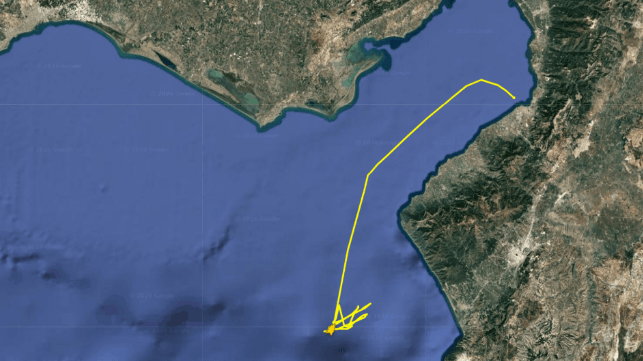
After the grain cargo was rejected in Haifa, the Panormitis set its course for Iskenderun, Turkey, arriving on May 13. However, it appears that Turkish authorities denied the vessel’s request to dock, causing it to depart without ever reaching a berth. Recent AIS tracking data shows that the ship is now hovering near the maritime boundary between Turkey and Syria, raising questions about its next move.
Syria has historically been a primary market for Russian-influenced Ukrainian grain, even amid a shift in the Damascus government. The country remains a significant buyer of gray-market grain, according to recent reports. Given this pattern, it’s highly plausible that the Panormitis may seek to offload its cargo in Syria, adding yet another layer to the complex nature of grain trafficking in this troubled region.
As diplomatic tensions persist and the world keeps a close eye on grain export operations, the implications for both Ukraine and international maritime laws could broaden. Such scenarios underscore the heightened challenges that nations face in addressing the ongoing conflict and its repercussions on food security in various regions.