
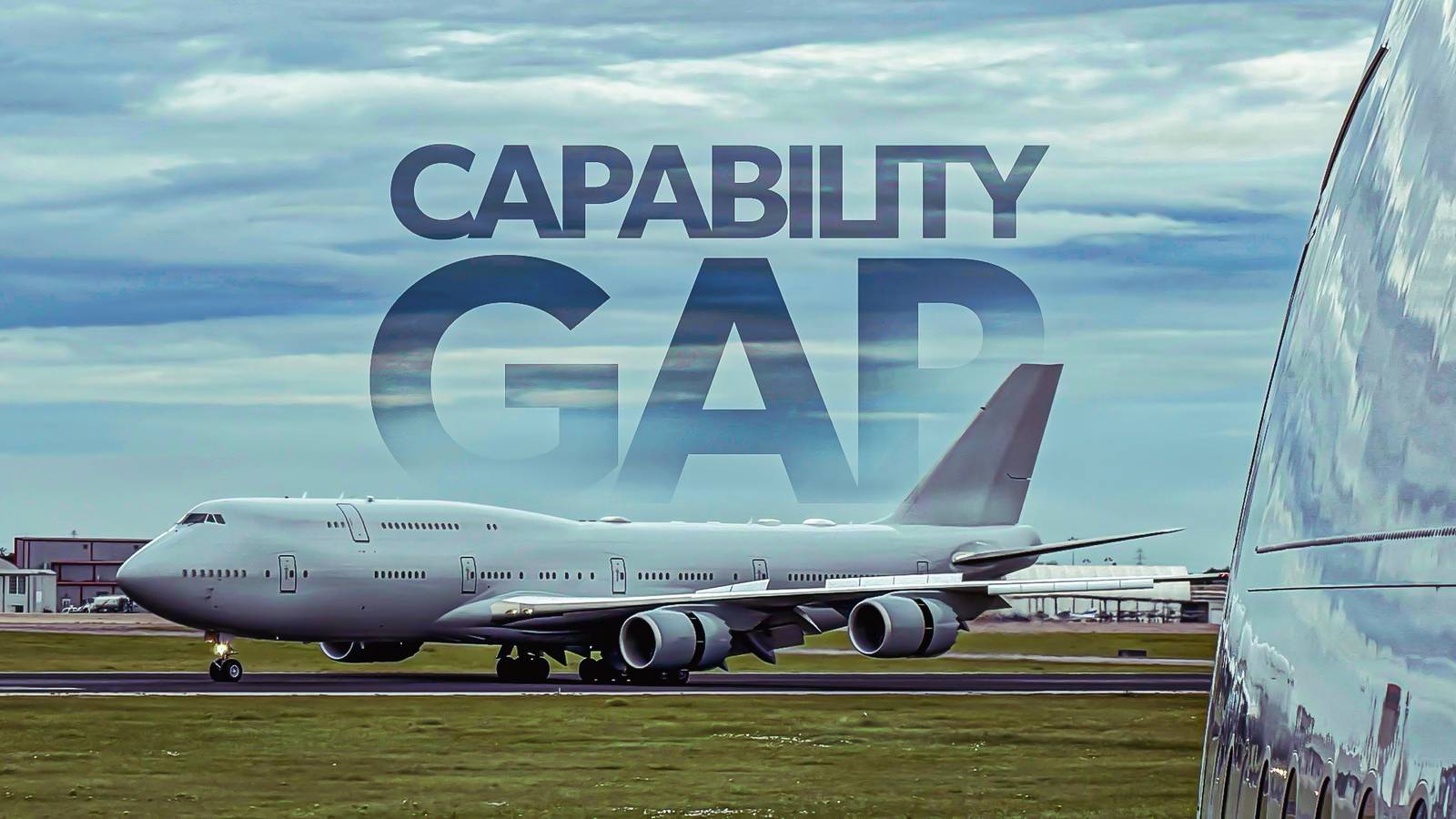
In recent years, Boeing has faced significant challenges across multiple manufacturing programs, particularly within the VC-25B Next Generation Air Force One initiative. This high-stakes venture is now years behind schedule. As a result, former President Donald Trump has opted to enhance a 747-8, a donation from the Qatari government, to serve as a temporary Air Force One. The extensive delays in the VC-25B program have raised serious concerns about whether this interim solution can meet impending security and operational demands.
Current Timeline and Expectations
The new Air Force One is not expected to be delivered until 2028 or 2029 due to the complexity involved in its various systems. Experts are skeptical about the feasibility of retrofitting Trump’s temporary 747-8 in time for use by the summer of 2026, especially given the limitations that accompany such a rapid transition. The conversion is being managed by L3Harris Facilities in Texas, but there has been insufficient clarity about how security concerns are being addressed in the retrofitting process.
The interim aircraft, while a useful stopgap, lacks essential military-grade features present in the contracted VC-25B. These missing elements include critical protections against electromagnetic pulse threats and mid-air refueling capabilities. The origin of the aircraft is also problematic; having been sourced from a foreign entity, the risks of surveillance remain unmitigated, compounded by reports of relaxed security clearances for personnel handling the retrofitting.
National Security Concerns
Air Force One functions as the primary mobile headquarters of the U.S. National Command Authority, making its security vital. Any vulnerabilities could spell disaster, particularly for the U.S. nuclear deterrent and global stability. The potential for foreign surveillance to track the aircraft via unshielded electronics elevates the risks of targeted attacks or compromised operations. Without advanced military-grade anti-spoofing mechanisms, the aircraft becomes more susceptible to varied forms of interference and misdirection.
Moreover, there’s increased concern about foreign intelligence agencies using sophisticated tools to tap in-flight communications. Given the rapid timeline for the aircraft’s conversion, insiders caution that circumventing standard security protocols could lead to significant breaches. Rushed modifications may inadequately address these risks, while the necessity for high-security clearances among Boeing workers has already faced critiques due to a growing shortage of properly vetted personnel.
Financial Considerations and Future Implications
The cost to retrofit the Qatari 747-8 is yet another contentious issue. While Air Force Secretary Troy E. Meink claimed that the expenditure would remain under $400 million, critics argue that the funding and urgency surrounding the project could compromise its integrity and long-term safety. This is compounded by the fact that using taxpayer dollars to fast-track an aircraft with only a limited operational lifespan raises ethical questions about financial stewardship.
Initial funding for the temporary aircraft reportedly diverted resources that could have modernized essential military systems like the U.S. nuclear triad. Such decisions could ultimately jeopardize national security, particularly when weighed against the backdrop of upcoming modernization initiatives. In a climate where efficiency and effectiveness are paramount, the decision to proceed with a bridge Air Force One appears increasingly fraught with long-term ramifications.
As the U.S. grapples with pressing national security issues, the state of Air Force One exemplifies broader challenges in military procurement and operational readiness. With Boeing’s struggles affecting the integrity of the Air Force’s executive transport capabilities, the urgency for a secure and functional aerial command center has never been clearer.