
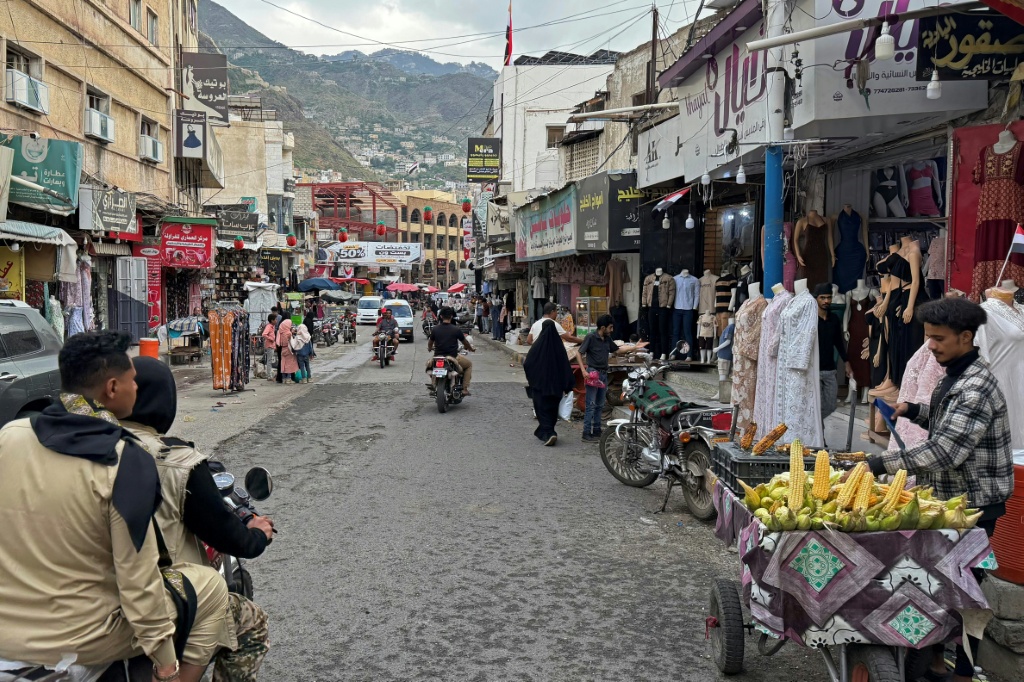
The escalating conflict in Yemen continues to draw regional and international attention, with recent developments highlighting aggressive military actions. Iran-backed Houthi rebels recently claimed responsibility for attacks on critical infrastructure in Saudi Arabia, emphasizing the intensifying hostilities in the region.
Renewed Hostilities on Multiple Fronts
On Monday, the Houthis reported successful strikes on Riyadh’s international airport, an oil refinery, and various other sites in Saudi Arabia. This comes as the Saudi-led coalition, which supports the Yemeni government, claims to have targeted Houthi positions along the Red Sea coast. The widespread ramifications of this fighting have prompted the displacement of over 184,000 individuals, according to the United Nations, illustrating the dire humanitarian crisis unfolding amidst the military escalation.
Pakistan and Turkey are stepping up their involvement, pledging to deploy troops to Saudi Arabia under a recently established mutual defense agreement. This move follows weeks of intensified Houthi attacks, indicating an escalating threat to the region’s stability. As Riyadh and its allies aim to reclaim lost territories, the conflict risks further entrenching existing divisions and violence.
Strategic Military Operations
The Yemeni military reported conducting over 1,000 strikes in its ongoing offensive against Sanaa, while the Saudi-led coalition announced large-scale air operations involving around 100 warplanes. Coalition spokesperson Turki Al-Malki indicated that naval forces had targeted Houthi military assets in Hodeida, successfully destroying weapon depots and facilities used for launching attacks on maritime traffic.
The ongoing battle for control of vital locations, including the Bab al-Mandab Strait, represents a significant tactical shift in the conflict. Recent reports suggest that Yemeni forces have made strides in expelling the Houthis from strategic areas, including crucial ports and military installations. However, definitive news on the recapture of Mocha remains cautious, with officials confirming that supply routes to the port have been cut off.
Regional Response and International Concerns
Loud explosions were heard in Riyadh following Houthi claims of their successful attacks on key facilities like the King Khalid International Airport and state-owned Aramco refinery. These developments coincide with the Yemeni government’s ambitious pledge to reclaim Houthi-held territories—regions that have been contested for years and support a significant portion of Yemen’s population.
An emergency meeting convened in Riyadh brought together representatives from Saudi Arabia, Pakistan, and Turkey, aimed at reinforcing their defense pact. The dialogue centered on proactive measures to ensure rapid military support, although specific roles and missions for the incoming troops were not detailed. UN Secretary-General Antonio Guterres has voiced deep concern over the escalating violence, condemning the Houthi’s continuing cross-border assaults on Saudi Arabia.
Impact on Global Oil Markets
The conflict’s repercussions extend beyond regional borders, particularly affecting global oil markets. Houthi attacks have increasingly targeted Saudi oil infrastructure, including pipelines critical for export. Industry experts are expressing alarm as crude prices continue to surge, further straining global supplies. Saudi Aramco’s CEO has emphasized the precarious state of oil stockpiles, raising alarms about potential shortages due to the ongoing instability. The situation underscores the interconnectedness of regional conflicts and global economic dynamics, which will require careful monitoring in the weeks and months ahead.