
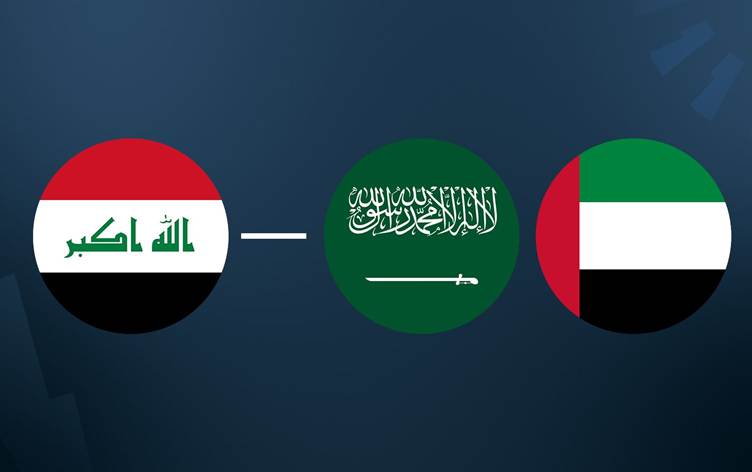
The Iraqi government has recently taken steps to enhance its diplomatic relations with both Saudi Arabia and the United Arab Emirates (UAE) following multiple drone attacks allegedly originating from Iraqi territory. This decision is part of a broader effort to reinforce Iraq’s commitment to regional stability and ensure that its territory is not utilized for hostile actions against neighboring countries.
Iraq Establishes Special Committee for Investigations
On Wednesday, Iraq announced the formation of a special committee aimed at coordinating with its Gulf neighbors in response to these alarming incidents. This initiative follows reports from both Saudi Arabia and the UAE, who have identified drone strikes against key facilities in their nations. Iraqi government spokesperson Sabah al-Numan confirmed that the Ministerial Council for National Security convened under newly appointed Prime Minister Ali al-Zaidi, emphasizing Iraq’s strong condemnation of these attacks. The officials reiterated their stance against the use of Iraqi airspace for launching assaults on fellow Arab nations, thereby affirming Iraq’s intention to foster a cooperative and peaceful approach to such matters.
During the meeting, the committee was tasked with reaching out to the relevant authorities in Saudi Arabia and the UAE, underscoring Iraq’s willingness to take stern measures against those found guilty of using Iraqi territory for these hostile actions. Prime Minister al-Zaidi has made it clear that if investigations prove Iraqi land was exploited for launching these drone attacks, the government will act decisively against the perpetrators.
Regional Security Concerns Escalate
The urgency of this matter was highlighted by Abu Dhabi’s swift reaction to the drone attacks, particularly one targeting the Barakah Nuclear Power Plant. The Emirati defense ministry confirmed that three drones aimed at the facility had crossed into their airspace from Iraq. While two of the drones were intercepted, the third managed to strike an electrical generator outside the perimeter of the plant. The incident has intensified calls for Iraq to prevent any further aggression emerging from its territory and to bolster its role as a responsible regional partner.
Saudi Arabia has also been vocal regarding the threats to its sovereignty. Major General Turki al-Malki, the spokesman for the Saudi defense ministry, stated that three drones were intercepted over Saudi airspace, with the threats described as serious enough for the Kingdom to reserve the right to respond effectively at a suitable time and location. This declaration reinforces the necessity for proactive measures to secure borders and protect national integrity.
Broader Geopolitical Context
These recent incidents are occurring in the context of heightened tensions in the Middle East, particularly with Iran’s escalating activities in the region. Following a large-scale aerial campaign against Iran by the U.S. and Israel, Iran retaliated with various drone strikes against perceived U.S. assets and allied targets across the Gulf. The situation has driven Iranian-aligned groups in Iraq to allegedly launch attacks that have now drawn unwanted attention to Baghdad.
Despite a recent ceasefire facilitated by Pakistan aimed at reducing hostilities, relations between Iraq and its Gulf neighbors remain highly sensitive. The UAE has expressed strong concerns over drone attacks from Iraqi soil, suggesting that these actions could jeopardize bilateral ties. The occurrence of this violence poses significant challenges for Iraq, which is trying to balance its relationships with powerful neighbors while ensuring its territorial integrity.
In conclusion, Iraq’s establishment of a special committee to address drone strike investigations reflects its efforts to safeguard regional stability and reinforce diplomatic ties with its Gulf partners. The urgency to act against such threats cannot be overstated, as maintaining peace and preventing further aggression will be crucial for Iraq’s future and its relationships with Saudi Arabia and the UAE.