
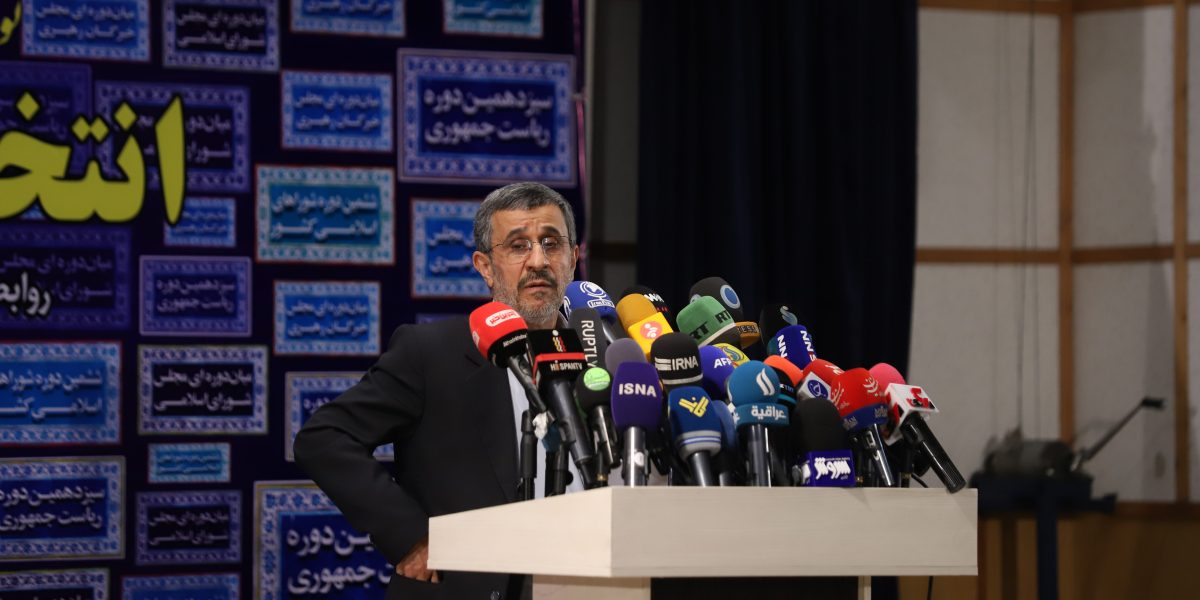
The recent revelations regarding Mahmoud Ahmadinejad’s controversial reemergence as a candidate for leadership in Iran have sparked significant discussion. A report from the New York Times reveals that both the United States and Israel considered him a potential figurehead to reshape Iran’s political landscape. This surprising stance casts doubt on the longstanding narratives promoted by Western leaders about Iran’s regime and the motivations that have driven conflict in the region.
Controversial Leadership Choices
Former President Ahmadinejad’s connection to numerous anti-democratic actions raises questions about the sincerity of U.S. and Israeli efforts to promote democracy in Iran. The 2009 protests following allegations of electoral fraud, famously known as the Green Movement, were violently suppressed under his administration. Ahmadinejad, who dismissed these protests as mere reactions to a soccer match, illustrates a troubling pattern of governance that is antithetical to democratic ideals. His past actions contradict claims from world leaders that they champion the freedom of the Iranian people.
Ahmadinejad’s sudden resurgence, especially amid speculation that he could be backed by foreign powers post-conflict, suggests a complex web of political maneuvering rather than a genuine concern for Iranian autonomy. The idea that U.S. and Israeli interests would align with a leader who has historically been an oppressor undercuts their narrative of promoting democracy and freedom in Iran.
Implications for Regional Stability
The dynamic between Iran and Western powers has predominantly focused on weakening Iran rather than empowering its populace. The notion that Ahmadinejad could serve as a pawn for U.S. and Israeli geopolitical aims sheds light on the motivations behind their military initiatives that have consistently destabilized the region. These actions seem less about liberation and more about control, further complicating perceptions of international intentions.
The recent bombing campaigns have targeted key Iranian figures, leaving many to wonder how Ahmadinejad could realistically assume power amidst the chaos. The calculations that led to these aggressive moves overlook the reality of Iranian political structure and societal loyalties. Ahmadinejad’s previous clashes with Supreme Leader Ayatollah Khamenei highlight the deep divisions within Iran’s power dynamics, suggesting that a successful reinstatement of his leadership would be far more challenging than proponents imagine.
Consequences of Misguided Policy
The consequences of these misguided policies have been catastrophic, not just for the Iranian people but for regional stability as a whole. The tumultuous geopolitical landscape has intensified amid continued conflict, further isolating Iran and exacerbating humanitarian crises. Reports indicate continued casualties and suffering among innocent civilians, raising ethical concerns about the ramifications of such high-stakes political strategies.
In the end, Ahmadinejad’s role as a potential puppet leader for foreign powers could usher in an era of further division and strife. The profound disillusionment with policies that neglect the voices of ordinary Iranians highlights a critical need for the international community to reconsider its approach. Listening to experts and local perspectives may yield more effective solutions aimed at fostering peace and stability rather than chaos and destruction.
Ultimately, whether or not Ahmadinejad resurfaces, the reality remains that his leadership is not aligned with the aspirations of a democratic Iranian populace. The implications of failing to engage with the complexities of Iran could serve to underline the tragic loss of lives and missed opportunities for reconciliation. The world must rethink its strategies and prioritize genuine dialogue and engagement over militaristic posturing if lasting peace is to be achieved.