
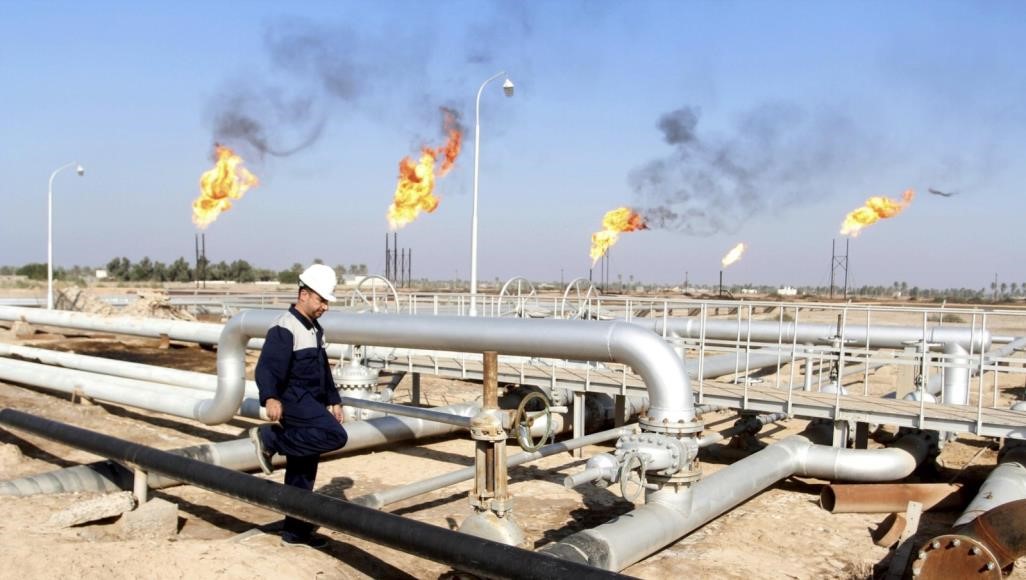
Iraq’s ambition to export four million barrels of oil daily, as outlined in its draft budget for 2027, is deemed unattainable by oil expert Hamza Al-Jawaheri. This assertion raises critical questions about the viability of Iraq’s oil exports in the near future.
Current Production and Export Capacity
According to Al-Jawaheri, Iraq’s crude oil production fluctuates between 4.3 and 4.6 million barrels per day. However, approximately one million barrels are allocated for domestic refineries, leaving around 3.5 million barrels available for export. Current challenges in exporting this remaining volume are attributed to the ongoing crisis in the Strait of Hormuz. Currently, Iraq manages to export between two million and 2.25 million barrels per day via both southern and northern routes. Under these circumstances, the target of four million barrels per day is unrealistic.
Even with the hypothetical reopening of the Strait of Hormuz, Al-Jawaheri estimates that Iraq’s maximum export capacity would only reach about 3.5 million barrels daily. This ongoing limitation highlights the need for the expansion of oil infrastructure, increased production, and adequate storage facilities to support higher export levels.
Budgetary Miscalculations on Oil Prices
In addition to the export challenges, Al-Jawaheri critiques the budget’s oil price assumption. The draft proposes a benchmark of $58 per barrel, which he insists is inflated. He argues that a more realistic figure would be around $40 per barrel, considering the current gloomy market conditions. This pricing strategy may mislead policymakers and investors about the fiscal landscape of Iraq’s economy.
Moreover, Iraq often sells its crude oil at steep discounts, making a higher oil price projection unsustainable. These factors play a crucial role in shaping the country’s economic strategy and the overall financial stability of its budget. By underestimating the complexities of the oil market, the Iraqi government risks making misguided financial plans.
The Future of Iraq’s Oil Exports
The projections for Iraq’s oil exports heavily rely on external conditions, including geopolitical stability and regional market dynamics. The current export scenario not only puts the nation’s economic future at risk but also underlines the importance of having diverse energy sources.
As Iraq strives to navigate these challenges, investments in infrastructure enhancements and strategic partnerships will be vital to improve both production capacity and export capabilities. With the global demand for oil fluctuating, it’s imperative for Iraq to adopt a more cautious approach to its fiscal planning.
In summary, the ambitions outlined in Iraq’s 2027 budget may need substantial revisions, taking into account both current export capacities and market conditions. Failure to adapt may lead to financial setbacks that could impede the nation’s economic growth and stability.