
Türkiye’s investment fund landscape is navigating through challenges, yet remains resilient according to the Central Bank’s recent statements. Despite ongoing investigations and the liquidation of several funds, there is no significant threat to the overall financial system. The Central Bank governor reassured stakeholders during a parliamentary meeting that the fundamental structure of the investment fund market continues to operate effectively.
Current Stability of the Fund Market
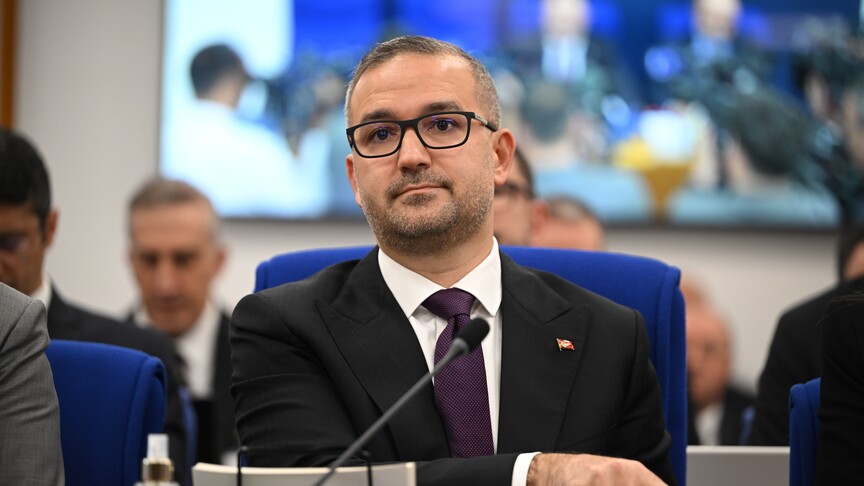
Fatih Karahan, the Central Bank governor, addressed lawmakers to outline the current state of Türkiye’s financial markets. He noted that any observed volatility has been limited to individual funds within a narrow segment. “We believe that the broader fund market continues to function stably and that there are no major issues impacting the financial system,” he explained. In response to recent market challenges, the Central Bank has raised its repo auction amounts significantly, increased borrowing limits for banks, eased collateral requirements, and accelerated bond purchases to mitigate any potential spillover effects.
The proactive measures taken by the Central Bank aim to bolster investor confidence. Karahan’s remarks suggest that the authorities are closely monitoring market conditions and are prepared to implement further actions as necessary to safeguard stability. This commitment is crucial, especially in light of the current economic landscape.
Trends in Fund Withdrawals
Recent data highlights a deceleration in fund outflows since late August, as a portion of these withdrawals has transitioned into bank deposits. Commercial and savings deposits have surged by over 800 billion Turkish liras (approximately $16.3 billion). Notably, the Turkish lira’s position remains stable, holding steady at around 61% to 61.4% even amidst these adjustments. Additionally, it’s worth mentioning that the three investment banks, whose shareholder rights were transferred to the Savings Deposit Insurance Fund, constitute just 0.2% of the entire banking sector. This insight reflects the limited systemic risk currently present within the market.
Challenges of Inflation and Policy Responses
Despite positive trends, Karahan acknowledged that inflation remains a concern, having decreased from 75% to approximately 30%, although it still falls short of targeted levels. He pointed out that persistent inflation in sectors such as housing and education, along with food and energy supply shocks, necessitates the maintenance of high interest rates. He emphasized that transitioning to low and predictable inflation is vital, stating that “disinflation is a necessary pursuit not to burden Türkiye, but because it is the only viable solution to today’s challenges.”
In conclusion, Türkiye’s investment fund market, while facing individual fund challenges, shows a strong overall performance without threatening the broader financial system. The Central Bank’s strategic interventions aim to address volatility while promoting stability. Looking ahead, careful monitoring and responsive policy adjustments will be essential in navigating the complexities of inflation and maintaining investor confidence in the nation’s financial landscape. As the situation evolves, the commitment to a stable financial market will play a critical role in Türkiye’s economic future.