
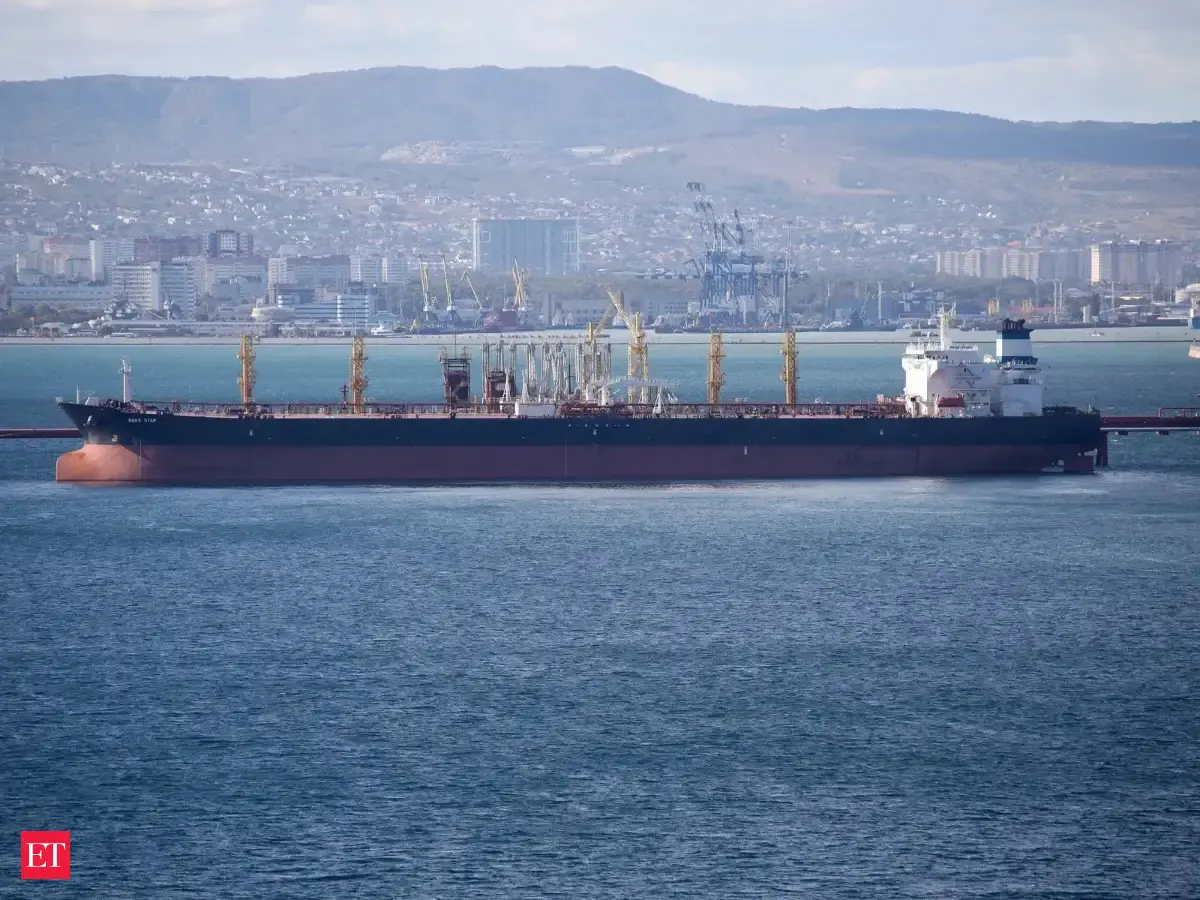
Chinese independent refiners are increasing their acquisition of crude oil from Iraq and Qatar, aiming to offset diminishing Iranian oil supplies. This shift comes at a time when exports from other Gulf nations via the Strait of Hormuz are regaining momentum, according to industry analysts. Private refiners show strong demand for non-sanctioned crude, which is helping stabilize the market following disruptions related to the ongoing US-Israeli tension with Iran.
Increased Imports from Iraq and Qatar
Reports indicate that Chinese buyers have secured at least 12 million barrels of crude oil from Iraq and Qatar through various trading houses, including Mercuria, Totsa, and Trafigura. Some traders estimate that total shipments could rise to between 15 million and 20 million barrels. These transactions were made at premiums ranging from $12 to $20 above the ICE Brent benchmark on a delivered basis. The bulk of these purchases consists of Iraqi Basra Medium and Heavy crude, which is among the more affordable Middle Eastern varieties.
Notably, firms like Hongrun Petrochemical and Qicheng Petrochemical have emerged as major buyers. Traders assert that Iraqi oil has become an essential benchmark for Chinese independent refiners, largely due to its consistent availability and quick delivery times. Additionally, Hongrun and Shenchi Petrochemical have reportedly purchased 3 million barrels of Qatar’s al-Shaheen crude, set to arrive in early November. Despite requests for comments, refiners have remained unresponsive, likely due to public holidays in China.
Decline in Iranian Oil Supplies
Historically, China’s independent refiners have depended significantly on discounted crude from sanctioned nations, particularly Iran. However, recent data shows a troubling trend: Iranian oil imports into China nearly halved in September compared to a year prior, dropping to approximately 590,000 barrels per day—the lowest since January 2023. This decline has major implications for China’s crude supply strategy, especially as the geopolitical landscape evolves.
Moreover, the amount of Iranian crude stored at sea has shrunk dramatically, decreasing from 100 million barrels in late July to around 45 million barrels. Notably, Iran did not export any crude oil in September for the first time since tracking began in 2013.
Challenges for Refining Margins
As exports via the Strait of Hormuz begin to recover, traders have reduced their offer prices to incentivize demand from Chinese independent refiners. One trader noted that buyers are hesitant to pay spot premiums exceeding $20 per barrel. Additionally, refining margins have come under pressure, creating further complications for these refiners.
Towards the end of September, refinery utilization rates in Shandong fell to approximately 55%, a decline from nearly 60% at the start of the month. This downward trend in efficiency can be attributed to falling margins, exacerbated by the price cap on fuel enforced by Chinese authorities while crude costs have surged. As a result, refiners have begun to incur losses, with reports indicating a deficit of 250 to 500 yuan (between $37.29 and $74.58) per metric ton by late September, starkly contrasting with early September profits of around 500 yuan per ton.
In summary, the shifting dynamics in the crude oil market are indicative of broader geopolitical and economic factors at play. As Chinese independent refiners pivot toward Iraqi and Qatari supplies in response to dwindling Iranian stocks, ongoing fluctuations in refining margins pose challenges that will require agile strategies and ongoing market assessments. The impact of these changes will resonate across the industry, potentially influencing future trading and refining practices in the region.