
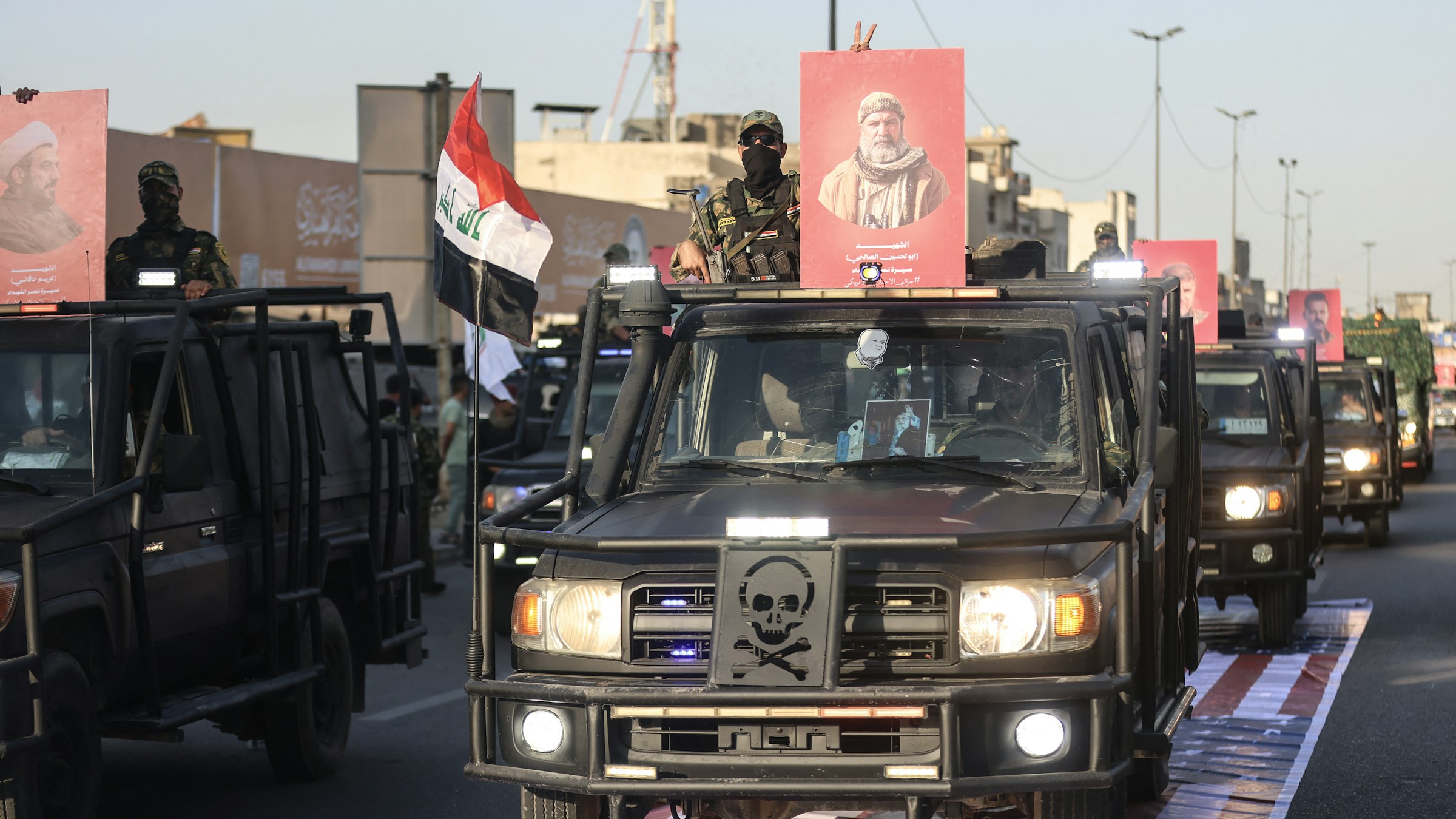
As the Coalition mission in Iraq comes to a close, uncertainty looms over the future role of the United States in the region. Amid rising tensions, recent events highlight the complex dynamics between federal authorities, local sentiments, and the influence of various factions, particularly those aligned with Iran.
Aftermath of the Coalition Mission
The withdrawal of the Coalition forces has left a vacuum that is yet to be filled. While the U.S. has ostensibly ended its military engagement, questions remain regarding its ongoing impact in Iraq. Various factions within the country are increasingly vocal about their stance on American presence, with some advocating for a stronger local governance free from foreign interference. The recent arrest of individuals accused of desecrating the American flag during Sovereignty Day celebrations has exacerbated these tensions and drawn international attention.
Iran’s Influence and Local Backlash
In this evolving landscape, the Iran-aligned militia group, Harakat Hezbollah Al-Nujaba, has responded to the recent crackdown by demanding a significant reduction of U.S. influence. Their involvement underscores the ongoing power struggle in Iraq, where local factions are often influenced by external players like Iran. This adds another layer of complexity to the already strained relationship between the Iraqi government and the various militias. As Baghdad works to strengthen ties with Washington, the calls from local factions for greater autonomy signal a pushback against foreign governance.
The Role of the Iraqi Government
The Iraqi government, under Prime Minister Ali Al-Zaidi, faces a challenging environment as it navigates these turbulent waters. Following incidents that were perceived as humiliating to national sentiments, Al-Zaidi initiated an investigation into military vehicles seen driving over Israeli and American flags. This move can be interpreted as an effort to pacify public outrage and to uphold national dignity. However, it simultaneously raises questions about the balance of power within the government and its ability to manage internal dissent against the backdrop of foreign influence.
Future Prospects for U.S.-Iraq Relations
As discussions about the future U.S. role in Iraq continue, it is essential to recognize the nuanced perspectives that exist. While some in the Iraqi government seek to enhance relations with Washington, they must also contend with local factions that oppose U.S. presence. This duality complicates the ongoing dialogue, leading to unpredictable outcomes. The pressing need for a coherent strategy that respects Iraqi sovereignty while addressing security concerns is critical for an effective partnership moving forward.
In conclusion, the recent events in Iraq reflect a complex and evolving political landscape. As the region braces for potential shifts in power dynamics, the future of U.S. involvement remains uncertain. The interplay between Iranian influence, local governance, and international relations forms a pivotal backdrop that will shape Iraq’s trajectory in the years to come. With all eyes on Baghdad, the delicate balance between sovereignty and foreign influence continues to be a pressing issue that must be navigated carefully.