
A recently identified species, Herugavialis cairensis (H. cairenis), represents a new member of the gavial family. Gavials are a unique group of freshwater reptiles, easily recognized by their elongated, slender snouts. Currently, there are just two extant species: the gharial (Gavialis gangeticus) and the false gharial (Tomistoma schlegelii), both of which inhabit regions in the Indian subcontinent and Southeast Asia.
Fossil Discoveries in Egypt
The Mediterranean basin has a rich fossil history, with many extinct crocodilian species having been discovered in the region. In the 1920s, significant fossil findings emerged from the Mokattam Formation in northern Egypt. This limestone site, dating back to the Middle Eocene period approximately 45 million years ago, is notable for its geological and archaeological significance. Material excavated from this location was instrumental in constructing renowned monuments such as the Pyramids of Giza and the Great Sphinx. Additionally, the site boasts an impressive variety of marine fossils.
Among the fossils unearthed in the 1920s, a nearly complete skull was initially categorized as belonging to the genus Tomistoma, reflecting its similarities to the current false gharial. However, advancements in paleontological techniques, particularly micro-CT scanning, have enabled researchers to delve deeper into the anatomical differences between the false gharial and the fossils from the Mokattam Formation.
Revised Taxonomy and Research Findings
Traditionally classified as Tomistoma cairense, new assessments of the skull’s anatomy reveal that it has distinct variations when compared to existing false gharials. A recent study published in the Royal Society Open Science provides a detailed examination of these differences, substantiated by phylogenetic analysis, which investigates the evolutionary lineage of species. This groundbreaking research underscores the profound advancements in technology that have allowed modern scientists to redraw the lines of classification among these ancient creatures.
Significance of the Name
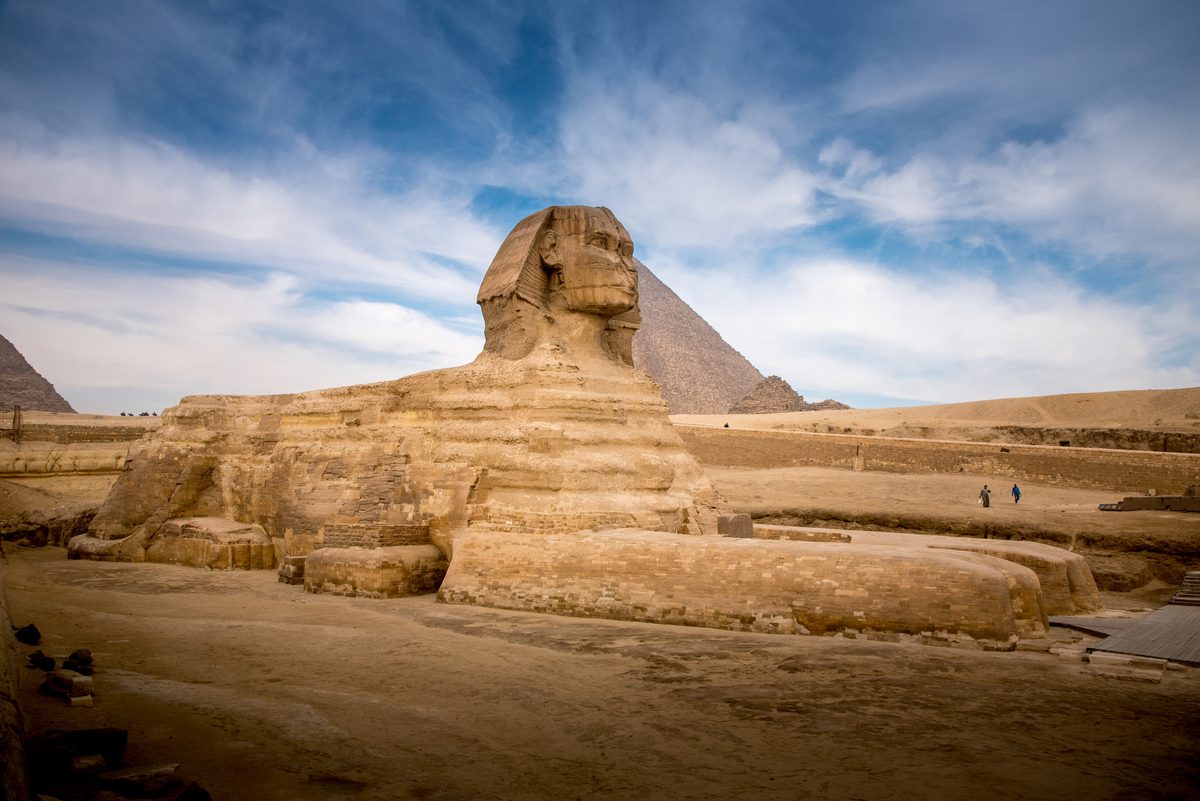
The name Herugavialis cairensis carries a poignant connection to Egyptian culture. Just as the Great Sphinx is famously known for its missing nose, the skull of H. cairenis also lacks its snout’s tip. Researchers humorously noted this similarity when determining the species’ name, opting to honor the Egyptian deity Heru, who is often associated with significant Egyptian monuments. Philip Mannion from University College London, who co-led the study, eloquently expressed the symbolic connection between the new crocodile and the mysterious legacy of the Sphinx.
Despite the absence of crocodilian species in the Mediterranean today, H. cairenis was not the sole gavialoid of its time; other fossils have been discovered in areas such as Morocco, Egypt, and Italy. The Mediterranean region once boasted a remarkable diversity of crocodile species, including gavials, over the past 50 million years. Researchers, including lead author Paul Burke from the Swedish Museum of Natural History, explain that fluctuations in global temperatures and sea levels influenced this diversity before the eventual decline of all crocodilians in the region, a trend that aligned with the drying of the Mediterranean about six million years ago.
Through this exploration of Herugavialis cairensis, we gain not only insights into the evolutionary history of crocodiles but also a deeper appreciation for the ecological and environmental changes that shaped their existence in ancient times.