
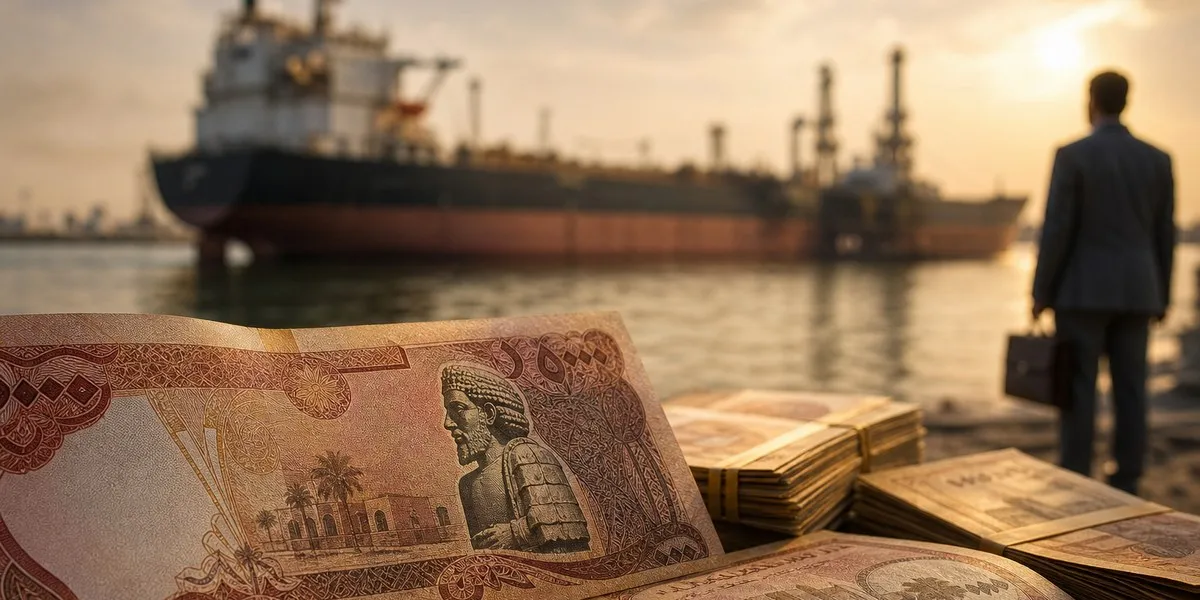
Iraq has taken a significant step by officially devaluing its currency, now setting the exchange rate at 1,500 Iraqi dinars for every US dollar. This decision stemmed from a recommendation by the Central Bank and was approved by the country’s Council of Ministers. Such a move reflects the ongoing economic challenges Iraq faces amid external pressures and market fluctuations.
New Exchange Rates for Financial Transactions
Following the Central Bank’s directive, the new currency policy outlines distinct rates for different entities. The Central Bank will purchase dollars from the Ministry of Finance at 1,500 dinars per dollar. Financial institutions, including banks, will acquire the currency at a slightly higher rate of 1,510 dinars, while everyday citizens will see a rate of 1,520 dinars per dollar. To implement this change, licensed banks, electronic payment services, and exchange offices have been directed to update their systems and communicate this shift by the start of business on Tuesday, thereby ensuring a smooth transition.
Underlying Factors Behind the Devaluation
This marks the second significant devaluation of the Iraqi dinar within six years. The first major adjustment happened in December 2020, when the Central Bank adjusted the rate from 1,182 to 1,450 dinars per dollar amid economic turmoil caused by the Covid-19 pandemic and declining oil prices. Eventually, under previous governance, the official exchange rate was revised to 1,320 dinars per dollar. The current devaluation is driven by heightened cash shortages and a tense geopolitical environment, particularly following the outbreak of conflict between Iran and Israel, as well as disruptions in the Strait of Hormuz. Depending heavily on oil exports, which constitute over 90% of Iraq’s dollar revenue, the country cannot afford to lose stability in this sector.
Impacts of the Devaluation on the Economy
With rising costs due to increased ship insurance, delays in tanker movement, and discounted oil prices affecting the nation’s foreign currency revenues, a weaker dinar might provide the government with more local currency for each dollar earned from oil sales. However, this devaluation also brings unintended consequences, particularly for the prices of imported goods, such as food, medicines, vehicles, and construction materials, all of which are likely to see a sharp rise in cost.
As the Iraqi economy evolves under these new circumstances, it remains critical for citizens and businesses to stay informed about the financial landscape. The recent currency devaluation presents both challenges and adjustments, requiring careful navigation to mitigate the potential negative effects while striving for economic stability.
In conclusion, the devaluation of the Iraqi dinar is a complex move influenced by both domestic and international factors. As the nation grapples with these changes, stakeholders across all sectors are urged to prepare for an economic environment characterized by increased prices but possibly enhanced revenues from oil exports.