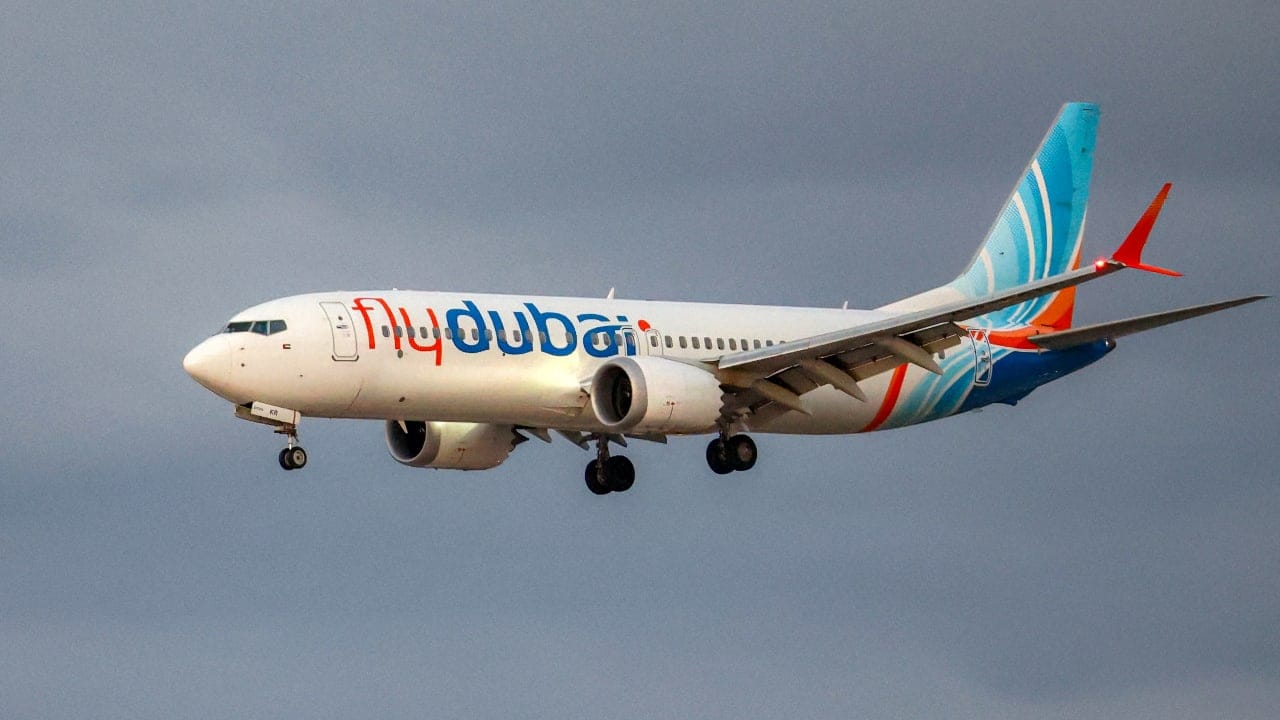
Saudi Arabia has initiated a safety investigation into an air accident that involved a flydubai flight. The inquiry follows a serious incident where a co-pilot reportedly attacked the captain, raising critical questions about aviation safety protocols and international cooperation in the aftermath of an attempted sabotage.
Background of the Incident
The trouble occurred on September 30, when the co-pilot attempted to bring down the flydubai aircraft, which was en route to Israel, with what appeared to be a deliberate act of violence. Although safety investigations are a common practice following aviation incidents, they are not mandated for premeditated actions. Nonetheless, the situation has prompted Saudi regulators to evaluate how international safety norms can apply amidst criminal inquiries.
h2>International Protocols and Investigations
Saudi Arabia’s National Transport Safety Center, responsible for accident investigations, has signaled its intent to comply with international guidelines by conducting a thorough safety investigation. This investigation was communicated to various global aviation authorities, indicating Saudi Arabia’s transparency in handling the incident. Experts believe this move could serve as a test case for international cooperation in aviation safety, as it seeks to develop recommendations while refraining from placing blame.
In conjunction with Saudi Arabia’s efforts, the UAE has also opened a criminal investigation into the event, deeming it a “terrorist attack.” Given that the aircraft is registered in the UAE and the airline operates from Dubai, the UAE’s involvement in the investigations is not only expected but also necessary under international law.
Impact on Aviation Safety
The implications of such incidents extend beyond immediate safety concerns; they pose questions about the effectiveness of current regulations for preventing such acts of violence aboard commercial flights. The involvement of international bodies, including the U.S. National Transportation Safety Board, is likely, as the Boeing 737 MAX aircraft that survived the incident was manufactured in the United States. Their technical insights can enrich the investigation’s depth.
Additionally, Israel has expressed its willingness to participate in the Saudi-led safety investigation. Although diplomatic relations between Israel and Saudi Arabia are not established, the mutual focus on improving air safety protocols may pave the way for cooperation across borders in such sensitive contexts. The Israeli Aircraft Safety Investigation Authority awaits formal communication from Saudi officials to participate.
Conclusion: The Way Forward
The actions taken by both Saudi Arabia and the UAE reflect an understanding of the critical necessity for rigorous aviation safety frameworks in the face of unusual threats. These incidents trigger a broader dialogue around the need for enhanced safety measures and international collaboration among aviation authorities. As the investigations unfold, they hold the potential to influence global aviation policies and strengthen safety regulations, ensuring that passengers are better protected from similar threats in the future.
In this era of complex global travel, the importance of aviation safety cannot be overstated, and proactive measures are essential to restore public confidence in airline travel.