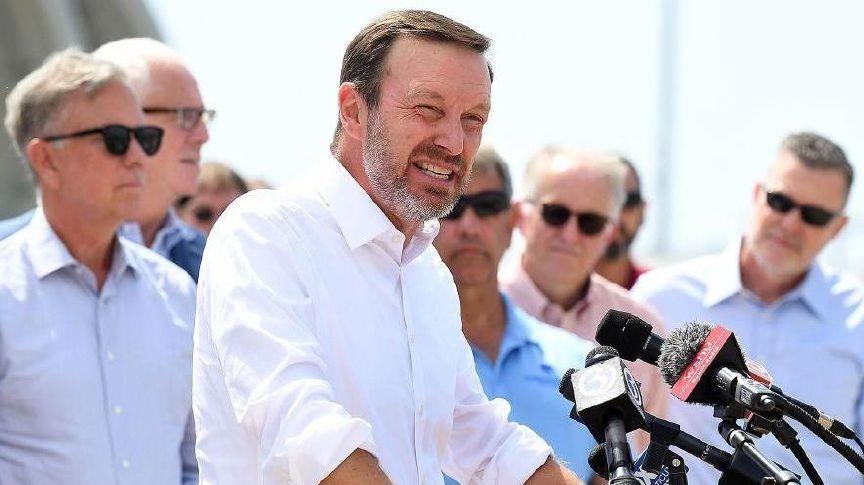
Murphy shared his experience of being barred from a U.S. military base during his recent trip to the Middle East, marking a notable first in his visits to military installations.
Unexpected Denial of Access
During Murphy’s recent journey to the Middle East, he encountered an unprecedented situation when he was denied entry to a U.S. military facility. This incident stood out as it was the first time throughout his numerous visits to military sites in the region that such an occurrence took place. The reasons behind the refusal were not stated, leaving many to ponder the implications of restricted access for those who aim to understand military operations and support troops stationed abroad.
Importance of Military Visits
Visits to military installations serve a dual purpose. For representatives like Murphy, they offer an essential glimpse into the lives of service members and the conditions under which they operate. These interactions provide vital context for public officials, enabling them to make informed decisions regarding defense policies and resource allocation. Moreover, direct engagement fosters transparency and allows for conversations surrounding the challenges and accomplishments faced by the military on a day-to-day basis.
Impact on Public Perception
Denial of access to military bases can affect public perception significantly. In instances where officials are barred from visiting, it can lead to speculation surrounding the decisions made by military command and government officials. Transparency is crucial at such times, as citizens depend on their representatives to be informed and engaged with the realities faced by service members. When access is limited, it raises questions about accountability and the extent to which information is shared with the public.
Future Considerations
Looking ahead, the implications of Murphy’s denial of access may prompt discussions on policies surrounding military visits. Increased conversations may arise about the need for improved communication between military leadership and elected officials, especially regarding the rationale for limiting access. This situation highlights the importance of collaboration and transparency between branches of government and military organizations to ensure that voices are heard, and circumstances are fully understood.
In summary, Murphy’s experience of being denied access to a U.S. military facility during his Middle Eastern visit underscores the complexities of military engagements and the need for open lines of communication. Such incidents can influence public perception and emphasize the importance of transparency in military operations. As discussions surrounding these policies evolve, it will be critical to ensure that both service members and public representatives are able to engage on matters affecting national security and military welfare.