
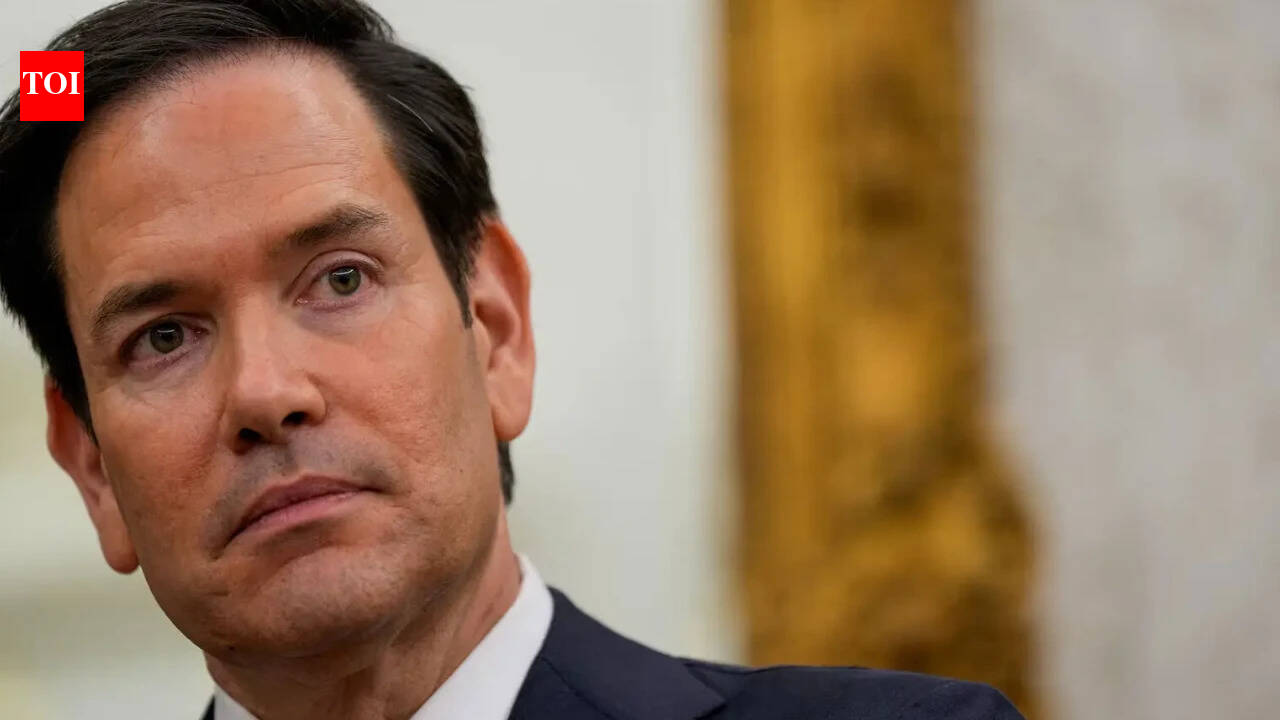
In a recent discourse regarding Iran’s nuclear capabilities, U.S. Secretary of State Marco Rubio articulated a definitive stance: Iran will not be permitted to develop nuclear weapons. His statements underscore the urgency of reducing Iran’s nuclear enrichment as a prerequisite for any resolution to ongoing conflicts.
Clear Stance on Iran’s Nuclear Ambitions
During a press briefing in Athens, Rubio emphasized the firm U.S. position against Iran obtaining nuclear arms, stating, “Iran cannot have a nuclear weapon, simple, period and end of story.” He highlighted that any agreement acceptable to the United States must ensure that Tehran cannot pursue a nuclear weapon in the future. This declaration resonates with a broader strategy aimed at limiting Iran’s nuclear enrichment capabilities, crucial in the context of rising tensions in the region.
Rubio’s comments aligned with U.S. Vice President JD Vance’s remarks, which called for concrete actions from Iran concerning its nuclear program. Vance rejected any assurances from Tehran without significant reductions in uranium enrichment levels. “If you don’t want a nuclear weapon, then why do you need 60% enriched fuel?” he queried, advocating for tangible measures to demonstrate Iran’s commitment to not progressing toward nuclear armament.
Military Developments and Sanctions
The pressure on Tehran does not only revolve around nuclear capabilities but extends to its conventional military developments. Rubio accused Iran of strengthening its military to safeguard its nuclear sites against potential foreign attacks. The Iranian government has reportedly amassed significant stockpiles of ballistic missiles and drones capable of retaliation. Rubio remarked on the previous administration’s efforts to diminish these capabilities, asserting, “He destroyed their drone program, their drone manufacturing capability,” in reference to former President Trump.
The Secretary of State further elucidated that the weakening of Iran’s conventional military forces has lessened the nation’s ability to defend its nuclear facilities. As a result, Rubio confidently declared, “They will never have a nuclear weapon, period.” This illustrates a crucial aspect of American strategy aiming to curb Iran’s military expansion while ensuring its nuclear ambitions are kept in check.
Economic Strain on Iran
In addition to military aspects, Rubio painted a dire picture of Iran’s economic condition, stating that U.S. sanctions have severely affected its economy. He reported that the Iranian financial system is experiencing significant decline, attributing this downturn to the government’s misallocation of resources to regional armed groups instead of domestic economic stability. Rubio’s commentary pointed to a troubling trend where funds are directed to entities like Hezbollah and Hamas, detracting from the Iranian public’s well-being.
Despite these sanctions, Rubio noted a recovery in oil shipments through the Strait of Hormuz, where oil flow has nearly returned to pre-conflict levels. This observation reflects a broader geopolitical dynamic, indicating that while sanctions impose challenges, the global energy landscape continues to adapt.
In summary, the U.S. remains firmly resolute in preventing Iran from obtaining nuclear weapons, strongly advocating for concrete actions rather than mere promises. Both military and economic angles play critical roles in this ongoing conflict, and the future of Iranian nuclear ambitions hinges significantly on Washington’s strategy and interventions.