
Turkey has positioned the ongoing conflict in the Black Sea as a central focus of its national security agenda. The government is actively monitoring the implications of these hostilities on regional stability and has committed to maintaining a responsible and balanced demeanor in its approach.
Emphasis on Black Sea Security
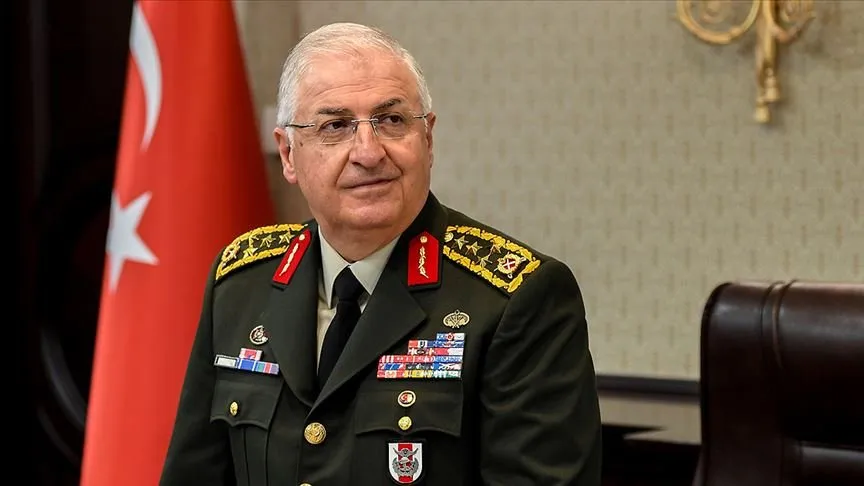
The Turkish Minister of National Defense, Yasar Güler, stated that Turkey is keenly aware of the evolving security dynamics in the Black Sea, alongside developments in the Caucasus region and the Middle East. According to Güler, the ongoing war in the Black Sea poses significant risks that must be addressed, emphasizing the importance of regional stability throughout various geopolitical landscapes. As he articulated, the situation in Cyprus and the Eastern Mediterranean is also critical to Turkey’s security policy.
Güler reiterated this commitment, stating, “In the Black Sea, we are closely observing how the war influences regional security. We continue our balanced approach to ensure stability.” This stance highlights Turkey’s intention to navigate a complex web of international relations while safeguarding its interests.
Promoting Stability in the Caucasus and Beyond
In a separate discussion regarding the Caucasus, Güler pointed out Turkey’s support for establishing lasting peace and enhancing regional stability. The Turkish government advocates for increased cooperation opportunities among neighboring nations, acknowledging that lasting peace is vital not only for Turkey but also for the entire region.
The Turkish Minister’s remarks come amid heightened tensions and military activities, making it clear that Turkey views its role as pivotal in maintaining peace and order. The country’s strategic actions will likely continue to focus on fostering a cooperative environment while addressing security threats.
International Perspectives and Regional Cooperation
In the backdrop of Turkey’s concerns, European Commission President Ursula von der Leyen condemned recent attacks on civilian vessels in the Black Sea, especially those affecting Bulgarian and Romanian waters. She highlighted the European Union’s unwavering support for its eastern member states, underlining the collective commitment to defend maritime safety.
In addition, India has entered the fray, engaging in discussions with both Ukraine and Russia to secure safe passage for merchant vessels in the Black Sea. New Delhi aims to facilitate not only the transport of goods but also critical resources like grain and energy, indicating a burgeoning international effort to stabilize the region amidst escalating tensions.
In summary, Turkey has identified the conflict in the Black Sea and its associated security concerns as fundamental to its national interests. By adopting a measured approach, Turkey seeks to navigate the complexities of regional dynamics, emphasizing cooperative efforts and international support to achieve lasting security and stability in the troubled waters of the Black Sea and beyond. This multifaceted strategy underscores Turkey’s role as a key player in regional security, addressing not only national priorities but also broader international concerns.