
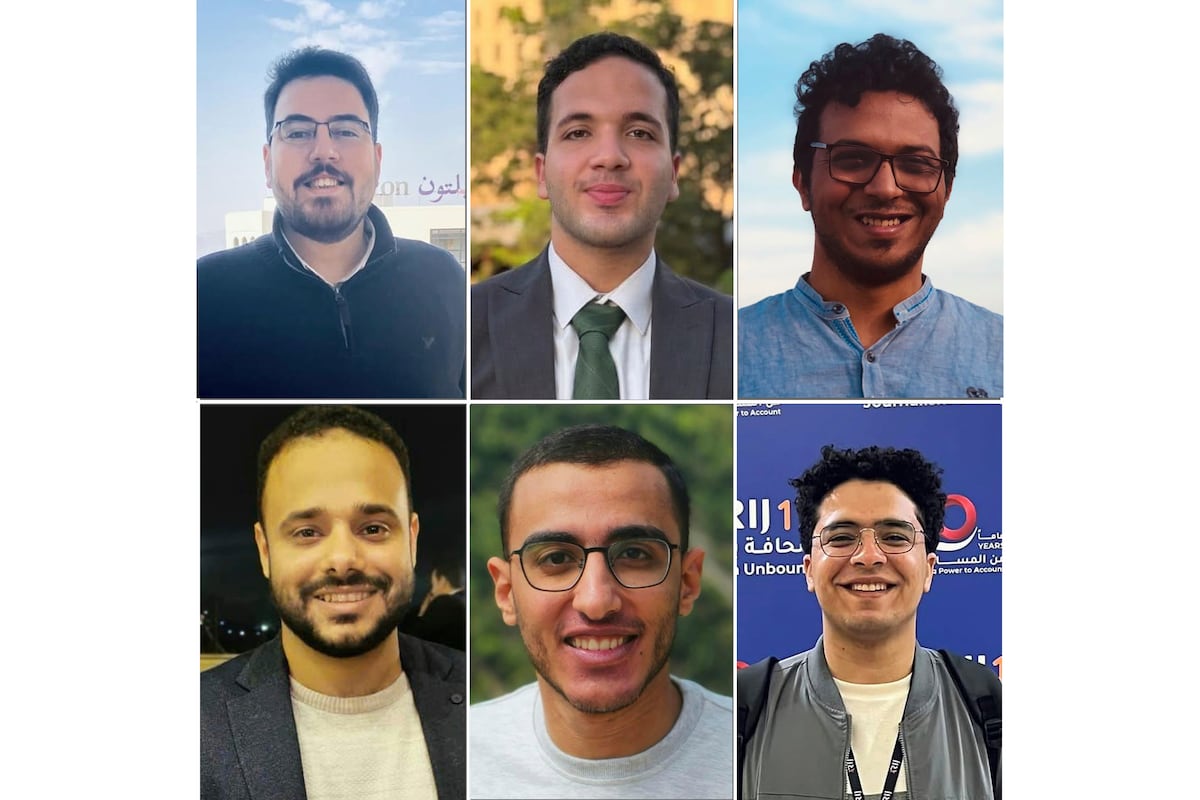
In a troubling development for press freedom in Egypt, authorities have arrested six journalists from Matsaddash, the nation’s prominent fact-checking platform. This action has raised serious concerns about the state of media in the country, with reports of torture emerging from their detention. Human rights organizations are alarmed, highlighting this as a significant escalation against journalists and a stark illustration of the shrinking space for independent media in Egypt.
Arrest of Journalists and Allegations of Torture
The incidents unfolded at the end of September when the Egyptian Initiative for Personal Rights (EIPR) revealed the arrests took place between Monday and Tuesday of that week. Reports indicate that security forces conducted unannounced searches of the journalists’ homes, confiscating personal belongings, including phones and laptops, without any legal warrants. Families were left in the dark about the fate of the detained individuals, adding to the distress of the situation.
The Egyptian Interior Ministry later accused the journalists of having ties to the Muslim Brotherhood, deemed a terrorist group by the government since 2013. They also claimed that the journalists aimed to destabilize the nation by spreading misinformation. In response, Matsaddash has denied these accusations, asserting that it does not operate as a foreign-controlled entity or receive outside funding. The journalists have publicly refuted claims of any ties to terrorist organizations, insisting they were merely fulfilling their roles as independent media professionals.
Detention Conditions and Government Denials
After being missing for five days, the six journalists were finally presented before the Supreme State Security Prosecution, where they alleged instances of brutal torture during their detention. Reports from the EIPR detailed a range of abuses, including physical beatings, electric shocks, and forced nudity. The journalists reported being coerced into giving fabricated confessions while held in degrading conditions, such as being blindfolded and having their hands bound. Despite these serious allegations, the Egyptian Interior Ministry has denied any wrongdoing, maintaining that the journalists showed no visible injuries during their apprehension.
The national authorities contend that the journalists sought to incite unrest and discontent among the populace. Legal representatives for the journalists claim to have received documentation indicating that the basis for their arrest revolves around this alleged agitation. However, the lack of clarity regarding their whereabouts has left families and advocates anxious and concerned.
Growing Tensions for Independent Media in Egypt
This severe crackdown on press freedom hasn’t gone unnoticed. Over fifty organizations advocating for human rights and freedom of information voiced their demands for the immediate release of Matsaddash’s journalists. Current estimates indicate that around 25 journalists remain imprisoned in Egypt, with EIPR director Hossam Bahgat commenting that this event marks an unprecedented moment in Egyptian journalism’s history.
In recent weeks, tensions have escalated further. Another journalist, Rasha Azab, received a summons to appear before authorities after participating in a sit-in to advocate for the release of her detained colleagues. Though Azab was released on bail, the circumstances surrounding her questioning raised concerns about a broader crackdown on journalists in Egypt.
The actions against Matsaddash underscore the increasingly hazardous landscape for journalists in Egypt, painting a grim picture of the stakes involved in reporting the truth. The reported torture and the systematic targeting of media professionals point to an atmosphere of fear, where independent journalism faces existential threats.