
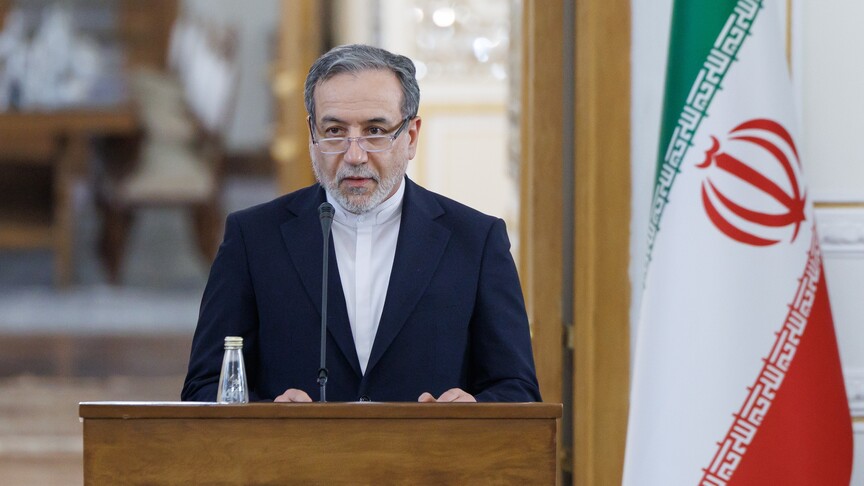
Iran is currently analyzing feedback from the United States regarding its proposed seven-day initiative aimed at reopening the crucial Strait of Hormuz. As stated by Foreign Minister Abbas Araghchi, Tehran intends to provide a formal response to the American stance within a few days. This initiative is a significant development in the ongoing dialogue between the two nations, particularly concerning the vital trade route.
The Proposed Seven-Day Initiative
The so-called “seven-day plan,” as outlined by Araghchi, is centered on re-establishing access to the Strait of Hormuz and restarting negotiations with Washington. According to the Iranian foreign minister, Iran is ready to facilitate the reopening of this strategic waterway within a week, contingent on an affirmative response from the U.S., relayed through Qatari mediation. The plan stipulates that the United States should take agreed actions within the first four or five days, paving the way for normal navigation to resume on the sixth day. The final negotiations for a long-term agreement would then commence on day seven.
Iran’s prerequisites include several conditions, such as ceasing hostilities, releasing frozen Iranian assets, lifting restrictions on oil exports, and terminating the U.S. naval blockade on Iranian ports. This plan was initially brought up during discussions mediated by Qatar amidst indirect conversations between Iran and the U.S. during the United Nations General Assembly in September.
Breaking Down the Tensions in Hormuz
The Strait of Hormuz has been a focal point of tension, with Iran maintaining restrictions in response to unfulfilled U.S. commitments outlined in a June memorandum of understanding. Tehran insists that the waterway will remain partially closed until its demands are satisfied and U.S. obligations are met. Recently, the situation escalated following a military engagement initiated by the U.S. and Israel against Iran, which led Tehran to respond with missile and drone strikes in the region, effectively deepening the blockade of Hormuz.
The initial memorandum of understanding signed in June was intended to ensure freedom of navigation through the Strait, but progress has been hindered by ongoing disagreements over security agreements in this strategic area. The recent military confrontations and hostile rhetoric have further strained relations, making diplomatic engagements more crucial than ever.
While the negotiation process is still underway, and messages are being relayed through intermediaries, the urgency of the situation continues to escalate. The global economy relies heavily on this strategic strait, which accommodates a significant portion of the world’s oil trade. As such, a resolution to the ongoing tensions could have far-reaching implications not only for Iran and the U.S. but also for international markets and global stability.
In summary, Iran’s willingness to consider a seven-day plan for reopening the Strait of Hormuz represents a potential turning point in its negotiations with the United States. However, the path to a conciliatory resolution remains fraught with challenges, and much will depend on both parties’ readiness to engage in constructive dialogue. The coming days will be pivotal in determining whether or not this initiative leads to a more stable maritime environment in one of the world’s most vital trade routes.