
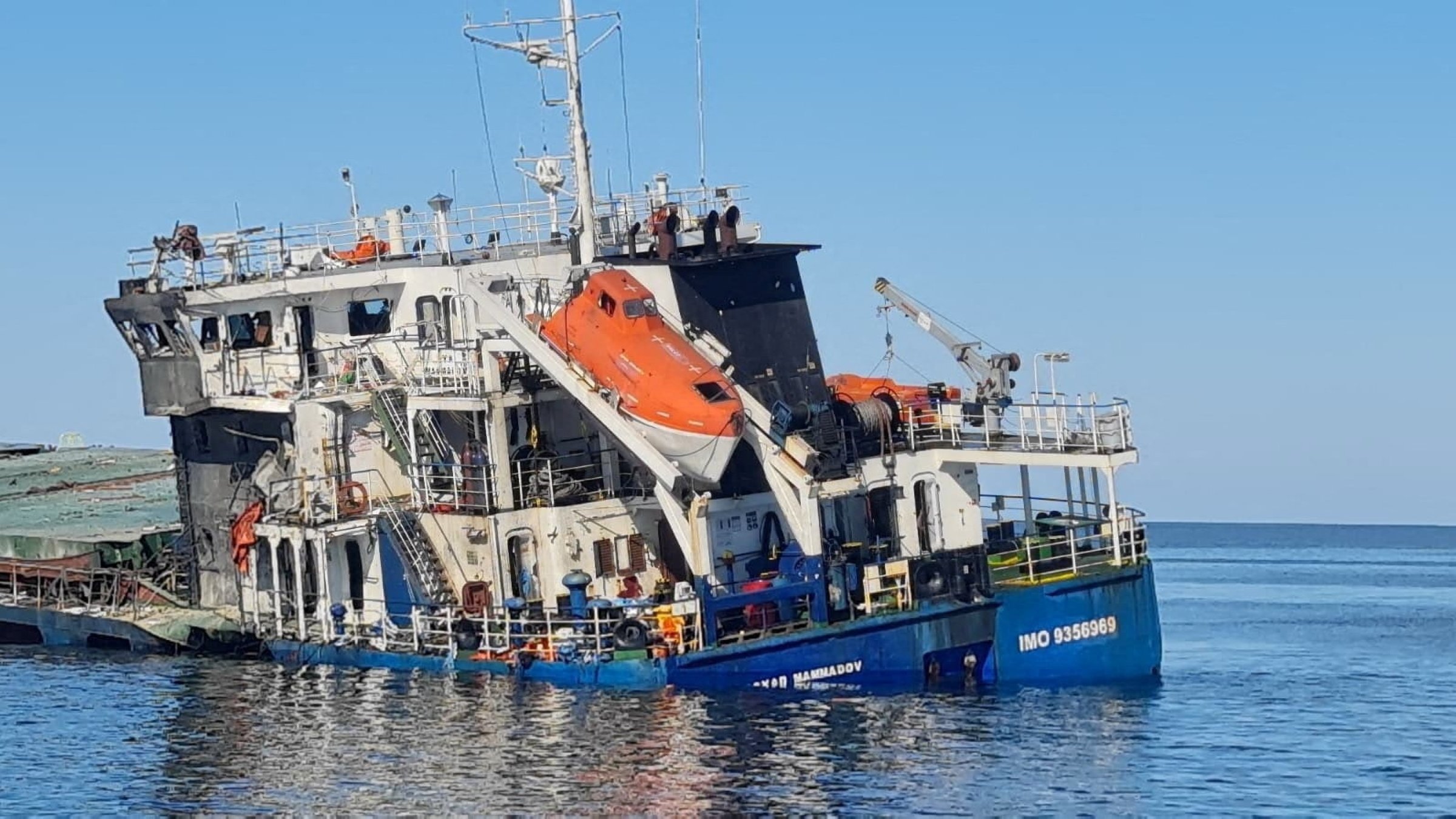
The Black Sea has evolved into a critical security zone, particularly after Russia’s full-scale invasion of Ukraine on February 24, 2022. No longer just a body of water, it now embodies geopolitics intertwining military strength, commercial shipping, energy security, agricultural supplies, maritime laws, and technological advancements. As tensions have escalated, this region has garnered the attention of global powers, making its stability a pressing concern.
Shifting Security Dynamics
One of the most profound changes has been the way maritime warfare is conducted. Ukraine’s innovative use of unmanned surface vessels, advanced missiles, drones, and satellite mapping has showcased how a nation can effectively challenge a more powerful navy without needing a traditional fleet. The Black Sea is now a testing ground for employing low-cost, unmanned technologies that can disrupt commercial shipping and threaten naval assets. Incidents involving tankers linked to Russia’s “shadow fleet” have emphasized the immediate risks that the conflict poses to Turkish waters, illustrating that maritime security must now encompass not just military vessels but also unmanned systems, commercial traffic, and critical infrastructure.
Türkiye stands at a unique intersection in this evolving landscape, controlling the Turkish Straits and bound by the Montreux Convention, while being a NATO ally with open relationships with both Ukraine and Russia. This multifaceted role grants Ankara not only significant influence within the Black Sea but also a responsibility to foster a more stable security order in the region. Türkiye’s diplomatic strategy effectively balances its support for Ukraine with its ongoing communication with Russia, providing it unique leverage. Yet, this role should extend beyond mere balance management; Türkiye could advocate for effective rules and mechanisms that enhance safety in the Black Sea.
Maritime Security Framework
Central to this security dynamic is the Montreux Convention of 1936, which governs naval passage through the Turkish Straits and imposes crucial restrictions during wartime. Its significance has been amplified by the ongoing conflict, as Türkiye’s enforcement has limited the naval capabilities of both warring parties and deterred non-Black Sea nations from deploying unrestricted naval forces in the area. Rather than seeking to supplant the Montreux Convention, Türkiye’s goal should focus on enhancing the stability it offers, supporting legal frameworks that reinforce rather than jeopardize regional stability.
The redefined nature of naval power now emphasizes advanced technologies over conventional fleet size. Unmanned vehicles, precise weaponry, and electronic warfare redefine what it means to assert naval dominance. Türkiye’s ongoing naval modernization projects — such as the MILGEM corvette program and advancements in submarine technology — should align with this paradigm shift toward integrated networks of unmanned and manned systems, marking a dual opportunity for defense and advancement.
Strategies Beyond Combat
Furthermore, the conflict has highlighted vulnerabilities beyond traditional military assets; the protection of underwater infrastructure, including energy pipelines and communication cables, has become paramount for modern economies. Türkiye’s collaboration with Romania and Bulgaria in the Black Sea Mine Countermeasures Task Group illustrates how practical cooperation can still occur amid geopolitical tensions. This partnership could pave the way for expanded efforts in maritime domain awareness and the safeguarding of crucial underwater assets, offering a framework for crisis response.
The importance of the Black Sea transcends military implications and extends to global economies, as demonstrated by the Black Sea Grain Initiative, which efficiently moved millions of tons of agricultural goods before its cessation. Recent attacks on vital port infrastructures underscore the fragility of commercial supply chains, making it imperative for Türkiye to focus on protecting not just naval assets but also commercial routes that are vital for economic connectivity. The need for a comprehensive maritime security plan that incorporates these elements becomes evident, emphasizing collaboration among Black Sea nations anchored in international law.
In summary, the outcomes of the ongoing war will inevitably reshape the Black Sea’s security landscape, and Türkiye is poised to play a pivotal role in that transformation. The overarching question remains: what kind of Black Sea will emerge post-conflict? A fragmented and militarized region poses risks, while a stable maritime environment bolstered by international cooperation and legal frameworks would better safeguard Türkiye’s interests. By leveraging its unique geographic and diplomatic standing, Türkiye can effectively influence the formation of a new security order in the Black Sea, ensuring that its fundamental interests are preserved.