
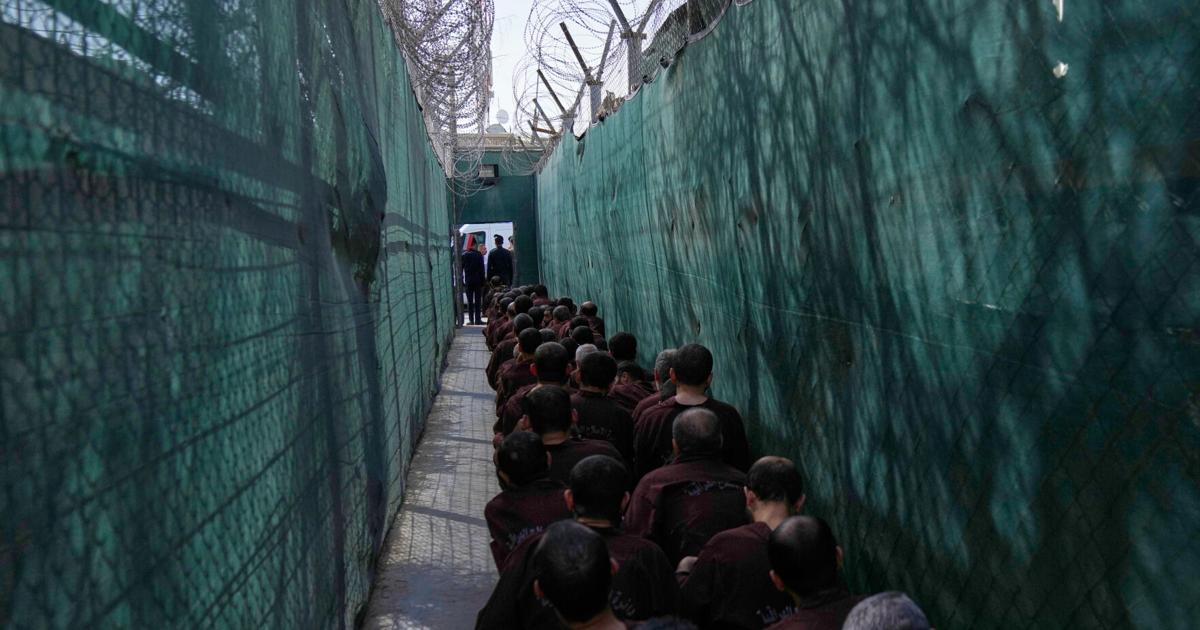
Iraq has firmly rejected Syria’s plea to return thousands of suspected Islamic State militants who were moved from various detention facilities in Syria to Iraqi oversight earlier this year. This decision underscores growing tensions in the region regarding the management of extremist threats and the burden of handling returning detainees.
Background of the Situation
The transfer of these individuals came as part of broader security efforts against the Islamic State group, which has continued to pose challenges despite losing territorial control. Syria, which has been in a prolonged state of conflict, has been struggling to manage its own detainees associated with the Islamic State. The Syrian authorities argued that the repatriation would effectively allow them to handle their security issues more efficiently, particularly in the aftermath of the territorial losses faced by the Islamic State.
The situation draws attention to the complex geopolitics of the Middle East, where regional actors are often at odds over security and humanitarian concerns. Iraq’s refusal hinges on fears that transferring these detainees back could exacerbate their own security challenges. Many in Iraq recall the devastating impacts of the Islamic State’s reign, including significant loss of life and widespread destruction. The Iraqi government is thus highly cautious about any moves that could potentially allow these militants to regroup.
Implications for Regional Security
The denial of Syria’s request highlights significant concerns regarding regional stability. Iraq has made remarkable progress in recent years in terms of counter-terrorism, but the presence of many Islamic State members under its jurisdiction remains a complex issue. If these individuals were to be returned to Syria, it could further destabilize an already precarious situation, not only in Syria but across the broader region.
Moreover, the management of detainees linked to the Islamic State poses challenges for both nations. As the situation evolves and the global community continues to grapple with the fallout from extremist groups, both Iraq and Syria must navigate their own strategies to address security, rehabilitation, and future prevention.
Future Actions and International Response
Moving forward, the international community must consider their roles in supporting both Iraq and Syria in managing these detainees. Humanitarian assistance, alongside a coordinated approach to counter-terrorism, will be essential for long-term stability in the area. Iraq has called for international support to ensure that these militants do not jeopardize the security gains made in recent years.
Syria, on the other hand, must continue seeking assistance to create safe environments for its citizens while ensuring that captured fighters do not have the opportunity to re-engage in terrorist activities. The international community’s response will likely determine how effectively both nations can control the narrative and reality surrounding the threats posed by the Islamic State.
In conclusion, Iraq’s decision to deny Syria’s request for the repatriation of Islamic State suspects reflects not only concerns for national security but also broader regional implications. As both nations grapple with the legacy of these militants, it becomes increasingly vital for them and the international community to develop sustainable solutions that address the challenges at hand.