
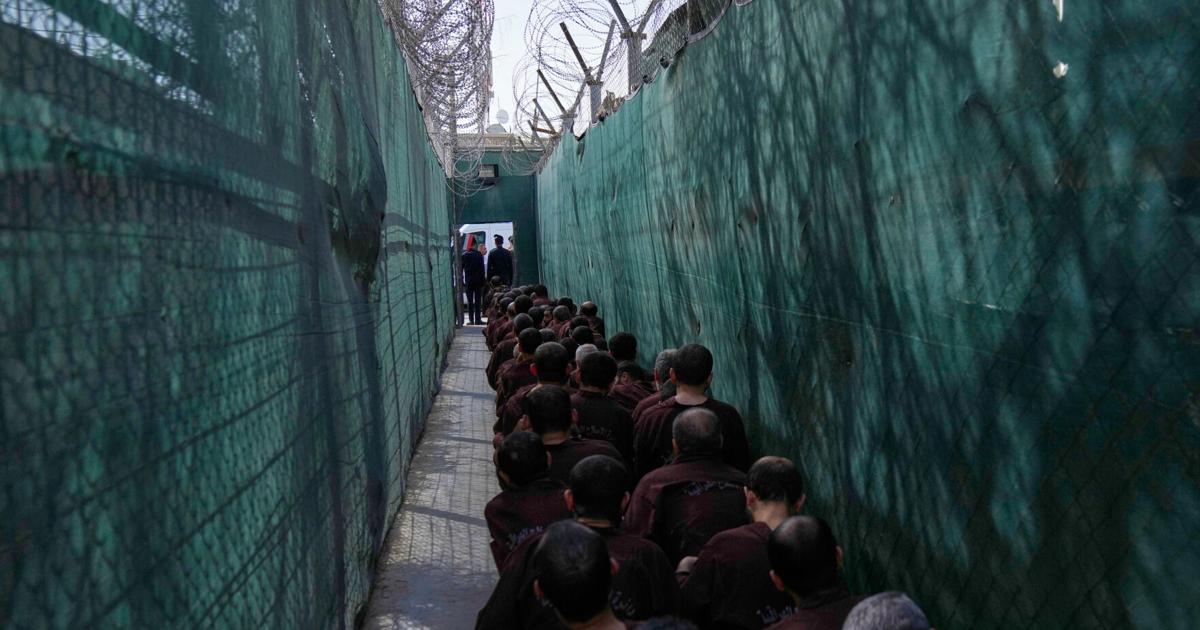
Iraq recently declined Syria’s plea to return thousands of alleged Islamic State fighters who had been moved from Syrian detention facilities to Iraqi control. This decision raises significant questions about regional security and cooperation in handling the remnants of the Islamic State.
Background of the Situation
The transfer of suspected Islamic State members from Syria to Iraq took place earlier in the year, amid growing concerns about the resurgence of extremist groups in the region. The ongoing conflict in Syria has led to complex dynamics, and both countries face challenges in managing the aftermath of the Islamic State’s territorial defeat. Iraq’s National Security Advisor, Qasim al-Aboudi, confirmed that the Iraqi government had firmly rejected Syria’s request for repatriation, emphasizing the need for a coherent approach to security and justice.
Implications for Regional Security
The refusal to repatriate these individuals could have significant implications for security within Iraq and Syria. With many of these suspects possibly possessing extensive knowledge of Islamic State operations, their continued detention could either serve as a preventable measure or risk causing unrest. The Iraqi authorities are concerned about potential retaliatory actions from groups sympathetic to the Islamic State, challenging the stability of the region further. This decision underscores the complexities involved in managing the fallout from territorial battles against the organization.
The Legal and Moral Dilemma
Legally, the handling of Islamic State suspects poses numerous challenges. Countries face critical debates about the legal status of these individuals, especially concerning international law and human rights. Iraq has demanded that these individuals should be dealt with through proper legal channels, highlighting the moral responsibility to ensure justice and prevent potential human rights violations. Furthermore, issues surrounding detainee treatment and rehabilitation strategies become even more paramount when dealing with individuals accused of terrorism.
The Need for Collaborative Solutions
Moving forward, this situation calls for collaborative efforts between Iraq and Syria, as well as support from the international community. Addressing the threat posed by remaining Islamic State elements requires more than just military solutions; it necessitates comprehensive strategies that include diplomatic engagement, intelligence sharing, and programs aimed at countering violent extremism. Both nations must explore avenues to work together to tackle their mutual challenges, as security in one country affects stability in the other, creating a ripple effect across the region.
In conclusion, Iraq’s recent stance against repatriating suspected Islamic State members reflects deep-rooted concerns about legal, moral, and security issues. The complexities surrounding this decision highlight the urgent need for effective collaboration to combat the remnants of extremism in the region. Moving forward, fostering cooperative approaches could yield better long-term solutions for both Iraq and Syria, ensuring a more stable and secure environment for their populations.