
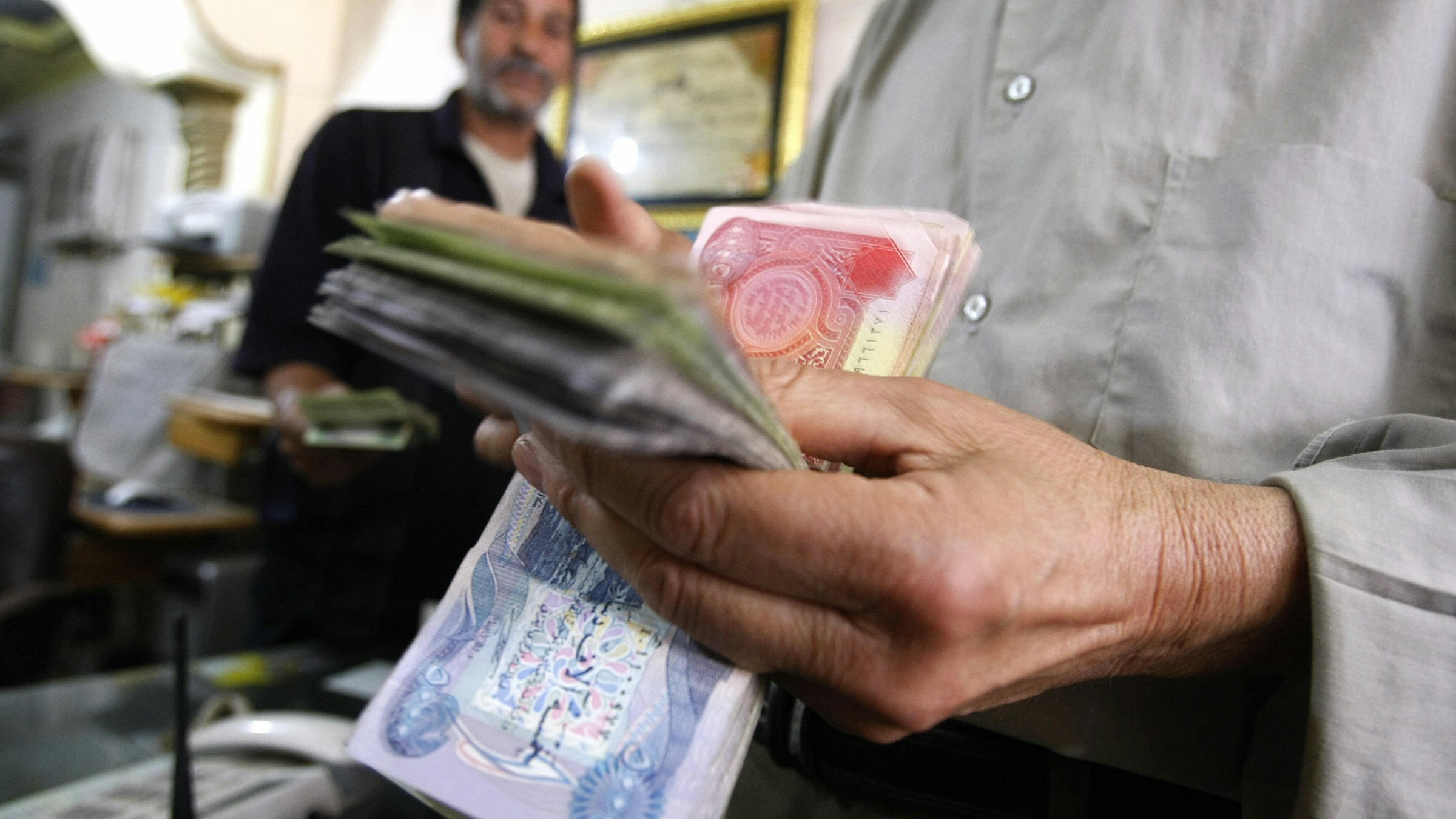
The recent sharp devaluation of the Iraqi dinar has ignited a heated public debate regarding the country’s financial stability and budget planning. On October 6, Iraq’s Council of Ministers sanctioned a significant 15% increase in the dollar exchange rate, which rose from 1,320 to 1,520 IQD. This decision was quickly met with opposition, leading parliament to suspend its agenda to engage in discussions about the potential repercussions of this change. Lawmakers are urging Prime Minister Ali Al-Zaidi to reconsider this shift before the upcoming 2027 budget deadline, set for submission to the legislature by October 15.
Implications of the Dinar’s Devaluation
The devaluation of the Iraqi dinar carries profound implications for the nation’s economy and its citizens. As the currency weakens, the purchasing power of everyday consumers diminishes, leading to higher prices for imported goods and essential services. This situation exacerbates the economic struggles faced by many Iraqis, especially in a nation that has been attempting to rebuild and stabilize after years of turmoil. Concerns arise that this devaluation could encourage inflation, leaving citizens grappling with increased living costs and potential unrest.
Political Pushback Against Monetary Policy Changes
The parliamentary suspension to debate the currency change indicates widespread discontent among lawmakers regarding the government’s fiscal strategies. Several members are advocating for a reversal of the increased dollar rate, arguing that the financial burdens on ordinary citizens are too great. This political pushback highlights the delicate balance of power and the tensions within the Iraqi government as policymakers navigate new economic landscapes. Prime Minister Ali Al-Zaidi faces mounting pressure to act swiftly in order to maintain public trust and support as discussions concerning the budget loom.
A Call for Financial Reforms
Amid this turmoil, there is a clear call for comprehensive financial reforms within Iraq’s fiscal structure. Stakeholders, including economic advisors and policymakers, have underscored the necessity for long-term strategies that can promote stability, reassure investors, and build a more resilient economy. The devaluation of the dinar has spotlighted the urgent need for structural adjustments that can enhance economic independence and lessen the reliance on international currencies. Without these reforms, the cycle of financial instability may continue, thwarting the progress that Iraq strives to achieve.
Anticipating the 2027 Budget Submission
As the October 15 deadline for the 2027 budget approaches, lawmakers and officials are racing against time to devise a plan that addresses the recent currency shifts. The budget will not only reflect financial forecasts but will also need to reassure the public and establish economic confidence. Policymakers must consider how fluctuations in currency affect revenue projections, spending priorities, and overall economic health. The outcome of these deliberations will have long-lasting consequences for governance in Iraq and will be critical in shaping the direction of the nation’s financial recovery efforts.
In summary, the sharp devaluation of the Iraqi dinar has unleashed a wave of political and economic challenges that require swift and thoughtful responses. Stakeholders must navigate the complexities of policy-making while addressing the immediate concerns of the population. The road ahead is fraught with obstacles, but addressing these issues head-on may chart a course toward greater financial stability and hope for the Iraqi populace.