
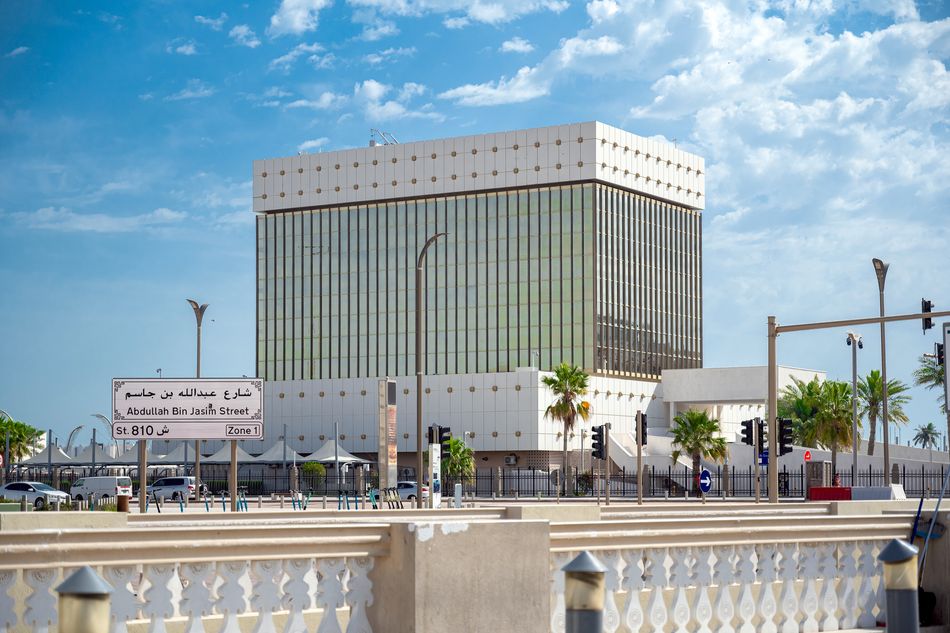
Qatar’s financial landscape is experiencing notable changes, specifically regarding its international reserves and foreign currency liquidity. Recent data from the Qatar Central Bank (QCB) reveals a measured increase in both sectors, reflecting the nation’s economic stability and growth potential.
Year-on-Year Growth in International Reserves
As of September, Qatar’s international reserves and foreign currency liquidity witnessed a modest year-on-year rise of 0.46%, reaching QAR 262.279 billion. In September 2025, the reserves were recorded at QAR 261.061 billion. This slight uptick indicates a positive trend in Qatar’s economic health, reinforcing the country’s ability to manage its financial obligations and enhance investor confidence.
Official reserves experienced a more substantial increase of 10.85%, climbing by QAR 21.888 billion to QAR 223.447 billion by the end of September 2026 compared to the same month last year. This indicates a robust accumulation of liquid assets, which is essential for the overall stability of Qatar’s economy.
Components of Official Reserves
The structure of Qatar’s official reserves is multifaceted, consisting of foreign bonds, treasury bills, cash balances held in foreign banks, and gold reserves. In addition, Special Drawing Rights (SDRs) and Qatar’s share in the International Monetary Fund (IMF) add to these financial assets. Collectively, these assets contribute to Qatar’s total international reserves and provide a cushion against economic uncertainties.
Moreover, QCB’s foreign bonds and treasury bills have seen a decline, falling by approximately QAR 44.599 billion to a total of QAR 88.280 billion. While this decrease might raise concerns, it should be viewed in the context of the overall positive trend in other reserve components, particularly gold and cash balances.
Gold Reserves and Bank Balances on the Rise
Gold reserves have also demonstrated a healthy increase, with a reported QAR 4.378 billion rise year-on-year, totaling QAR 56.408 billion as of the end of September. This growth in gold holdings reinforces the country’s strategy to diversify its reserves amidst fluctuating market conditions.
Additionally, balances held with foreign banks increased significantly by around QAR 62.153 billion, reaching QAR 73.554 billion. This rise suggests that Qatar is enhancing its liquidity position, which is vital for financial maneuverability and risk management in an ever-evolving global economic landscape.
In contrast, deposits associated with Qatar’s SDR allocation with the IMF decreased slightly, down by QAR 45 million year-on-year, totaling QAR 5.203 billion at the end of September. Despite this minor setback, the overall picture reflects a stable and growing financial environment in Qatar.
With these developments, Qatar is positioning itself to strengthen its economic resilience and foster continuous growth. As the nation navigates through its fiscal policies, the gradual increase in reserves marks a positive trajectory for both policymakers and investors alike.