Thomas Barrack, a prominent US diplomat, faces scrutiny for advocating a project that could potentially breach federal ethics regulations. This situation arises from his ties to an investment firm involved in the revitalization of an oil pipeline connecting Iraq and Syria. As the US presidential special envoy to both nations and a former ambassador to Turkey, Barrack’s past business relationships raise concerns about conflicts of interest, especially in light of ongoing geopolitical tensions in the region.
Background of the Pipeline Project
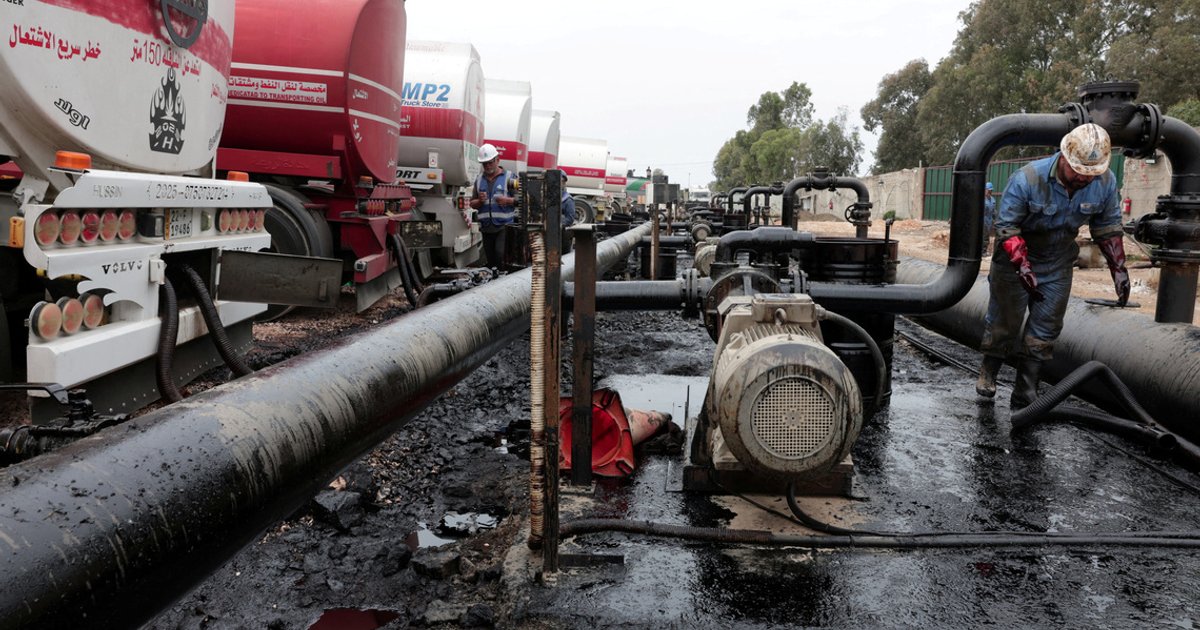
In July, Iraq and Syria established a consortium agreement with TI Capital, a California-based investment group, alongside Chevron and Qatar’s UCC Holding. The objective of this partnership is to conduct financial and technical studies for revamping the Kirkuk-Baniyas pipeline, a crucial route that circumvents the strategic Strait of Hormuz chokepoint. The pipeline historically facilitated the transport of Iraqi crude to Syria’s coast but has been dormant since the U.S. invasion of Iraq in 2003.
Barrack has a long-standing relationship with TI Capital and its CEO, Ziad Ghandour. During his confirmation hearings in 2025, he declared a significant financial interest in a real estate venture associated with the firm, indicating a potential entitlement to a substantial portion of profits. His involvement in discussions regarding the pipeline project has raised alarms, particularly in the context of recommendations he made during meetings with Iraqi and Syrian officials amidst escalating tensions in the region.
Ethical Considerations and Conflicts of Interest
Experts in ethics have voiced concerns about Barrack’s actions, highlighting the regulations designed to ensure government officials operate impartially. Richard Painter, a former chief White House ethics lawyer, noted that although Barrack may not financially benefit directly from the pipeline, his ongoing relationship with Ghandour presents a risk of perceived bias or conflict of interest. The ethical guidelines dictate that officials should abstain from participating in matters that could be seen as influenced by personal interests or connections.
When Barrack publicly lauded the memorandum of understanding signed between Iraq and TI Capital—while omitting mentions of Chevron and UCC—it sparked greater scrutiny regarding the implications of his involvement. Legal experts argue that even if these actions are not criminally indictable, they still prompt significant ethical questions, stressing the importance of public perception in maintaining trust in governmental roles.
Ambassador’s Disclosure and Responses
Despite the emerging concerns, Barrack’s office and the involved corporations have refrained from commenting extensively on the matter. Notably, documentation reveals that Barrack has not sought a conflict-of-interest waiver that would allow him to engage in discussions pertaining to TI Capital and its projects in Iraq and Syria. A waiver would enable an official to sidestep recusal under circumstances where their financial interests could impact decision-making.
The conversation about the Kirkuk-Baniyas pipeline intensified earlier this year, particularly after events in Iran restricted trade through Hormuz, causing fluctuations in oil prices. With estimates suggesting that reviving the pipeline might take four years and cost around $15 billion, the stakes are substantial. Barrack’s advocacy for TI Capital, positioned as a means to enhance U.S. interests in the region, raises pivotal questions about the interplay of diplomacy and business in high-stakes environments.
In summary, while Barrack continues to assert that his role aligns with U.S. policy objectives in the Middle East, the complexities of his financial interests in TI Capital underscore the ethical challenges that emerge in governmental capacities. As the situation develops, it remains crucial for officials to maintain transparency to uphold public trust.