
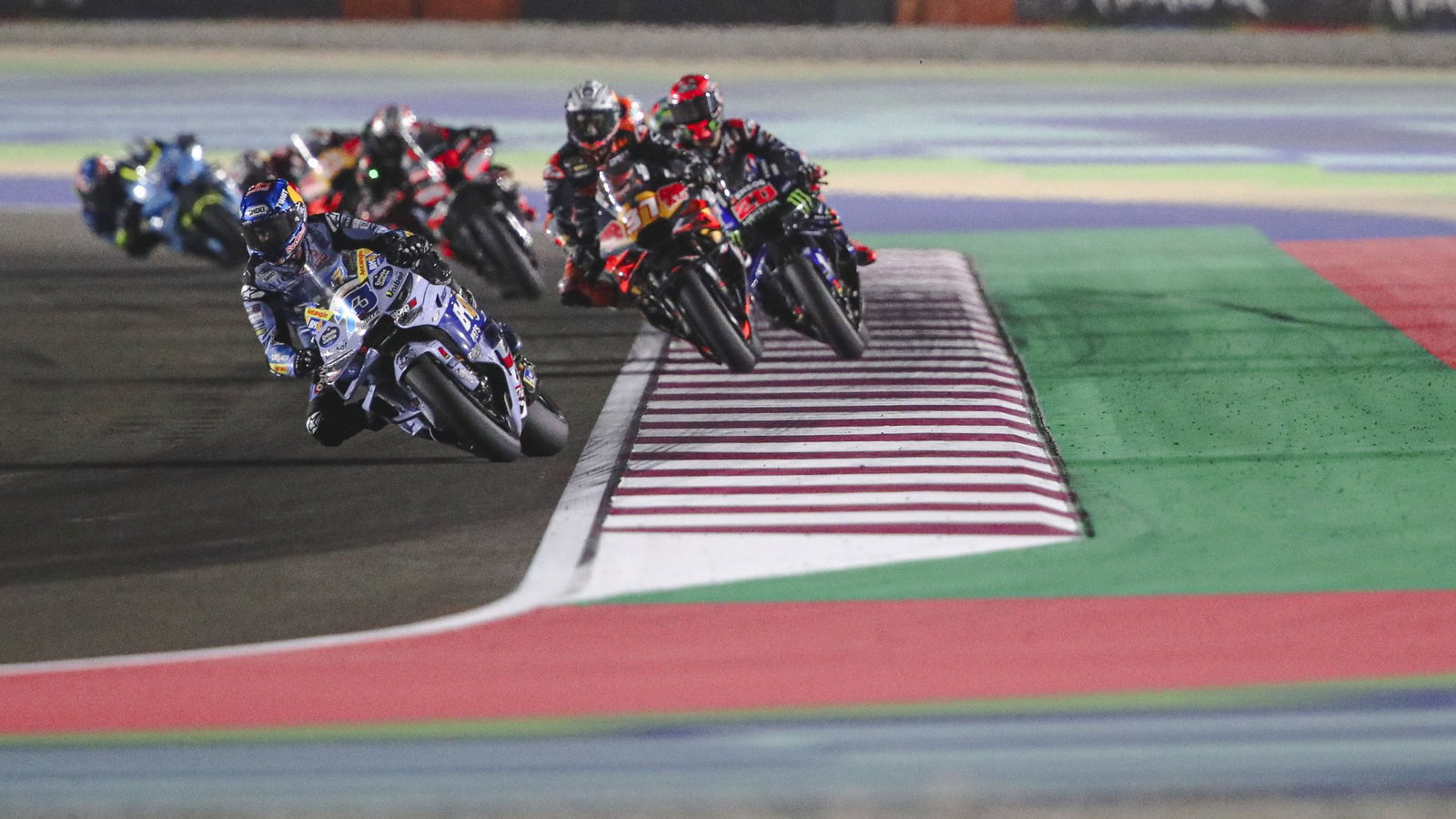
MotoGP is currently facing uncertainty due to escalating tensions in the Middle East as the Qatar Grand Prix approaches. The situation, marked by the ongoing conflict between the US and Iran, has prompted MotoGP to delay the race from April to November 6-8. Deputy CEO Carlos Ezpeleta emphasized that the organization is closely monitoring developments to ensure the safety of all involved.
The Current Geopolitical Climate and Its Impacts
In recent weeks, the conflict in the region has intensified, culminating in civilian casualties, including three deaths from a recent attack in Riyadh. Numerous governments are advising against travel to the Middle East, raising significant concerns for MotoGP as it prepares for the race in Qatar. Ezpeleta assured fans and teams that the championship’s top priority remains the safety and well-being of all participants.
While plans are still on track for the Qatar Grand Prix, Ezpeleta acknowledged that rapid adjustments could be necessary. He referenced a previous occurrence during the 2024 season when the finale had to be quickly relocated from Valencia to Barcelona due to severe flooding. The need for contingency plans is apparent, especially with ongoing geopolitical instability.
Timing and Pressure for a Decision
MotoGP shares a pressing timeline similar to Formula 1, where the race promoter must make decisive moves to avoid severe financial penalties. Recent comments from F1’s Stefano Domenicali have indicated confidence in continuing races in Qatar and Abu Dhabi, but MotoGP doesn’t have the same leeway to replace its event without significant penalties. At this point, if the Qatar GP cannot proceed, reports suggest there may not be a suitable replacement.
Dutch broadcaster Ziggo Sport expressed its discomfort regarding sending teams to Qatar under the current conditions, a sentiment echoed by other potential partners. Renowned rider Pecco Bagnaia also voiced concerns about safety, stating that while the Qatar race offers a unique experience with its night setting and superb atmosphere, health and safety should be prioritized above all else.
Potential Alternatives and Future Implications
As the Qatar GP is designed to be a part of a triple-header with upcoming races in Australia and Malaysia, discussions around alternative solutions are gaining traction. Although Sepang was initially considered for an additional event should Qatar be canceled, this seems increasingly unlikely. The adjustments that have already been made to other race dates angered numerous fans, emphasizing the complications for both organizers and attendees.
Moreover, the post-season testing, featuring the introduction of the 850cc bikes, is set for December 1, leaving minimal flexibility for added races. There is a possibility of slotting a replacement event into the November 13-15 timeframe, but coordinating a venue that facilitates easy transitions for teams is challenging. Notably, teams have shown a reluctance towards triple headers, which were ruled out last year.
The impact of potential race cancellations extends beyond logistics; the competitive landscape is affected as well. With only two points separating contenders Jorge Martin and Marc Marquez in the standings, a loss of racing opportunities could drastically alter the championship’s trajectory, reducing possible points by 37.
In summary, while MotoGP remains committed to holding the Qatar Grand Prix amid rising tensions in the region, the organization must navigate a precarious landscape of safety and scheduling concerns. As the race weekend approaches, the focus remains on ensuring a safe environment for all while considering the broader implications for the championship.