
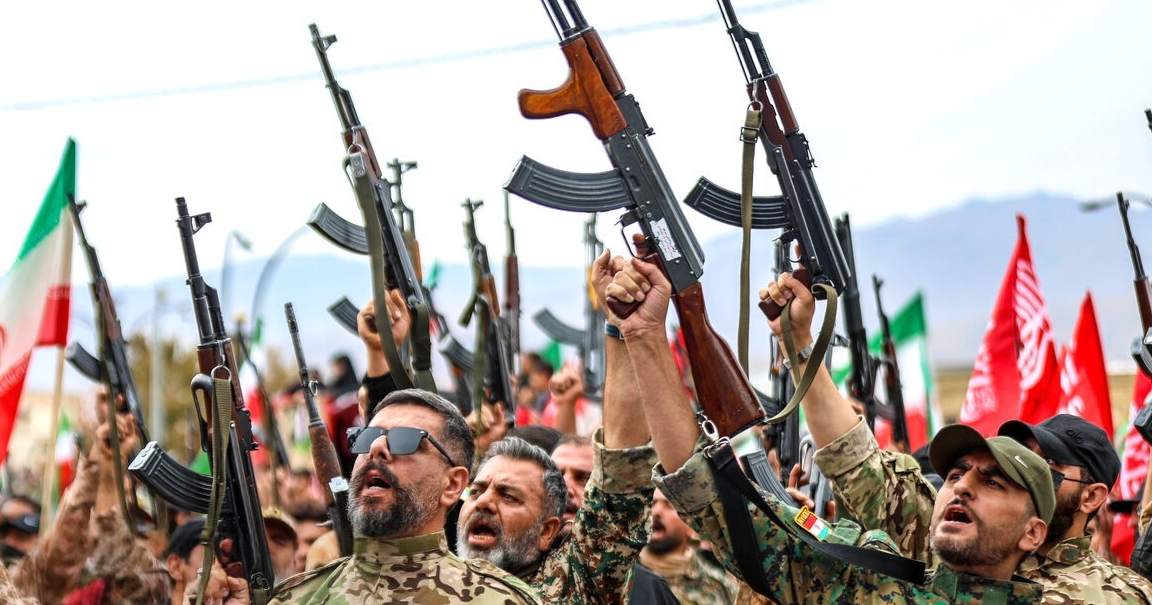
The recent trilateral defense pact between Saudi Arabia, Turkey, and Pakistan has raised eyebrows in the Middle East, particularly after its operational phase commenced on October 5. This development comes in response to heightened Houthi missile and drone attacks targeting Saudi infrastructure. In this context, both Turkey and Pakistan have declared their support for Saudi Arabia, indicating a collective effort to bolster military readiness in the region.
The Nature of the Trilateral Pact
The defense agreement, signed in August during a summit in Mecca, states that any aggression against one of the three countries will be regarded as an attack on all. Pakistani and Turkish forces are anticipated to provide military, technical, and intelligence assistance to Saudi Arabia. However, it’s important to note that these forces will not engage in offensive operations within Yemen. This pact is seen as a strategic move to counteract regional threats, particularly from the Houthi militants.
The Iranian Foreign Ministry has responded critically to the pact, with spokesman Esmail Baghaei expressing concerns about the potential deployment of large numbers of Pakistani troops to Saudi Arabia. He cautioned that any foreign intervention in Yemen could lead to unintended consequences throughout the region. Baghaei emphasized the need for nations to focus on mutual support rather than forming alliances that might harm the interests of the broader Muslim community.
Criticism from Iran
Iranian lawmakers have expressed skepticism regarding the effectiveness of the trilateral pact. Many view it as mere political posturing devoid of tangible security benefits for Saudi Arabia. Ahmad Bakhshayesh, a member of Iran’s National Security and Foreign Policy Commission, dismissed the agreement as a “paper and political pact,” while Ebrahim Rezaei urged Saudi Arabia to reconsider its foreign policy, pointing out that reliance on external alliances has historically failed to bring stability.
Critics contend that Turkey and Pakistan’s involvement in the Yemeni conflict will not weaken the Houthi movement, which is also known as Ansarullah. Alaeddin Boroujerdi, another member of Iran’s National Security and Foreign Policy Committee, warned that the engagement of these countries in Saudi Arabia’s conflict will ultimately backfire. He remarked that Saudi Arabia had once seen coalition support but has remained entangled in a costly and unproductive war in Yemen for seven years.
Iran’s Perspective on Regional Dynamics
Iran’s criticism has primarily focused on Pakistan, which is perceived as shifting away from its mediatory role between Tehran and Washington. Lawmaker Ahmad Naderi stated that Pakistan’s military backing of Saudi Arabia undermines its position as a neutral party. Media outlets in Iran have echoed this sentiment, framing the potential deployment of Pakistani forces as a direct threat to Iranian security, with warnings that it could exacerbate sectarian tensions and instability in the region.
Iranian state media have also ramped up their rhetoric against the pact, framing it as an alliance aimed at oppressing the Yemeni populace. They caution that military involvement by Turkey and Pakistan could lead to dire consequences for their interests, suggesting that aggressive intervention could invite retaliation against their assets and territories.
Conclusion: The Path Ahead
As this trilateral pact unfolds, it underscores the growing complexities of Middle Eastern geopolitics. The involvement of Turkey and Pakistan in Saudi Arabia’s military endeavors could potentially reshape the landscape of regional relationships and alliances. Irrespective of the pact’s intent, it appears to have deepened existing rifts and raised questions about the future of cooperation in the region, along with its broader implications for peace and stability. Iran, watching closely, will likely continue to challenge the motives behind this partnership while advocating for mutual respect and dialogue among nations.