
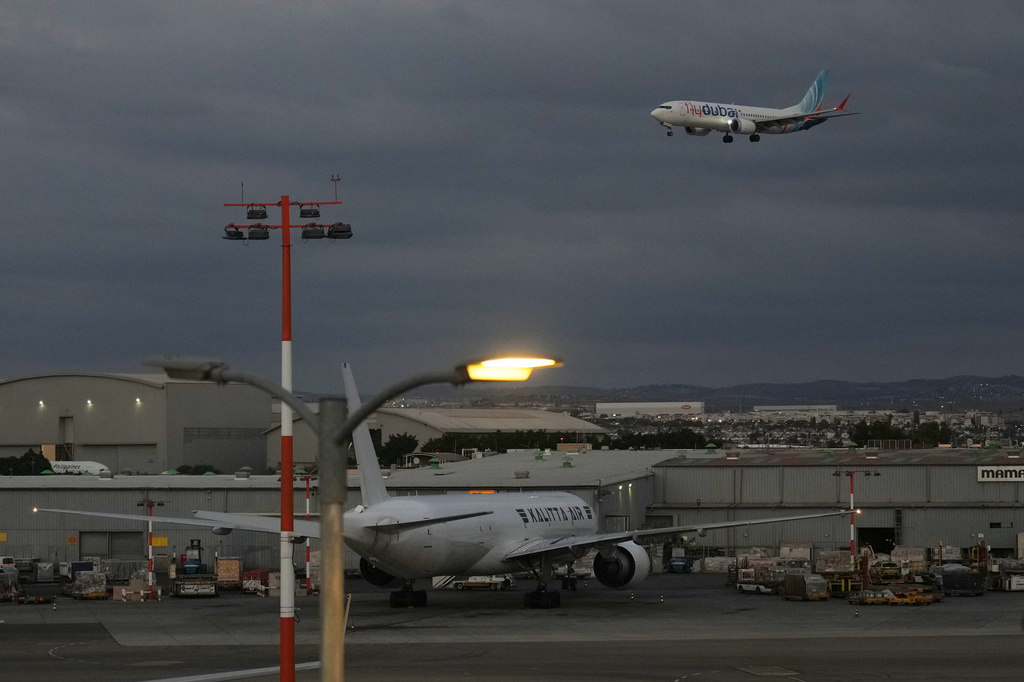
A recent incident involving a FlyDubai flight to Tel Aviv has raised significant concerns about aviation safety and security. The aircraft was the scene of a violent attack by the co-pilot, who attempted to hijack the plane while en route, leading to an emergency landing in Saudi Arabia. This shocking event has prompted investigations into the motives and planning behind the attack.
Details of the Attack
The co-pilot, identified as 29-year-old Hamam al-Hammami from Oman, allegedly assaulted the captain with an axe, intending to take control of the aircraft and direct it toward Israel’s main airport. According to the UAE’s top prosecutor, Hammami’s actions were premeditated, aiming to inflict maximum casualties among the 174 passengers onboard, most of whom were Israeli nationals. The attack has drawn parallels to the September 11, 2001 attacks, highlighting a worrying trend of aviation-related terrorism.
Background and Radicalization
Investigations revealed that Hammami had conducted extensive research on the flight path from Dubai to Tel Aviv prior to the attack, allegedly using two previous flights to familiarize himself with the airport and surroundings. Authorities stated that security checks did not reveal any extremist beliefs or intentions to commit an attack, highlighting a potential gap in existing aviation security measures. According to reports, Hammami’s ideology may have been influenced by experiences at a mosque in Australia during his studies at the Royal Melbourne Institute of Technology in 2017, raising concerns about how radicalization can spread internationally.
Emergency Response and Aftermath
The attack began in the cockpit when Hammami assaulted Captain Smit Machchhar. Despite his injuries, the captain managed to alert the passengers and crew about the unfolding crisis. Passengers quickly intervened, detaining Hammami and helping stabilize the plane, which had rapidly lost altitude—plummeting from about 16,000 feet after the co-pilot’s attack. Following this, two reserve pilots on board took control and safely landed the aircraft at Tabuk Airport in Saudi Arabia, averting what could have been a catastrophic situation.
Ongoing Investigations and Policy Implications
This disturbing event has drawn international attention, prompting the UAE authorities to take charge of the investigation. They have released statements detailing Hammami’s confession and planning process, marking this incident as one of the most significant aviation security breaches in recent history. The implications of this event could lead to a re-evaluation of global aviation security protocols and the measures taken to prevent future incidents involving radicals with access to commercial flights.
In light of the shocking nature of this attack, it is imperative to enhance security measures across airlines worldwide while fostering global collaboration to tackle the issue of radicalization effectively. As investigations continue, both the aviation industry and the public are left to grapple with the realities of security in an increasingly vulnerable world.