
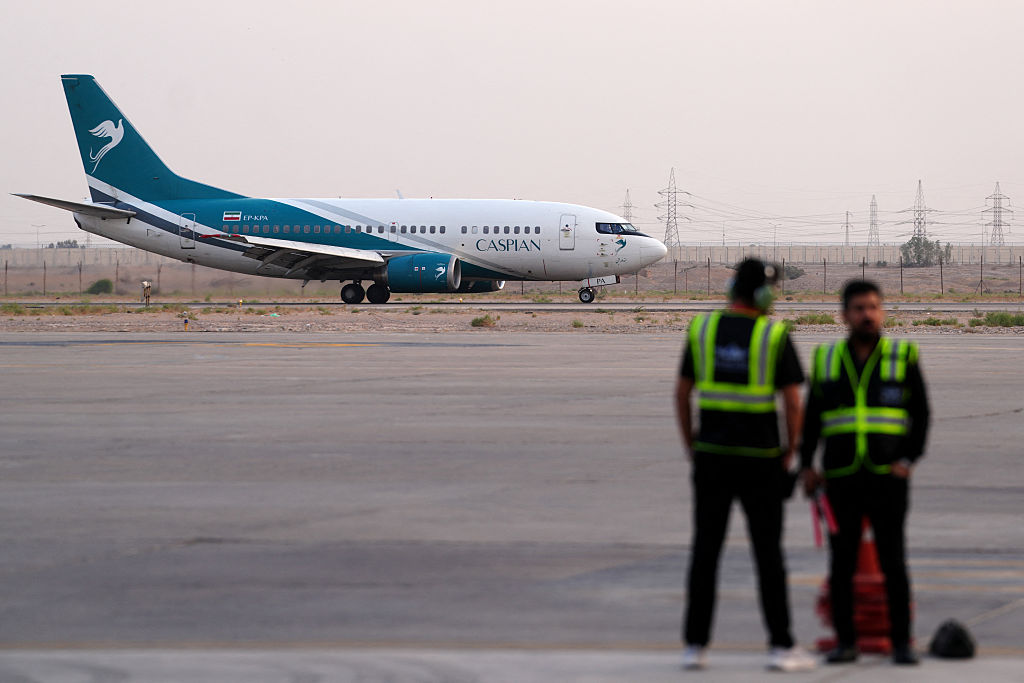
Operation Economic Outcast has significantly impacted Iranian aviation, leading major regional airports to halt flights operated by Iranian airlines. Nations like the United Arab Emirates and Oman have chosen to withdraw these services to avoid the risk of U.S. sanctions, underscoring the operation’s influence on global aviation networks.
Understanding Operation Economic Outcast
Operation Economic Outcast represents a strategic initiative aimed at curbing Iran’s influence and activities deemed destabilizing by the United States. This operation has broader implications, impacting not only Iran but also countries that maintain ties with Iranian airlines. The suspension of flights reflects a growing concern among countries in the region regarding potential repercussions from the U.S. government.
The operation has escalated scrutiny on Iranian carriers, compelling these nations to reassess their aviation agreements to mitigate the risk of secondary sanctions. The U.S. has long used its international influence to impose sanctions, and Operation Economic Outcast is a recent tactic to reinforce its stance against Iran’s policies. By targeting the aviation sector, the operation hampers Iran’s ability to conduct business and facilitates a broader economic downturn.
Regional Responses and Flight Suspensions
The halting of flights by Iranian airlines in the UAE and Oman illustrates a considerable shift in regional aviation dynamics. These countries have traditionally maintained robust connections with Iran, but recent developments have motivated them to prioritize their economic relationships with the U.S. Over time, the increasing pressure from the U.S. government will inevitable influence other nations as well, creating a ripple effect across the air travel industry.
Air travel has become a pivotal aspect of global commerce, and disruptions in one region can have a cascading impact on international trade and tourism. The flight suspensions will pose challenges for travelers, business transactions, and cultural exchanges that depend on efficient air travel connections. As these carriers are grounded, it will lead to fewer options for passengers, longer travel times, and, potentially, increased airfares as demand shifts.
The Future of Iranian Aviation and International Relations
Looking ahead, Iranian aviation faces an uncertain future. The implications of Operation Economic Outcast extend beyond immediate flight suspensions. Iran must navigate a complicated landscape, seeking ways to sustain its aviation sector while contending with economic restrictions. As airlines struggle to find alternative routes and partnerships, they may introduce creative solutions to remain operational.
Additionally, the international community’s response will play a crucial role in shaping the future of Iranian aviation. Some nations may choose to take a more defiant stance, continuing relationships with Iran despite the risks involved. However, the fear of U.S. penalties will likely weigh heavily on decisions made by airlines and governments around the world.
Operation Economic Outcast serves as a potent reminder of the intricate ties between aviation, international diplomacy, and global economics. As nations grapple with the consequences of these policies, the landscape of aviation in the Middle East is poised for further transformation. The unfolding situation will be crucial to watch, as it may redefine trade relations and air travel for years to come.