
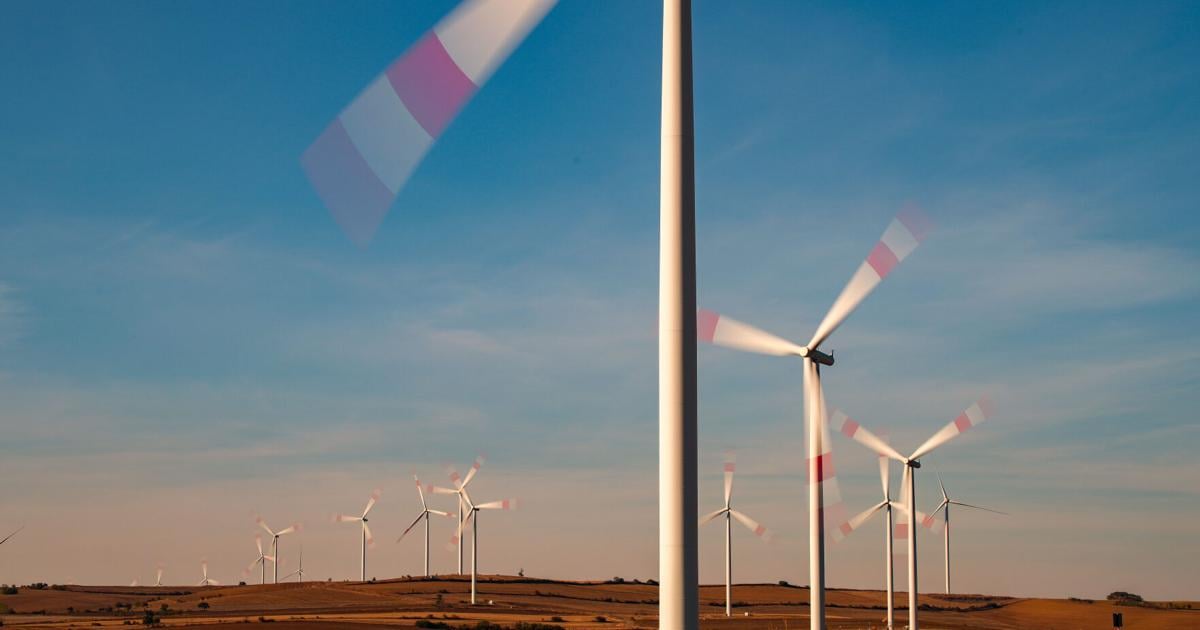
Wind energy has emerged as a key player in the global push for renewable energy sources, generating excitement and innovation within the sector. With countries around the world striving to reduce their carbon footprints, wind farms like those found in Balabanli, near Tekirdag in northwestern Turkey, demonstrate the promise of this sustainable energy alternative. On October 9, 2026, these turbines were active, exemplifying not just technological advancement but also a potential path for energy independence and environmental preservation.
The Rise of Wind Energy in Turkey
Turkey has increasingly embraced renewable energy, with wind power becoming a focal point of its energy strategy. The region of Tekirdag, known for its favorable wind conditions, has seen a surge in wind turbine installations. This shift towards wind energy is part of Turkey’s broader commitment to diversifying its energy sources and reducing reliance on fossil fuels. As the nation invests in infrastructure and technology, the result is a thriving industry that contributes to both energy production and job creation.
Environmental Benefits of Wind Power
Transitioning to wind energy offers significant environmental advantages. Unlike traditional fossil fuels, wind turbines produce electricity without emitting greenhouse gases. This transition not only helps combat climate change but also reduces air pollution, leading to healthier communities. The installation of wind farms has the potential to protect ecosystems by limiting the environmental impact typically associated with fossil fuel extraction and combustion. As countries like Turkey continue to expand their wind energy capabilities, they contribute to a cleaner, more sustainable future.
Economic Opportunities and Challenges
The growth of the wind energy sector presents numerous economic opportunities. As more wind farms are established, local economies can benefit from new jobs in manufacturing, installation, and maintenance. These employment opportunities can help stimulate economic growth in rural areas where wind farms are often located. However, the transition is not without its challenges. Issues such as land use conflicts, initial investment costs, and the need for ongoing technological advancements must be carefully navigated to ensure the sustainable development of wind energy.
The Future of Wind Energy
Looking ahead, the future of wind energy appears promising. Technological innovations continue to enhance the efficiency and output of wind turbines, making them even more viable as a primary energy source. Moreover, as global policies increasingly prioritize renewable energy, countries around the world may replicate Turkey’s model, leading to a more interconnected and robust energy landscape. Investment in wind power infrastructure not only offers immediate returns but also sets the stage for long-term energy sustainability.
In summary, wind energy is on the rise, offering the potential for a greener future. As nations like Turkey invest in wind farms and the technology behind them, they contribute to a sustainable energy landscape that addresses both environmental and economic challenges. The ongoing development will be crucial in shaping how we generate and consume energy in the coming decades.