The ongoing conflict between the U.S. and Iran has taken center stage as election season approaches, with both sides insisting that the political calendar plays no role in their strategies. As the November 3 election draws near, the war’s impact on inflation and gas prices has led to discontent among Americans, which could affect the outcome. With economic sanctions crippling Iran’s economy and a naval blockade on its oil shipments, both President Trump and Iranian leaders are focused on their respective positions in this drawn-out confrontation.
Trump’s Mixed Signals and Military Maneuvers
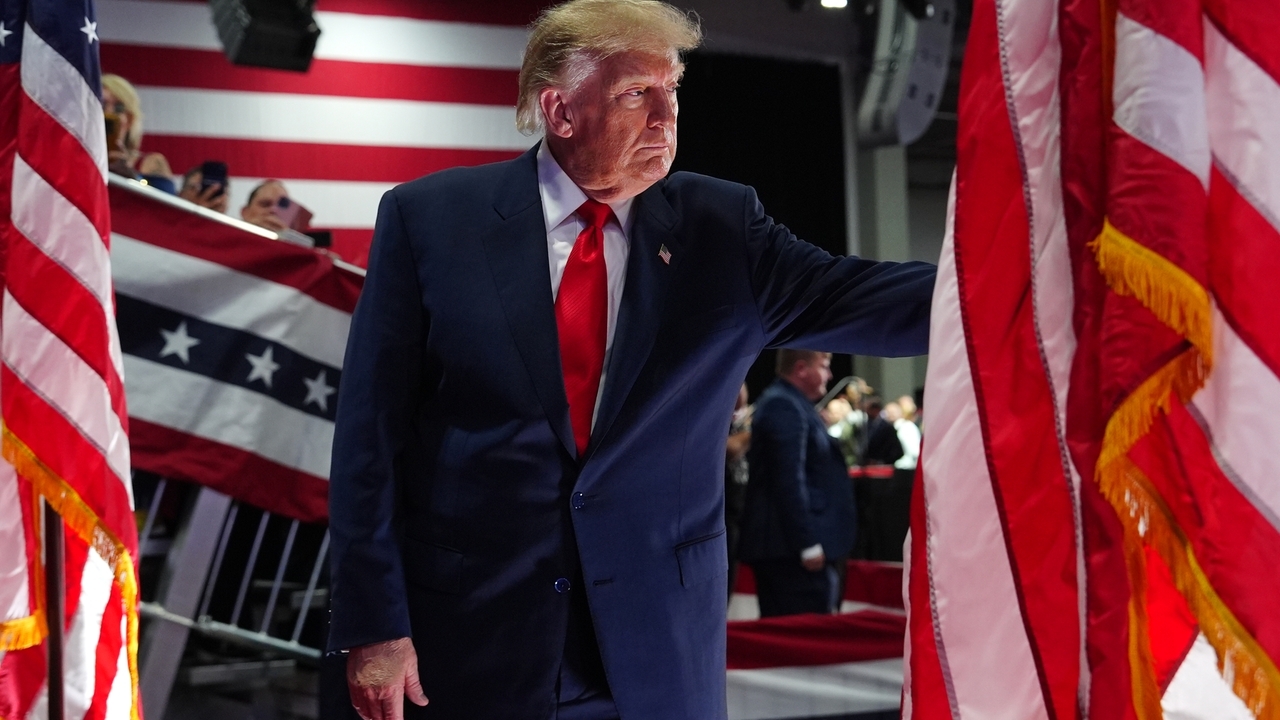
President Trump has displayed inconsistency in his approach toward Iran throughout the conflict. Despite an increase in military resources in the region and threats of renewed strikes, he maintains that the U.S. will not engage in military action before the election. Recently, during a campaign rally, Trump stated that he is winning the war and warned Iran to comply with U.S. demands or face severe consequences. He articulated a stark ultimatum: either Iran surrenders unconditionally or risks its existence. This tough rhetoric underscores his evolving war goals, moving from demands for absolute capitulation to a focus on economic sanctions and regional stability.
Despite these pressures, Iran has demonstrated remarkable resilience. The country’s military might has significantly diminished, yet its leaders remain steadfast in their refusal to negotiate under current conditions. Sasan Karimi, a former Iranian official, noted that the Iranian leadership views Trump as an unreliable negotiating party. The longstanding tension between the two nations continues to dictate Iran’s strategy, unconcerned by the implications of the U.S. election cycle.
Republicans React to Growing Unrest
The increasing public disapproval of the war poses a challenge for Republican candidates who find themselves navigating a difficult narrative. Recent polls indicate that a significant majority of Americans believe the war isn’t worth the cost, with only a fraction approving of Trump’s handling of the situation. This discontent has led some Republicans in competitive races to publicly separate themselves from Trump’s stance on the conflict. Figures like Mike Rogers have called for a swift end to U.S. involvement, reflecting a broader apprehension among candidates concerned about their electoral prospects.
Experts suggest that distancing from Trump at this late stage is a formidable challenge for Republicans. Christopher Borick, from Lehigh University, emphasized that shifting the narrative away from Trump’s policies is a daunting task as Election Day looms. The public’s growing frustration over economic issues linked to the war may further complicate the GOP’s messaging strategy.
Negotiations Appear Stalled
Negotiations between the U.S. and Iran have reached a stalemate as both sides grapple with conflicting priorities. While Iranian leaders have expressed willingness to engage if certain U.S. conditions are met—specifically concerning sanctions—Trump has indicated skepticism about any potential agreements. Iranian President Masoud Pezeshkian has openly critiqued the negotiations, suggesting a lack of trust in Trump’s commitment to any deal. They argue that for any constructive dialogue to proceed, the U.S. must first lift the blockade restricting Iranian oil exports.
Moreover, as tensions simmer, many Iranian officials predict a return to full-scale conflict may be inevitable. Analysts have indicated that indirect talks, while seemingly productive, may lead to renewed hostilities if underlying issues remain unresolved. With Iran’s military capabilities compromised, their leadership is betting on enduring the pressure while potentially expanding retaliatory capabilities.
Regional Dynamics and Future Outlook
The situation remains fluid, particularly with the ongoing military operations involving Saudi Arabia and the Iranian-backed Houthis in Yemen. Trump’s claims of increased oil transport safety through the Strait of Hormuz contrast with rising Iranian attacks on tanker ships, complicating operational conditions in the region. Shipping companies are reportedly charging exorbitant rates to navigate through the area, as risks continue to rise.
Despite significant economic challenges, Iran appears resolute in its strategy, believing it can weather the storm imposed by U.S. sanctions and military pressure. Both Iranian and Trump administration officials have a vested interest in maintaining a tough exterior as they prepare for the long term. Tehran’s leadership is keenly aware that the results of the U.S. midterm elections are unlikely to alter the fundamental dynamics of their relationship, as both parties are committed to confronting Iran, albeit through different methodologies.