
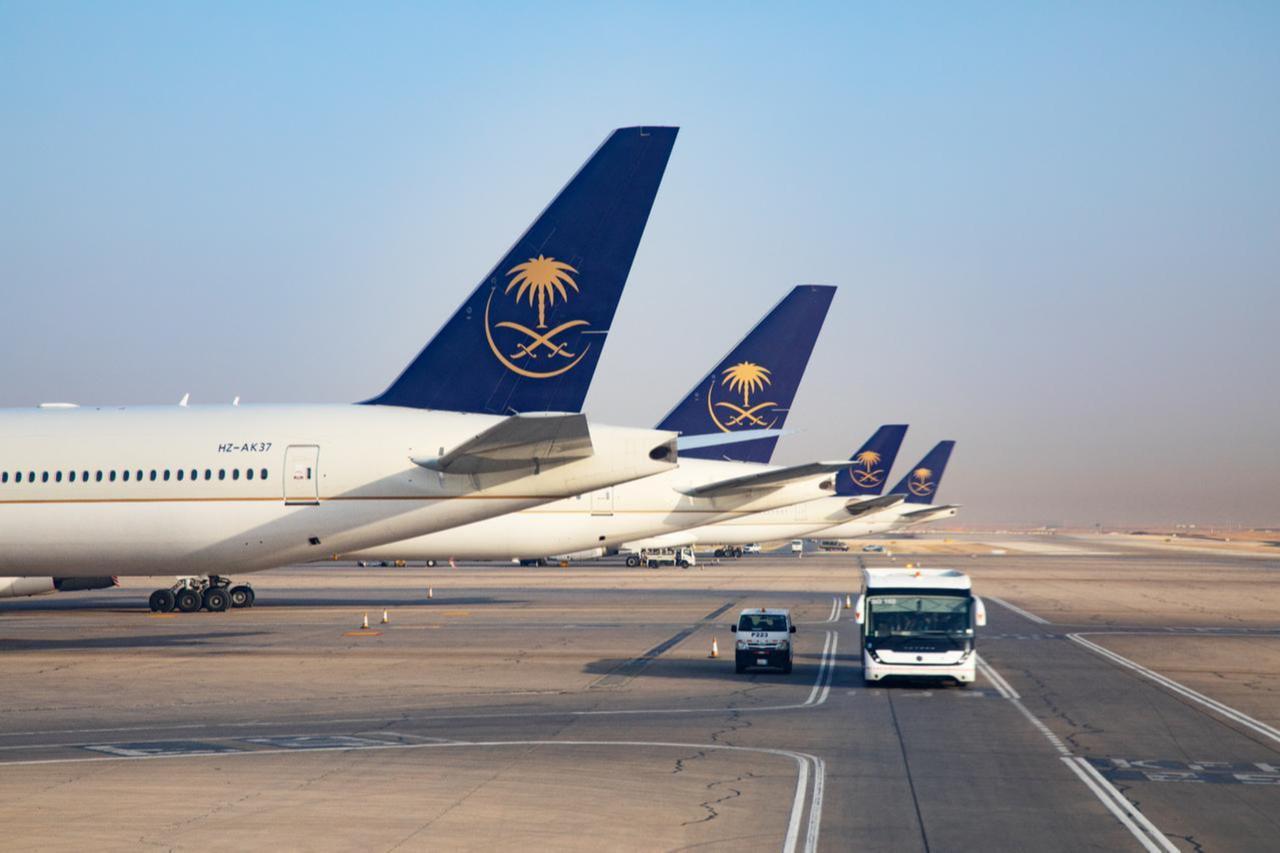
The recent missile attack on King Khalid International Airport in Riyadh has escalated tensions in the region, resulting in significant casualties and prompting international responses. With 12 people confirmed dead and over 300 injured, this incident marks a major escalation in the ongoing conflict involving Houthi rebels from Yemen. This attack follows a series of aggressive actions in the area and raises urgent questions about security and military responses from affected nations.
Details of the Attack
According to the General Authority of Civil Aviation (GACA) in Saudi Arabia, the missile struck the airport passenger terminal during a particularly crowded time. Among the deceased, four were Saudi nationals and eight were foreign residents, including individuals from Bangladesh, the United States, Egypt, Jordan, Syria, Palestine, and Sudan. Survivors have reported horrific scenes at the airport, with medical personnel working tirelessly to treat the numerous injuries sustained during the chaos. Reports indicate that some victims remain in critical condition, causing distress to families and friends awaiting news.
Eyewitness accounts describe the terrifying moment the blast occurred, leading to immediate panic and evacuation. Passengers heard the explosion while waiting to board, resulting in a swift response from emergency services. More than a dozen ambulances rushed to the scene, and casualties were observed throughout the terminal. Flight operations were halted as authorities assessed the situation, diverting incoming flights and suspending services for the safety of travelers.
Continuing Threats and Regional Concerns
The attack on Saturday was the third targeting King Khalid International Airport within just a week, coinciding with a major military offensive by a Saudi-led coalition against the Iran-aligned Houthi movement in Yemen. Just days earlier, multiple strikes resulted in civilian casualties and damage to aircraft at the airport, prompting concerns from airlines and travelers alike. The Houthis have claimed responsibility for these assaults, asserting that their operations are defensive measures in response to ongoing attacks from the Saudi coalition.
The group has declared Saudi airspace a military zone, advising international flights to steer clear, a statement that raises significant alarm about the safety of commercial aviation in the region. These escalating hostilities come as international stakeholders grapple with how to manage the unfolding situation and protect civilians caught in the crossfire.
International Reactions and Security Measures
Following this latest attack, foreign governments have issued warnings to their citizens. The United States Mission in Saudi Arabia strongly advised American nationals to stay away from King Khalid International Airport and its surroundings. Similarly, Canada’s embassy issued alerts, emphasizing the ongoing military activities in the region. The mounting tensions have spurred discussions in U.S. political circles regarding a possible military response, with President Trump indicating that the U.S. may consider joining Saudi military operations against the Houthi rebels.
As organizers of upcoming conferences in Riyadh continue preparations, they are reassuring participants about security arrangements, emphasizing the city’s resilience amidst turmoil. These events are essential for economic stability, and local authorities are determined to maintain security for both residents and international attendees.
As the situation develops, the international community watches closely, weighing the implications of increased military engagement in the region. With lives lost and many injured, the urgency of a peaceful resolution becomes ever more pressing, underscoring the need for diplomatic dialogue alongside military strategies.