
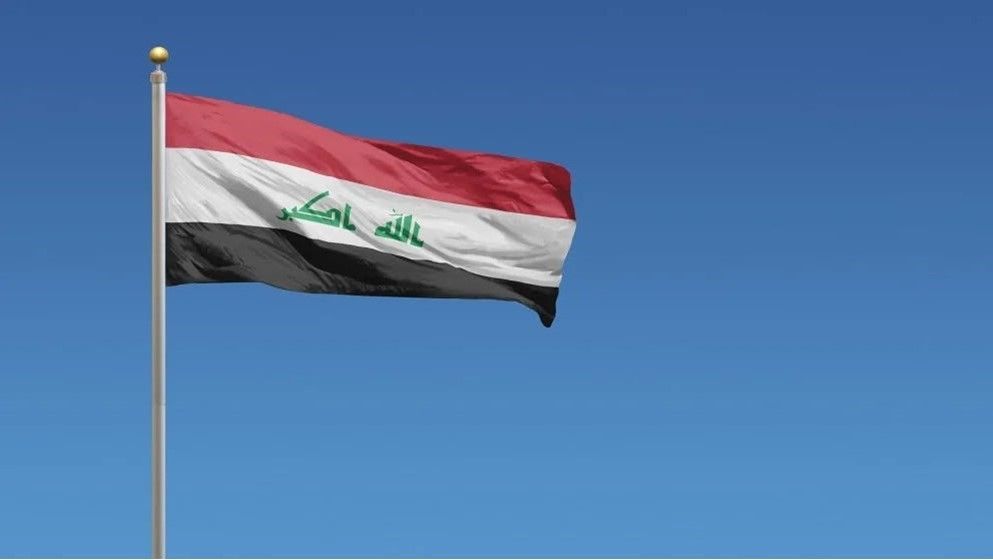
Iraq is grappling with significant economic challenges as it faces financial losses estimated at approximately $60 billion since the onset of the recent conflict in the Middle East. This downturn has primarily stemmed from a sharp decline in oil revenues, which Iraqi Foreign Minister Fuad Hussein addressed during a meeting in Rome with his Italian counterpart.
Economic Impact of the Conflict
The war’s outbreak in February has exacerbated Iraq’s existing economic crisis, resulting in a steep reduction of oil exports, the backbone of the nation’s economy, which contributes around 90% of public revenue. With oil production previously averaging four million barrels per day and exports nearing 3.5 million barrels, the impact of the ongoing conflict has forced the Iraqi government to explore domestic borrowing strategies. This economic strain has also led to a rise in consumer prices and a decline in foreign currency reserves, which have diminished by approximately $20 billion.
Disruptions in Oil Supply Chains
The Strait of Hormuz, a crucial maritime route for global oil supplies, has witnessed heightened tensions since the onset of hostilities. Iran’s limitations on shipping activities through this vital channel have hampered Iraq’s oil production, forcing many wells to halt operations as storage capacities reached their limits. To counter this, Iraq has had to resort to alternative export methods, limited to tanker trucks via Syria and pipelines through Turkey, to maintain some level of crude trade.
Recently, there has been a tentative recovery, with shipments rising to around 2.6 million barrels per day between September 1 and September 21, according to Iraq’s Oil Ministry. Nevertheless, the situation remains fraught with uncertainty, as global markets and local economies are continually affected by the ongoing instability in the region.
Central Bank Response and Future Prospects
In light of the worsening economic landscape, the Central Bank of Iraq implemented its first official dollar exchange rate increase in over three years last week. This move reflects the bank’s attempts to stabilize the dinar and strengthen foreign currency reserves while mitigating the burden on public finances. With approximately 20% of Iraq’s population relying on public-sector salaries, the need for a stable economic environment has become paramount.
Looking ahead, Iraq is focused on diversifying its economy. The government aims to increase non-oil revenue from a mere 10% to 45% by the year 2037. This ambitious goal underscores a broader strategy to reduce dependence on oil exports, foster economic growth, and enhance the resilience of the national economy. The journey undoubtedly faces challenges, but the commitment to reform and diversification could offer a glimmer of hope amid these tumultuous times.
As Iraq navigates through these complex economic dynamics, the government’s ability to adapt and implement strategic policies will be critical in laying the groundwork for a robust and sustainable economic future.