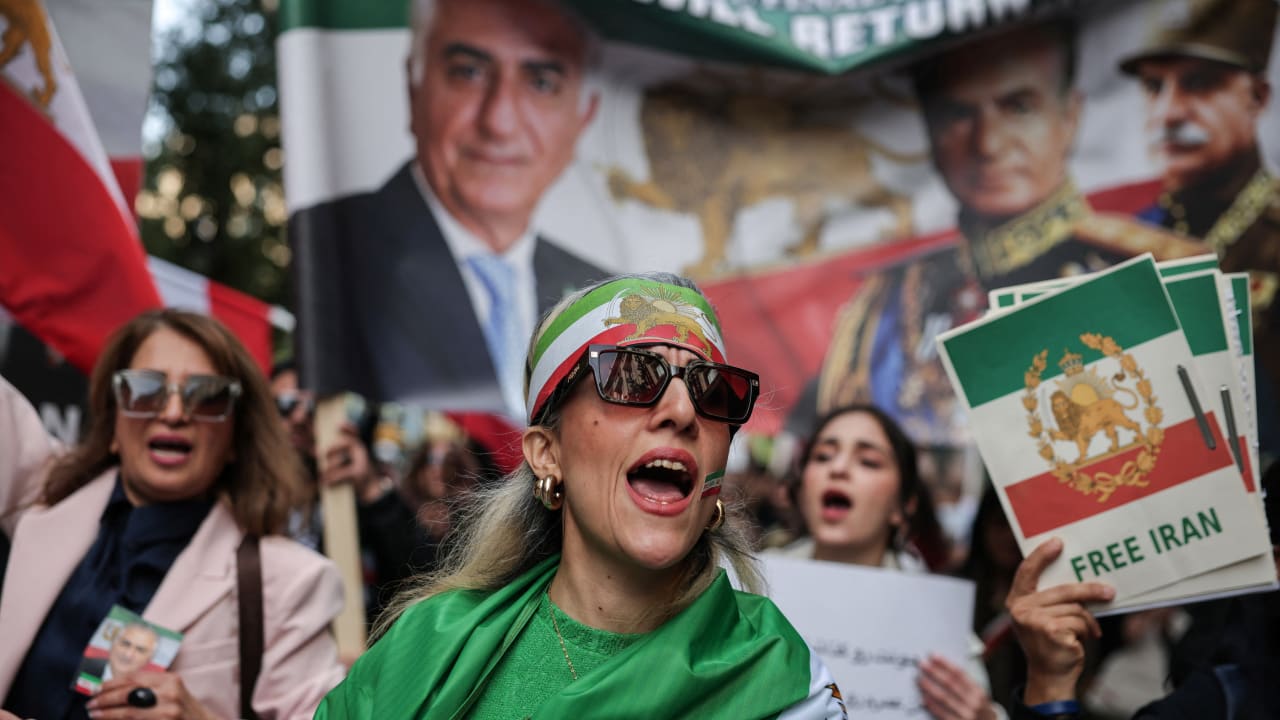
The recent discourse surrounding Iranian geopolitics has sparked significant debate. Some assert that engaging with transnational separatist groups can create strategic advantages. However, this approach risks alienating the broad majority of the Iranian populace, a concern I articulated in my latest piece. The feedback my article received epitomizes how emotions often overshadow rational discourse in geopolitical conversations.
The Dangers of Misinterpretation
Critics of my argument have exhibited a fundamental misunderstanding of Iran’s historical complexities. Focusing on emotional responses rather than the substantial demographic and geopolitical realities only serves to reinforce the validity of my points. The insistence on detaching historical contexts from current events is not merely a naive oversight; it is perilous for both Israeli and Western interests. A misinterpretation of Iranian society, particularly at this critical juncture, could lead to significant strategic errors.
Understanding Iranian National Identity
One common distortion in this debate is the attempt to equate the aspirations of transnational separatists with the sentiments of the average Iranian citizen. My article sought to clearly differentiate the two, stating that while certain factions may harbor separatist ambitions, the overwhelming majority are firmly integrated into the national identity. For instance, the demographics of regions like Kermanshah, which boasts a rich history of Kurdish nationalism, reveal that a substantial segment of the population aligns with Iranian nationalism rather than separatist agendas.
Moreover, the historical narrative has often been manipulated to paint a bleak picture of Iranian unity. Historical events, such as the Paveh incidents in 1979, showcase local resistance to armed incursions by separatists. This demonstrates that the Iranian populace has frequently taken a stand in favor of national integrity.
The Misuse of Historical Trauma
Critics often exploit shared suffering in regions like Kermanshah, positioning it as unique to their case. This narrative minimizes the broader atrocities committed by the Iranian regime across all demographics and regions. Targeting the Islamic Republic’s alarming human rights record should unify opposition against it, rather than use it as a means to validate militant activities. This universal affliction complicates the portrayal of specific grievances, revealing a far more complex socio-political landscape.
Moreover, critics tend to conveniently ignore the historical ties between separatist movements and anti-Israel sentiments. Figures like Abdullah Ocalan, leader of the Kurdistan Workers’ Party (PKK), have left a legacy that is adverse to Western interests. Such omissions only highlight an intellectual inconsistency that undermines their credibility.
Moving Forward with Strategic Prudence
In closing, the anger directed at my thesis only further illustrates the complexities at play. The core of my argument remains: prioritizing short-lived alliances with transnational factions jeopardizes the broader and historically rooted relationship between Iran and the global community. For the West and Israel, understanding and nurturing the longstanding ties with the Iranian majority, who are deeply rooted in national sovereignty and identity, is essential.
Focusing our strategic efforts on building a future democratic Iran characterized by national unity and individual liberties will undoubtedly yield more fruitful outcomes than aligning with factional interests. Ultimately, the goal should be to foster a stable, cooperative environment that respects Iran’s historical context and aspirations—rather than succumbing to the allure of fringe politics.