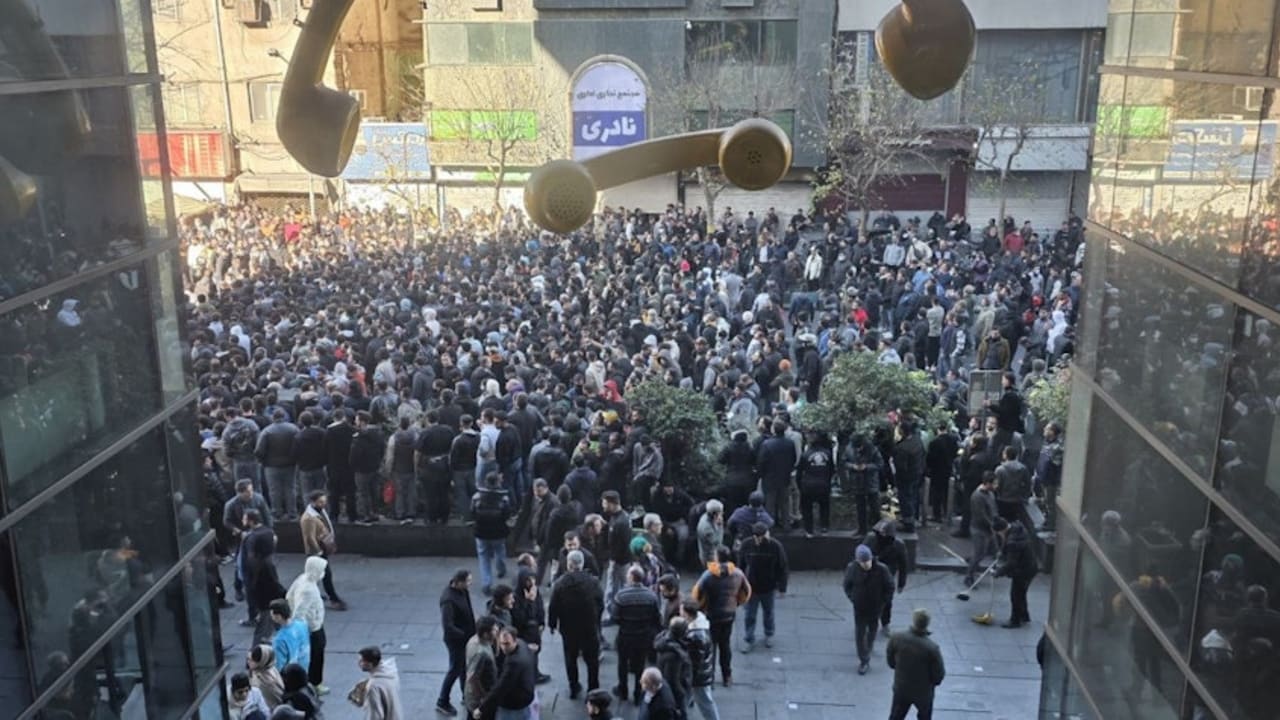
Iran stands at a perilous crossroads, with its 90 million citizens witnessing their nation descend into despair. The ruling regime seems willing to bring about Iran’s own devastation before yielding its hold on power. As decades of mismanagement culminate in economic upheaval, political oppression, and the looming possibility of conflict, the pressing question looms: will the Islamic Republic that has dominated Iran since 1979 continue to hold sway, or will it finally face its reckoning?
The Current Crisis in Iran
The country is engulfed in turmoil, with its economy on the brink of collapse. Under the leadership of an ineffective government spearheaded by a populist president, emergency meetings proliferate, yet meaningful solutions remain elusive. The citizens of Iran have grown increasingly skeptical of the regime’s empty promises, witnessing soaring inflation and economic volatility firsthand. The government’s authority has all but eroded, leaving many wondering when, or if, a significant change will occur.
Iranians find themselves in a desperate situation, as only those loyal to the regime benefit from the current state of affairs. A small elite has ravaged the nation’s resources while ordinary citizens struggle to make ends meet. The relentless rise in poverty and inflation has pushed naive hopes of recovery further out of reach. As discontent grates against the fabric of society, a collective anger appears to simmer beneath the surface.
A Threatening Political Landscape
In a climate already fraught with insecurity, the regime appears willing to instigate a broader conflict rather than consider diplomacy. Since 1979, the Islamic Republic has operated under a facade of strength while continuing to threaten and antagonize other nations, particularly the United States and Israel. The rhetoric from government officials regarding the supposed defeat of foreign adversaries rings hollow to the citizens suffering from daily injustice and economic hardship.
This aggression is matched by appealing to fervent nationalism. State-backed propaganda stokes fears of American and Israeli interference, suggesting that the regime actively prepares for confrontation, instead of resolution. The risks posed to ordinary Iranians are immeasurable. As military and social unrest escalate, the serious possibility of civil strife arises, creating an even bleaker outlook for the future of the nation.
The Hope for Change
Despite the oppressive regime’s attempts to stifle dissent through violent means, a current of unrest buzzes beneath the surface, showcasing the resilience of the Iranian populace. Ordinary people yearn for a society where they can live freely without fear. Generations upon generations have witnessed their ambitions crushed under the weight of tyranny, and many are urging change. The desire for a revival of Iran’s dignity and prosperity propels the aspiration for a resurgence amidst chaos.
Amidst this backdrop of desperation, citizens openly envision an end to the existing regime. A collective hope emerges, one that calls for the liberation of Iran from the clutches of its rulers. With each day, the urgency of their pleas intensifies; they demand a chance to reclaim their homeland and restore it to its former glory. A nation that has suffered for so long now stands poised, eager to embrace a brighter future.
In conclusion, Iran stands at a pivotal moment in history. The choice between the continuation of a regime bolstered by deception and a populace longing for fundamental change remains agonizingly delicate. The world watches as this ancient civilization calls out for new beginnings and reconciliation, with a spirit resilient enough to challenge the forces that have held it captive for far too long.